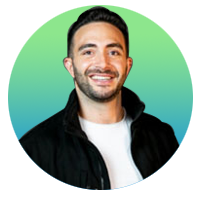


From ₱4,000 to Digital Nomad: A Filipino VA's Journey From Zero
In 2018, Jam Blauta had ₱4,000 in his ATM, a stack of loans, and no roadmap. No mentor, no step-by-step course, no viral "how to be a VA" videos — remote work hadn't even gone mainstream in the Philippines yet. Fast forward to today and he's a digital nomad, a talent sourcer who connects Filipino VAs with global clients, and the founder of a community that has helped thousands of aspiring freelancers land their first client online.
In this episode of From Kayod to Keyboard, Jam gets real about what it actually takes to start from zero: how he stacked multiple income streams to survive the pandemic, why he stopped being a "generalist" and niched down into something harder to replace, and the unfiltered truth about the digital nomad lifestyle that Instagram never shows you.
Whether you're staring at your own version of "four thousand pesos and loans," stuck wondering if remote work is really for you, or you're already a VA looking to level up into a specialist role — Jam's story is proof that you don't need perfect conditions to start. You just have to start scared.
🎧 Listen to the Full Episode
Want to hear the complete conversation? Listen to Episode 14 on your favorite platform:
📋 What You'll Learn in This Episode
- Who Is Jam Blauta? From Restaurant Consultant to Remote Work
- The Pandemic Pivot: Building Multiple Income Streams
- Why TikTok Changed Everything: Authenticity Over Aesthetics
- From Generalist to Specialist: Finding His Craft in Talent Sourcing
- The Real Truth About Digital Nomad Life
- Your Health Is Your Business: The Self-Care Wake-Up Call
- Questions & Answers From the Episode
- Key Takeaways
Who Is Jam Blauta? From Restaurant Consultant to Remote Work
Before he was a digital nomad, Jam was an HRM graduate working as a restaurant trainer and consultant. He started freelancing back in 2018 — but not online. His world was the food-and-beverage industry, hopping between restaurant clients and helping them run better operations.
Then 2020 happened. When the pandemic hit, the restaurant industry didn't just slow down — it disappeared. Overnight, every one of Jam's clients was gone. And as the breadwinner of his family, he didn't have the luxury of waiting things out.
"The bills never stop," he recalls thinking. "I need to hustle. I need income. I need to learn how to work from home." A friend introduced him to online jobs, and that was the doorway into digital freelancing.
Learning the Hard Way — Before the Playbook Existed
Here's the part that will make newer VAs grateful for what they have now: when Jam started, there were no short-form tutorials, no one-minute TikToks breaking down how to price yourself or where to apply. The only resources were long blog posts — the step-by-step "step 1, step 2, step 3" kind — and hour-long YouTube videos that were really just repurposed webinars.
"I didn't have the time to watch a one-hour webinar," he says, "so I stuck with reading blogs." He applied. He failed. He read more. And eventually, he landed two clients right away as a social media manager (SMM). That was the beginning of everything.
The Pandemic Pivot: Building Multiple Income Streams
If there's one phrase that defines Jam's early survival strategy, it's multiple sources of income. He didn't bet everything on one gig. He stacked them.
While building his VA work, he was also live streaming on platforms with monthly quotas, doing brand deals from his content, running mukbang live streams as branded partnerships, and even dabbling in online selling. He tried being a financial advisor (it didn't stick — he couldn't hit the quota). The point wasn't that every stream worked. The point was that if one dried up, another one covered it.
"In freelancing, if you do nothing, your income does nothing either. It's a daily battle — you have to build a system so that no matter how many clients are in your pipeline, you can still deliver quality output, on time, in full." — Jam Blauta, From Kayod to Keyboard
The honest reality? In the beginning, it wasn't glamorous money. As Jam puts it, it was often "enough for your groceries for one week. You're alive." But being alive, working from home, and stacking small wins was exactly what kept him in the game long enough to level up.
The Income Lesson Most Beginners Learn Too Late
Jam is refreshingly blunt about one trap: don't rush into online selling or e-commerce before you have a buffer. "You'll burn through money," he warns. "Wait until you have savings, wait until you have extra budget." When you're building income, your job is to protect the little you have — not gamble it on every shiny opportunity.
He also names a truth every new freelancer needs to hear: promised hours are not guaranteed hours. Early on, Jam was told he'd get 30 to 40 hours a week combined across clients — but the actual hours he received were far less, leaving his income stagnant. That gap is exactly why his multiple-streams approach wasn't optional. It was the safety net.
🎯 Take Action Now:
- Build your buffer first: Before investing in inventory or "side hustles" that cost money upfront, save up a small cushion so a slow week doesn't sink you.
- Never rely on one client: Treat every client as temporary. Always keep your pipeline warm so a sudden loss doesn't wipe out your income.
- Track your real hours: Don't assume promised hours will show up. Know your actual weekly income so you can fill the gaps intentionally.
Why TikTok Changed Everything: Authenticity Over Aesthetics
Funny enough, Jam almost never touched TikTok. In its early days he wrote it off as "all dancing" — the Dubsmash era, mostly kids. "This is not for me," he thought.
But boredom during the pandemic changed that. He'd gotten into home workouts to stay sane, and one day he casually recorded himself and posted it. It went viral. That was his first taste of real online recognition, back in 2020.
Later, he created a second account — this time dedicated entirely to VA education. TikTok had launched an educational campaign, and Jam leaned all the way in, making the step-by-step guides and interview-question breakdowns he wished had existed when he was struggling. Both accounts took off, and brands started noticing him.
The Secret Ingredient: Relatability
So what actually made his content work? Jam's answer is simple: relatability and authenticity.
"That's what made TikTok beautiful," he explains. "You don't need to look polished." Unlike a heavily curated Instagram feed, TikTok rewarded the real version of a person — someone filming in their house clothes, being honest, being human. For a whole generation of aspiring Filipino VAs, that authenticity was the difference between content that felt like an ad and content that felt like a friend showing you the way.
"TikTok popularized the idea of — who are you really? Who's the real you? You don't need to look polished. That was my home; I was always in house clothes." — Jam Blauta, From Kayod to Keyboard
From Generalist to Specialist: Finding His Craft in Talent Sourcing
Being a generalist SMM was exhausting — and Jam admits it openly. In the early days there was no Canva; he was designing graphics in PowerPoint. And even then, he realized graphics and captions simply weren't his strength. One of his long-time clients told him so directly (in the kindest, most honest way a friend could).
Instead of forcing himself to be great at everything, Jam paid attention to what actually energized him: talking to people and building community. He started experimenting with community building for his clients, and it clicked. But community building, he learned, is a real commitment — not just a numbers game.
"Community building is a commitment. They should feel you — not just when you're pulling them in, but when they're already inside. The moment they don't feel you, your community becomes just a number." — Jam Blauta, From Kayod to Keyboard
How One Introduction Led to a New Career
Jam's leap into talent sourcing didn't come from a job board. It came from a community. He joined a paid creator program, introduced himself in the group chat — "I'm a community builder, a content creator, and I have a community of virtual assistants I teach" — and an agency founder reached out about a potential partnership. That conversation eventually brought Jam onto an internal team as a talent sourcer.
Why did it fit so perfectly? Because the audience the agency needed was already his audience: Filipino VAs. His community wasn't just a passion project anymore — it was the exact talent pool global clients were hungry for. As Jam describes it: "This is my world — talent sourcing."
To be clear about the role, sourcing is one part of recruitment. When a client enters the pipeline, Jam collects the job description, creates the posting, applies marketing strategies to attract the right people, and fills the pool with top Filipino talent. For hard-to-fill roles, that means going beyond posting — doing manual, "sniper-style" outreach to find exactly the right person.
Generalist VA vs. Specialist: Why Niching Down Paid Off
| Factor | Generalist SMM (early days) | Specialist / Talent Sourcer (now) |
|---|---|---|
| Energy | Draining — doing tasks he wasn't good at | Energizing — built on a genuine strength |
| Workload | Endless: graphics, captions, scheduling, clips | Focused on one craft he's excellent at |
| Value to clients | Easily replaceable | Harder to replace, tied to a unique audience |
| Positioning | "I can do a bit of everything" | "This is my specialty and I can help you with it" |
Real Talk From the Sourcing Side
Because Jam has also sorted applications and run interviews, he's seen the small mistakes that quietly cost aspiring VAs opportunities: sending a résumé with no subject line, ignoring instructions, or even reacting rudely to a rejection. His biggest heartbreak, though, is watching talented people undersell themselves.
"So many people open with 'no experience, but willing to learn,'" he says. "Girl — I feel like you do have experience. Look at yourself. Start skill-banking, then learn how to position yourself as an expert." His advice: stop giving people a reason to ignore you before they've even read your first sentence.
🎯 Take Action Now — Position Yourself as a Specialist:
- Skill-bank first: List every real skill you already have — even from non-remote jobs. That's your raw material.
- Pick your strength: Choose the one thing you're genuinely good at and build your pitch around it.
- Reframe your intro: Instead of "no experience, willing to learn," try: "I may not have remote-work experience yet, but this is my specialty and here's how I can help you."
The Real Truth About Digital Nomad Life
Type "digital nomad" into Instagram and you'll see laptops on the beach, iced coffee, and dreamy café shots. Jam has lived the reality — and he's honest that it looks a little different than the highlight reel.
"I tried working on the beach," he laughs. "What ends up happening is I chat and eat more than I work." For someone who gets distracted easily, exotic locations are a productivity minefield. The truth most nomads won't post: it's usually more work than exploring, and you're there because of your work — so work stays the priority.
Time Blocking Is the Whole Game
Jam's fix is discipline through structure. During a 30-day stay in Siargao, he set strict rules for himself: Monday and Tuesday, nobody talks to him — he stays in his room and knocks out 50% of the week's work. Wednesday is a half day. Then from Friday to Sunday, he explores, parties, and takes the island tour. Non-negotiable.
That's the trade-off nomads make: you can absolutely see the world, but only if you protect focused work blocks first. (And a bonus tip from experience — Jam once cut a trip short to beat an incoming typhoon, and dodged being stranded. Always listen to the warnings.)
The Instagram Myth vs. The Reality
| The Instagram Version | The Actual Reality |
|---|---|
| Working carefree on the beach all day | Beaches are distracting; real work happens in focused blocks |
| Pure freedom, explore whenever | Work is still the priority — you explore around it |
| Cheap, breezy lifestyle | It's expensive, especially solo — you need separate travel funds |
| Anyone can do it | Only flexible schedules truly work; office-hours roles can't |
| Nothing ever goes wrong | Real risks: getting sick abroad, language barriers, being far from help |
His practical advice for anyone dreaming of the nomad life: start with places that are safe, walkable, and have a strong Filipino community — Singapore is a favorite of his — so that if something goes wrong, help is close by. Budget smart, too: once your flight and accommodation are paid, your daily challenge is simply feeding yourself, so look for a place with a kitchen and a nearby market.
🎯 Take Action Now — Before You Go Nomad:
- Separate your travel fund: Keep travel money in its own bucket so it never eats into your essentials.
- Test time blocking at home: Prove you can protect focused work blocks before you add the distraction of a new city.
- Choose safety first: For your first trips, pick destinations that are safe and have a Filipino community nearby.
Your Health Is Your Business: The Self-Care Wake-Up Call
The most vulnerable part of the conversation had nothing to do with clients or income. It was about health — and it's one of the most important things any freelancer can hear.
Jam's core message is one he repeats often: as a service provider, you are the product. If the product breaks down, so does the business. For a breadwinner, that's not just personal — it's everyone who depends on you.
"As a service provider, you are the product. If you don't take care of the product, it can break — and if it breaks, your business is gone." — Jam Blauta, From Kayod to Keyboard
He shared openly that a long stretch of neglecting his health took a real toll — not just physically, but mentally. He lost confidence, pulled back from creating content, and isolated himself. What turned it around was treating his wellbeing as seriously as his career: seeking professional support, working with his doctor on a structured, sustainable plan, and rebuilding daily routines he can maintain on his own for the long run.
The framework he leans on is simple and holistic — sleep, hydration, nutrition, and physical activity all working together, not just one quick fix. His schedule now maps out his days by time, because a repeatable routine is what makes healthy habits stick. The bigger takeaway for remote workers: burnout and self-neglect are occupational hazards, and protecting your mental and physical health is protecting your income.
A Special Note for Breadwinners
Jam has hard-won wisdom for anyone supporting a family. "You can only give what you have," he says. "You can't give what you don't have." His encouragement to fellow breadwinners is to fill their own cup first, to leave room in the budget for their own leisure — not just daily needs — and, where possible, to teach the people they support to build their own income too.
"Fill your cup first. As a breadwinner, you're not required to give every month — you give when you can. You can only give what you have." — Jam Blauta, From Kayod to Keyboard
💬 Questions & Answers From the Episode
Q: How much did you actually earn from your first SMM jobs?
A: Early on, the money wasn't life-changing — often just enough for a week's groceries. Promised hours (30–40 a week across clients) didn't always materialize, which is exactly why Jam stacked multiple income streams to stay stable while he was starting out.
Q: What made your TikTok content go viral?
A: Relatability and authenticity. Jam didn't try to look polished — he filmed honestly, often in his house clothes, and made the practical, step-by-step VA content he wished had existed when he was struggling.
Q: What's the digital nomad reality people don't post about?
A: It's more work than exploring, it's easy to get distracted, and it's expensive — especially solo. Time blocking is essential, work stays the priority, and you should choose safe destinations with a Filipino community nearby.
Q: How do I transition from a generalist role to a specific niche?
A: Don't overthink it — you are the niche. Start "skill-banking," identify the strength you already have, and position yourself around it instead of leading with what you lack.
Q: What's your advice for VAs who are scared to start?
A: Do it scared. Nothing changes if you don't move — and if you wait for the fear to disappear first, you'll still be stuck years from now.
🔑 Key Takeaways:
- You are the niche: Position yourself on the strengths you already have instead of opening with "no experience."
- Stack your income: Multiple streams create stability when freelance work is unpredictable — never rely on a single client.
- Niche down to level up: Finding the one craft you're great at beats staying a burned-out generalist doing everything poorly.
- The nomad life is more work than beach: Time blocking, a separate travel fund, and safe destinations are what make it sustainable.
- You are the product: Protecting your mental and physical health is protecting your income — fill your cup first.
Ready to Start Your VA Journey?
From Kayod to Keyboard brings you real stories, insider tips, and actionable strategies from Filipino VAs who've made it. Subscribe to never miss an episode!
Subscribe to the Podcast📻 More Episodes You'll Love:
Jam's story is one of many. From Kayod to Keyboard features real journeys from Filipino VAs, specialists, and agency builders — covering how to land your first client, how to niche down, and how to grow a sustainable remote career. Browse the full library and find the episode that meets you where you are: