
Data Analyst Virtual Assistant: Hire Filipino Data Analysts at Up to 80% Less
Your business is generating data. Sales data, marketing metrics, customer behavior patterns, operational KPIs, Google Analytics reports, CRM pipeline statistics. But that data isn't driving decisions — because the analysis never gets done. Your team doesn't have the bandwidth, a local data analyst costs $80,000+ a year, and freelance projects produce one-off reports that don't connect to anything.
A dedicated data analyst virtual assistant solves this directly. Filipino data analysts combine genuine technical depth — Python, SQL, Tableau, Power BI, Google Analytics, Excel automation — with the analytical thinking that turns raw data into decisions your business can actually act on. At up to 80% less than hiring locally, a VA Masters data analyst VA becomes your embedded intelligence layer: continuously monitoring, analyzing, visualizing, and reporting on the metrics that drive your business.
This guide covers what a data analyst VA actually handles, which tools and skills to verify, how business intelligence VAs differ from data entry support, and how VA Masters recruits and skills-tests Filipino data analysts through a 6-stage process — with a real data analysis task in the skills test, not just a resume claim.
What Does a Data Analyst Virtual Assistant Do?
A data analyst VA is a dedicated remote professional who transforms your raw data into organized reports, interactive dashboards, actionable insights, and the recurring analysis your team needs to make decisions without guesswork. The range of what they handle is broader than most business owners expect:
Data Collection and Consolidation
Pulling data from disparate sources — CRM systems, ad platforms, e-commerce backends, Google Analytics, payment processors, spreadsheets, and databases — and consolidating it into unified, clean datasets. This is the foundational work that makes every subsequent analysis possible, and it's typically the most time-consuming part of any data project. A VA owns it fully.
Data Cleaning and Preparation
Raw data is almost never ready for analysis. Removing duplicates, handling missing values, standardizing formats across data sources, correcting data type errors, and applying consistent naming conventions. Data professionals spend up to 80% of their time on preparation tasks — a data analyst VA absorbs this burden so your team can focus on using insights rather than producing them.
Dashboard Creation and Maintenance
Building interactive dashboards in Tableau, Power BI, Looker Studio (Google Data Studio), or Excel that give you a real-time view of the metrics that matter. The VA doesn't just build the dashboard once — they maintain it: updating data connections, adding new metrics as your business evolves, and ensuring the dashboards reflect current business reality. One of the most consistent complaints we hear from business owners is having dashboards that were built but never maintained. A dedicated VA solves this permanently.
Recurring Reporting
Building and delivering standardized weekly, monthly, and quarterly reports for management, investors, and key stakeholders. Sales performance reports, marketing channel attribution, customer acquisition and retention metrics, operational efficiency KPIs, and financial performance summaries. The VA owns the reporting cadence — building the reports, delivering them on schedule, and highlighting the figures that require attention.
Ad Hoc Analysis and Insight Generation
When you need to understand why a specific metric moved, which customer segment is most profitable, what the conversion rate looks like at each funnel stage, or how this month's performance compares to last year — your data analyst VA runs the analysis. They don't just produce numbers; they contextualize them: identifying the pattern, explaining what's driving it, and suggesting what you should consider doing about it.
Marketing Analytics
Pulling and analyzing campaign performance data across Google Ads, Meta, LinkedIn, email platforms, and organic channels. Attribution modeling to understand which channels are genuinely driving revenue versus which are getting credit. Cohort analysis of customer acquisition by channel. Conversion rate analysis at each marketing funnel stage. These analyses directly inform where your marketing budget should go — and they almost never get done when no dedicated analyst role exists.
Customer and Sales Analytics
Customer segmentation by behavior, value, or demographics. Churn analysis and early warning indicators. Lifetime value calculations by acquisition source or customer profile. Sales pipeline analytics — conversion rates at each stage, average deal size, cycle time, and rep performance. This intelligence directly informs both product and sales strategy.
Automation of Reporting Workflows
Building scripts and automation that eliminate manual report generation entirely. A skilled data analyst VA can write Python or SQL scripts that pull, transform, and format data automatically — so recurring reports that used to take 3–5 hours of manual work produce themselves. This compounding productivity return is one of the highest-value things a technical data analyst VA can do for a growing business.
Predictive Analysis and Forecasting
Using historical data to model future performance: revenue forecasting, inventory demand modeling, churn prediction, and scenario planning. Filipino data analysts with statistics or data science backgrounds bring genuine forecasting capability — not just hindsight reporting, but forward-looking models that help you make better strategic decisions.
Meet Our Data Analyst VAs in Action
Data Analysis Tools: What Filipino Data Analyst VAs Know
Filipino data analysts come through statistics, mathematics, computer science, and business information systems programs that teach industry-standard tools from the first year. Many have prior experience at BPO analytics centers, digital marketing agencies, or international companies with data-at-scale requirements. Here is what a well-vetted data analyst VA brings to your tool stack:
| Tool Category | Tools | What Your VA Does With Them |
|---|---|---|
| Spreadsheet Analytics | Microsoft Excel, Google Sheets | Pivot tables, VLOOKUP/XLOOKUP, array formulas, data modeling, macro automation with VBA, Power Query for ETL workflows |
| SQL & Databases | MySQL, PostgreSQL, BigQuery, SQL Server, Snowflake | Writing queries for data extraction, joining tables, aggregating metrics, building views, cleaning data at the database level |
| Data Visualization | Tableau, Power BI, Looker Studio (Google Data Studio), Metabase | Dashboard design and maintenance, calculated fields, data connection management, sharing and scheduling reports |
| Python Data Stack | Python (pandas, NumPy, matplotlib, seaborn, scikit-learn) | Data cleaning and transformation, statistical analysis, visualization, report automation scripts, predictive modeling |
| Web Analytics | Google Analytics 4, Google Search Console, Adobe Analytics | Traffic analysis, funnel tracking, conversion rate reporting, audience segmentation, custom report building |
| Marketing Analytics | Google Ads, Meta Ads Manager, HubSpot, Salesforce, Klaviyo, Ahrefs | Campaign performance reporting, ROAS analysis, email marketing metrics, CRM pipeline analytics, SEO performance tracking |
| E-commerce Analytics | Shopify Analytics, Amazon Seller Central, Google Merchant Center | Product performance analysis, customer LTV by channel, inventory analytics, seasonal trend modeling |
| Project & Data Management | Airtable, Notion, ClickUp, Monday.com | Building operational databases, tracking KPI ownership, maintaining data dictionaries, organizing analytical workflows |
At VA Masters, we don't take tool proficiency at face value. Every data analyst role includes a practical skills test where candidates complete a real analytical task using the specific tools your business uses — producing a dashboard, writing a query, or running an analysis — before you meet them. Candidates who list tools but can't execute under test conditions don't advance.
The Real Bottleneck: 80% Preparation, 20% Analysis
Research consistently shows that data professionals spend approximately 80% of their time collecting, cleaning, and preparing data — and only 20% actually analyzing it. A data analyst VA absorbs the preparation work entirely. Your existing team's analytical judgment gets applied to clean, ready data. The result: you get more analysis done, faster, without hiring additional local analysts.
Business Intelligence Virtual Assistants
Business intelligence goes a level beyond reporting: it's the systematic process of turning operational data into strategic decision support. A business intelligence VA builds and maintains the information infrastructure that keeps your management team data-informed every day, not just when an analyst has time to pull a report.
What a BI VA Builds and Maintains
KPI frameworks and metric definitions: Working with your team to define the specific metrics that matter for each function — what gets measured, how it's calculated, what the target is, who owns it. Documented metric definitions eliminate the confusion that happens when different team members report the same metric with different numbers.
Executive dashboards: A single-view dashboard showing the 10–15 numbers your leadership team needs to see every week. Revenue vs. target, customer acquisition cost, retention rate, operational costs, pipeline value, team productivity metrics — whatever constitutes the "scorecard" for your business. The VA maintains this dashboard and delivers a weekly summary with the highlights that require attention.
Departmental analytics: Separate dashboards and reports for sales, marketing, operations, finance, and customer success — each focused on the metrics most relevant to that function. The VA becomes the analytics support layer for every department simultaneously, producing specialized reports that would otherwise require a separate analyst for each team.
Competitive and market intelligence: Systematic tracking of competitor pricing, product changes, marketing activity, and market trends. Aggregating industry reports, news feeds, and public data into regular competitive intelligence summaries. This is the type of ongoing research that business owners know they should do and almost never get to — a BI VA builds it into a regular workflow.
Data pipeline monitoring: Ensuring that your data sources are flowing correctly into your reporting layer. Monitoring for data gaps, broken connections, and anomalies that would corrupt your reports. A BI VA catches these issues before they reach your dashboard, so you're never making decisions based on bad data.

Before working with VA Masters, our agency relied solely on local employees. Since partnering with them, we've embraced outsourcing, which has opened up new opportunities for scaling and saved us tens of percent in operational costs. Bringing in virtual assistants for campaign management, data analysis, and even a personal assistant has allowed us to grow faster without compromising on quality. Having all the HR aspects handled seamlessly means I can focus on strategic growth without getting bogged down by admin tasks.
Virtual Assistant for Google Analytics Reports
Google Analytics 4 is one of the most powerful and consistently underused tools in any business's marketing stack. Most companies have GA4 installed, but few have the internal capacity to actually build custom reports, maintain dashboards, or turn the data into decisions. A data analyst VA with GA4 expertise fills this gap completely.
What a Google Analytics VA Handles
GA4 configuration and setup: Event tracking audit, conversion goal configuration, audience segment creation, and data stream setup. Many businesses have GA4 installed but misconfigured — the VA audits the current setup and corrects data collection issues that have been creating blind spots in your reporting.
Custom report and exploration building: Building Exploration reports in GA4 for specific analytical questions: funnel analysis, path exploration, user lifetime, segment overlap. These are the high-value analyses that reveal conversion bottlenecks, traffic patterns, and user behavior insights — but they require time and GA4 expertise to build correctly.
Looker Studio dashboards linked to GA4: Creating automated dashboards in Looker Studio that pull directly from your GA4 property, combining web analytics with advertising data from Google Ads, Search Console, and other connected sources. Weekly delivery of a pre-formatted report with the highlights your team needs, without anyone manually logging into GA4.
Traffic and conversion analysis: Monthly analysis of organic vs. paid vs. social vs. direct traffic — where it's growing, where it's declining, and why. Conversion rate analysis by traffic source, device, geography, and landing page. This level of ongoing analysis is what makes marketing investment decisions data-driven rather than intuition-based.
Search Console integration: Combining Google Analytics data with Google Search Console to create a complete picture of organic search performance: which queries are driving traffic, which pages are gaining or losing position, where click-through rates could be improved, and how content performance correlates with business outcomes.
Database Management Virtual Assistant
As businesses grow, data doesn't just pile up — it becomes fragmented, inconsistent, and hard to use. Customer records exist in three different systems with three different formats. Sales data lives in spreadsheets disconnected from the CRM. Operational data is scattered across tools that don't talk to each other. A database management VA brings systematic order to this chaos.
Database Management Tasks a VA Handles
Database design and structure: Working from your business requirements to design organized database structures in Airtable, Notion, or relational database systems. Creating the table structures, field definitions, and relationship maps that make data retrieval and analysis reliable. This foundational work pays compound returns over time — a well-designed database is a business asset that grows in value as more data accumulates.
Data consolidation and migration: Pulling data from disparate sources into a unified structure. This might mean migrating from spreadsheets to a proper database, consolidating multiple CRM data sources, or building a central data warehouse that feeds your BI dashboards. The VA handles the technical heavy lifting of mapping fields, transforming formats, and validating data quality through the migration process.
Ongoing data hygiene: Systematically identifying and resolving data quality issues: duplicate records, inconsistent naming, missing required fields, outdated contact information. In customer databases, data decay runs at approximately 22% per year — records go stale faster than most teams clean them. A dedicated VA maintains data hygiene as an ongoing function rather than a crisis project.
CRM data management: Maintaining data quality in Salesforce, HubSpot, Pipedrive, or your CRM of choice. Ensuring contact records are complete, deal stages are accurately maintained, activity logging is current, and the pipeline data your sales team relies on reflects reality. Sales analytics are only as good as the underlying CRM data — a database management VA ensures they stay good.
ETL pipeline management: Building and maintaining Extract-Transform-Load processes that move data from operational systems into analytical systems. Managing the data flows that keep your dashboards current with minimal manual intervention. For businesses that have reached the point of needing automated data pipelines, a technically skilled data analyst VA is often the most cost-effective way to manage them.
Cost: Data Analyst VA vs. Every Alternative
Data analysis is an expensive skill set to hire locally. Here is what your options actually cost:
| Option | Monthly Cost | What You Get | Key Limitation |
|---|---|---|---|
| In-house data analyst (US) | $6,000–$9,000+ | Full-time, on-site analyst | High fixed overhead; hard to hire competitively |
| Data analytics agency / consulting | $3,000–$15,000+ | Managed service, senior expertise | Your account is one of many; premium pricing |
| Upwork freelance data analyst | $1,500–$4,000 (project-based) | Per-project flexibility | No continuity; context relearned each engagement |
| Analytics software only | $200–$1,500/mo (tools) | Data collection tools | Tools don't analyze — someone still has to |
| Filipino data analyst VA (VA Masters) | $1,560–$2,600/mo full-time | Dedicated analyst, fully embedded, skill-tested | Requires proper onboarding investment |
A full-time Filipino data analyst VA through VA Masters works at $9.50–$15 per hour — up to 80% less than a US-based local hire. A local junior data analyst earning $70,000/year costs more per month than a year of a full-time Filipino data analyst VA.
Without a Data Analyst VA
- Data collected but never properly analyzed
- Marketing decisions based on intuition, not attribution
- Dashboards built once, never maintained
- Reports produced quarterly instead of weekly
- Customer churn happening before anyone spots the pattern
- Paying $80K/yr for local analyst or $150/hr for consultants
With a VA Masters Data Analyst VA
- Weekly dashboards updated and delivered automatically
- Marketing attribution showing real ROAS by channel
- Data cleaned, structured, and analysis-ready continuously
- Churn patterns flagged before they become crises
- Up to 80% cost savings vs. local hire
- Analysis that actually drives decisions, not just reports
How to Vet a Data Analyst Virtual Assistant
Data analysis has a larger gap than almost any skill between "claim on a resume" and "can actually do it." SQL proficiency, Tableau dashboarding, Python scripting, and statistical analysis are all things that look similar on paper and vary enormously in practice. Here is how to vet properly:
The Analytical Task Test
Give the candidate a real dataset from your business — or a representative sample — and a specific analytical question. Ask them to produce the analysis, deliver it in a format you'd actually use, and explain their methodology. The test should use the tools you actually use. For a SQL-heavy role: provide a database schema and ask them to write the queries to answer specific business questions. For a Tableau/Power BI role: provide the data and ask them to build a dashboard. The result tells you everything about actual capability.
Tool Depth Assessment
Don't just ask "do you know Python" — ask them to walk through how they'd approach a specific data cleaning task in Python. What libraries would they use? How would they handle nulls? How would they detect and handle outliers? Candidates with genuine experience answer specifically and can discuss trade-offs. Those with superficial familiarity give vague answers and avoid specifics.
Insight Quality, Not Just Technical Output
The most important thing a data analyst VA produces isn't a dashboard or a report — it's the insight embedded in the analysis. During the test review, look for whether the candidate explains what the data means and what you should consider doing about it. An analyst who delivers "here are the numbers" without "here's what they suggest" is a reporter, not an analyst. The difference matters enormously to your business outcomes.
Statistical Reasoning
Ask the candidate whether a particular data trend is meaningful or could be statistical noise. How would they know? What would they need to see to be confident? How do they think about sample size and significance? These questions separate candidates who understand analysis conceptually from those who can only operate tools mechanically.
Common Data Analyst Hiring Mistakes
Hiring based on tool list length rather than actual proficiency depth. Assuming statistical background from a data science-adjacent degree without verifying it. Conflating data entry speed with analytical capability — very different skills, often listed together. Failing to test on the specific tools your business uses and assuming transferability. And hiring a "data analyst" who is really an experienced data entry processor — the output looks similar (reports) but the analytical depth is entirely different.
Ready to Turn Your Data Into Decisions?
Tell us your data stack, the tools you use, and what analytical questions are currently going unanswered. We'll build the role and start the search immediately.
Start the Conversation →How VA Masters Recruits Data Analyst VAs
Data analyst roles require a fundamentally different recruitment approach than general VA placements. Technical skills must be verified through practical tests, not just interviews. Here is how our 6-stage process is adapted for data roles:
Data Discovery
We begin by mapping your actual data environment: what data sources you have, what tools you currently use, what analyses you need but aren't getting, and what specific skills matter most for your use case. A startup needing basic marketing dashboards in Google Sheets has different requirements than a growth-stage SaaS company needing SQL-based product analytics. We design the search around your real needs.
Technical Candidate Sourcing
We source specifically from data professionals — statistics, mathematics, and computer science graduates — with verifiable analytical experience. We target candidates who've worked in BPO analytics centers, digital marketing firms, fintech companies, or other data-intensive environments where they've produced real analytical output, not just processed data entries.
Portfolio and Background Screening
We review work samples — dashboards built, reports produced, scripts written — for genuine analytical quality. We verify the tools list: do the candidates' portfolios show evidence of real work in the tools they claim? We specifically filter out candidates whose "data analysis" experience is primarily data entry or basic spreadsheet formatting.
Custom Data Skills Test
Every data analyst role at VA Masters includes a practical test using real data and real tools. We build this test based on your specific analytical environment — using a dataset representative of what the VA will actually work with, and the tools your business actually uses. Candidates complete an actual analysis task and deliver output you could evaluate as business-ready. Only those whose output meets standard advance.
Analytical Communication Assessment
Data analysis is only valuable if the insights are communicated clearly to non-technical stakeholders. We assess how candidates explain their findings: can they translate statistical concepts into plain business language? Do they contextualize numbers — not just report them? This soft skill is as important as technical capability for a VA who will be delivering insights directly to your team.
Client Presentation
You receive 2–3 candidates whose test output has been reviewed for analytical quality and communication clarity. You review their dashboards and analysis samples, discuss specific scenarios from your data environment, and select the analyst whose background and thinking style best matches your business. You already know they can do the work.
| Feature | VA MASTERS | Job Boards / Upwork |
|---|---|---|
| Custom data skills test with real analytical task | ✓ | ✗ |
| Portfolio review for genuine analytical output | ✓ | ✗ |
| Dedicated full-time analyst for your business only | ✓ | ✗ |
| 6-stage vetting process | ✓ | ✗ |
| Ongoing HR & performance support | ✓ | ✗ |
| No upfront payment required | ✓ | ✗ |
| Replacement guarantee | ✓ | ✗ |
| Up to 80% cost savings | ✓ | ✓ |
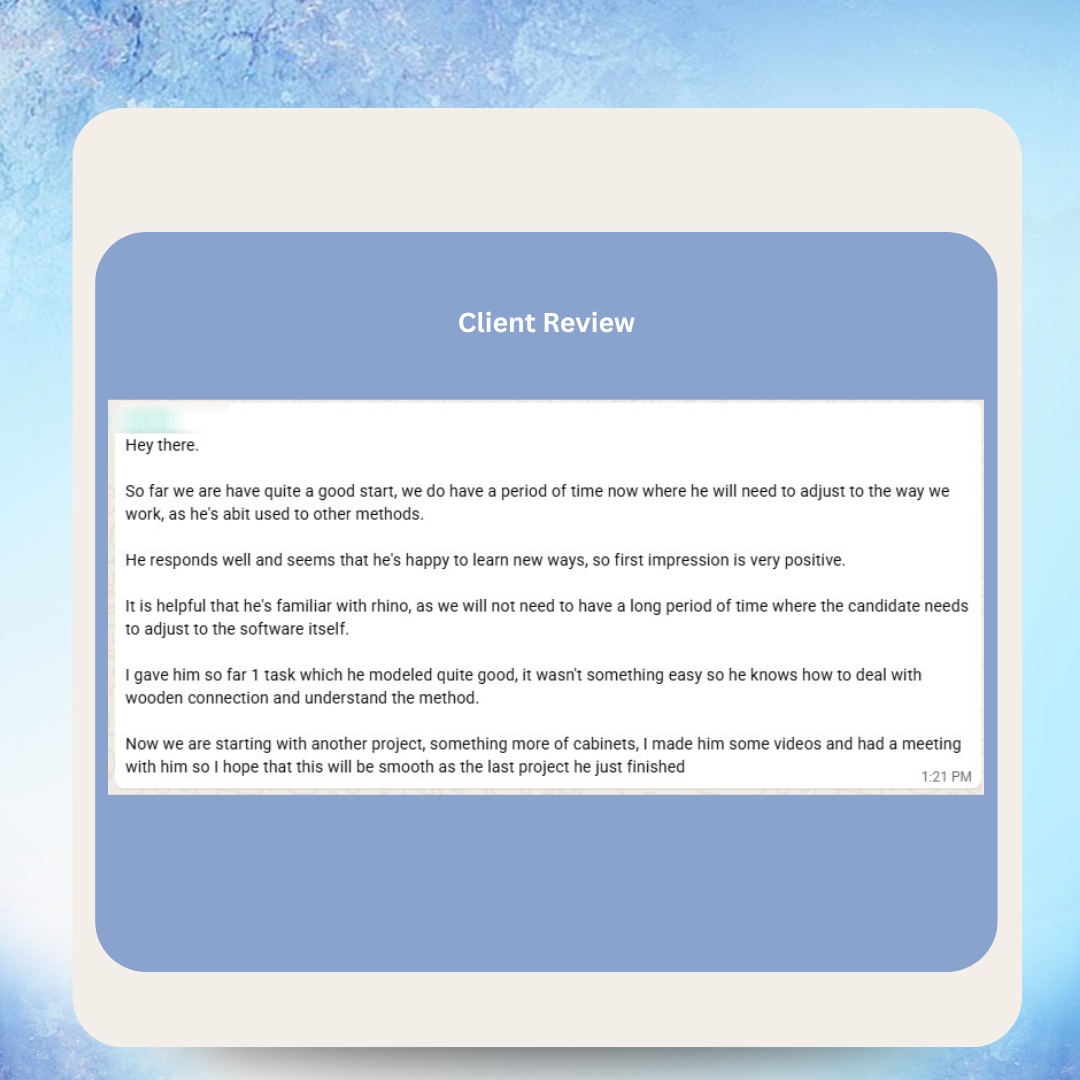
What Our Clients Say



Real Messages from Real Clients


Hear From Our Data VAs
Our data analysts choose VA Masters because we invest genuinely in their professional growth — and that investment translates directly into the quality of insights they deliver to your business.



As Featured In





Frequently Asked Questions
What is a data analyst virtual assistant?
A data analyst virtual assistant is a dedicated remote professional who handles data collection, cleaning, analysis, visualization, and reporting for your business on a full-time, ongoing basis. They build dashboards, produce recurring reports, run ad hoc analyses, maintain databases, and turn raw data from your CRM, marketing platforms, and operational systems into insights your team can act on — at up to 80% less than hiring a local data analyst.
What tools does a data analyst VA know?
Filipino data analyst VAs from VA Masters are proficient across: Excel and Google Sheets (pivot tables, Power Query, VBA automation), SQL (MySQL, PostgreSQL, BigQuery), visualization tools (Tableau, Power BI, Looker Studio), Python data stack (pandas, NumPy, matplotlib), web analytics (Google Analytics 4, Search Console), marketing platforms (Google Ads, Meta, HubSpot, Salesforce), and e-commerce analytics (Shopify, Amazon Seller Central). We match based on your specific tool stack and verify proficiency through a practical skills test.
How much does a data analyst virtual assistant cost?
Through VA Masters, Filipino data analyst VAs work at $9.50–$15 per hour — approximately $1,560–$2,600 per month for a full-time dedicated analyst. This is up to 80% less than a US-based data analyst ($6,000–$9,000+/month) and far less than analytics agency retainers ($3,000–$15,000+/month). Even a junior local analyst at $70,000/year costs more annually than a full-time VA Masters data analyst VA.
What is the difference between a data analyst VA and a data entry VA?
Data entry VAs process and organize existing data — entering records, maintaining spreadsheets, and updating databases. Data analyst VAs do all of that plus the analytical work: building dashboards, running queries, producing statistical analyses, creating forecasting models, and generating insights that drive decisions. They require stronger technical skills (SQL, Python, Tableau) and statistical reasoning. At VA Masters, we recruit for these as distinct roles with different skills tests and candidate sourcing strategies.
Can a VA handle Google Analytics reports?
Yes. A data analyst VA with GA4 expertise can handle the full Google Analytics reporting workflow: configuring custom events and conversions, building Exploration reports, connecting GA4 to Looker Studio for automated dashboards, producing weekly traffic and conversion analysis, and integrating Search Console data for organic performance reporting. Most businesses have GA4 installed but significantly underuse it — a dedicated VA captures the full value of your analytics investment.
What is a business intelligence virtual assistant?
A business intelligence VA builds and maintains the information infrastructure that keeps your management team data-informed continuously — not just when an analyst has time. This includes KPI framework design, executive dashboards, departmental analytics, competitive intelligence tracking, and data pipeline monitoring. BI VAs operate at a higher analytical level than basic reporting VAs, providing ongoing strategic information support rather than one-off reports.
How do I use virtual assistants for data analysis?
The most effective setup for data analysis VA support: start with a documented list of the recurring reports and analyses you need (weekly dashboards, monthly attribution reports, quarterly performance reviews). Then add the ad hoc analyses you currently don't get (cohort analysis, churn modeling, competitive benchmarking). Provide your VA with access to your data sources, document your preferred output formats, and build a review cadence for the first month to calibrate quality. VA Masters assists with this onboarding structure.
Can a VA manage database design and maintenance?
Yes. A database management VA handles database structure design, data consolidation from multiple sources, ongoing data hygiene (removing duplicates, correcting inconsistencies, filling gaps), CRM data quality management, and ETL pipeline management. Filipino data professionals with computer science or information systems backgrounds bring genuine database design capability — not just data entry processing. We verify this through schema design tasks in the skills test.
How do I hire a data analyst in the Philippines?
Through VA Masters, hiring a Filipino data analyst VA involves: a discovery call to define your data environment and specific analytical needs; we build a custom skills test using real data and your tools; we source, portfolio-review, and test candidates; you receive 2–3 pre-vetted, tested analysts within 2 business days. The full process — discovery through candidate presentation — typically runs about 2 business days for data analyst roles. No job posting, application sorting, or self-run interviews required.
Can a data analyst VA build automated reporting pipelines?
Yes. Data analyst VAs with Python and SQL proficiency can build automated ETL pipelines that extract data from your operational systems, transform it to your required format, and load it into your reporting environment on a schedule. This means recurring reports that currently take hours of manual work produce themselves — and your dashboards update automatically without anyone touching them. This is one of the highest-ROI applications of a technically skilled data analyst VA.
What is the difference between a data analyst VA and hiring from a data analytics agency?
A data analytics agency manages your analytics as one of many client accounts — you share their team's attention and pay agency rates ($3,000–$15,000+/month). A dedicated VA works exclusively for your business, builds institutional knowledge of your specific data environment, and delivers continuous analytical support rather than scheduled project deliverables. For businesses with ongoing analytical needs (which is most businesses), a dedicated VA consistently delivers better ROI than an agency model.
How do I verify a data analyst VA's technical skills?
The only reliable verification is a practical test. Give the candidate a dataset and an analytical question, and ask them to produce the analysis using your actual tools. For SQL roles: provide a database schema and ask for specific queries. For Tableau/Power BI roles: provide data and ask for a dashboard. For Python roles: ask for a specific data manipulation script. Review the output for accuracy, methodology, and how clearly they explain their findings. At VA Masters, we conduct this test before presenting any candidate — you review the actual analytical output before meeting them.
Stop Making Decisions Without Data — Hire a Dedicated Data Analyst VA Today
Get a full-time Filipino data analyst embedded in your business — building your dashboards, running your reports, and turning your raw data into the insights that drive real decisions.
- Custom skills test with real data analysis task — not just interview claims
- SQL, Python, Tableau, Power BI, GA4 proficiency verified before hire
- Up to 80% cost savings vs. US-based analyst or agency
- Top 2–3 vetted, tested analysts delivered within days
- No upfront fees — pay only when you approve your hire
- Ongoing HR support, performance reviews, and replacement guarantee