

Outsource Mobile App Development to the Philippines — The Complete Guide for 2026
Your competitors just launched a mobile app. Your customers are asking when yours will be ready. Your CTO says the internal team is too busy with the core product. And the three US-based mobile development agencies you contacted quoted $150,000-$400,000 for an MVP that would take 6-9 months to deliver. This is the moment when most businesses either shelve their mobile app ambitions indefinitely or make a decision that transforms their competitive position: outsourcing mobile app development to the Philippines.
The Philippines has rapidly emerged as a premier destination for mobile app development outsourcing, driven by a growing population of skilled developers trained in iOS, Android, React Native, Flutter, and cross-platform frameworks. The country’s IT-BPO industry — which generates over $32 billion annually — has expanded beyond traditional services into software development, producing a talent pool that combines technical expertise with the communication skills and cultural alignment that Western businesses require. At VA Masters, we have placed 1,000+ virtual assistants globally, and our development placements include mobile app developers who build production applications for startups, mid-market companies, and enterprise clients at rates of $12-20 per hour — representing up to 80% savings versus US development rates.
This guide covers everything you need to outsource mobile app development successfully — from evaluating developer skills and choosing the right technology stack to managing remote development workflows, ensuring code quality, and scaling your development team as your app grows.
Why the Philippines Is a Top Destination for Mobile App Development
While India has long dominated offshore software development, the Philippines offers distinct advantages for mobile app projects — particularly for businesses that value communication quality, cultural alignment, and manageable time zone overlap alongside technical competence.
Communication Quality
Software development is a communication-intensive process. Requirements must be understood precisely, design decisions must be discussed, edge cases must be resolved through conversation, and progress must be reported clearly. Filipino developers communicate in fluent English — both written (documentation, code comments, Slack messages, email) and spoken (video calls, standup meetings, code reviews). This communication quality dramatically reduces the misunderstandings, rework, and frustration that plague offshore development relationships where language barriers exist. If you have tried offshore development before and struggled with communication, the Philippines will feel like a different experience entirely.
Growing Technical Talent Pool
The Philippines produces over 130,000 IT and engineering graduates annually from universities that increasingly emphasize mobile development, cloud computing, and modern software engineering practices. The country's tech startup ecosystem is growing, which means Filipino developers are gaining experience building products — not just executing specifications. This entrepreneurial exposure produces developers who think about user experience, performance, and scalability alongside pure implementation. For businesses looking to build broader development teams, outsourcing web development to the Philippines follows the same talent and cost advantages.
Cultural Alignment and Work Ethic
Filipino developers share cultural alignment with Western business practices — they are comfortable with agile workflows, understand the concept of iterative development and MVPs, communicate proactively about blockers, and take ownership of their work quality. The cultural emphasis on dedication and loyalty means lower turnover compared to some other offshore markets where developers hop between projects frequently. A developer who stays with your project for 12+ months develops deep context that is invaluable for complex mobile applications.
Time Zone Flexibility
The Philippines operates in GMT+8, providing overlap with US West Coast mornings and full coverage of Australian/Asian business hours. For US-based teams, Filipino developers working a shifted schedule (starting their day around noon Manila time) overlap with the US East Coast afternoon through evening — enough time for daily standups, code reviews, and real-time collaboration. The Philippine BPO industry has normalized shifted schedules, so developers are experienced and comfortable working hours that align with your team.
Cost Advantage Without Quality Sacrifice
US-based mobile developers cost $120,000-$180,000 per year for mid-level talent and $160,000-$250,000+ for senior developers. Development agencies charge $150-$300 per hour. Through VA Masters, Filipino mobile developers cost $12-20 per hour — representing up to 80% savings. This cost structure means you can hire a senior Filipino developer for less than a junior domestic developer costs, getting more experience and capability at a lower price point.
Key Insight
The Philippines' competitive advantage in mobile development is accelerating as its tech ecosystem matures. Major global companies (including Accenture, IBM, and JP Morgan) have established development centers in the Philippines, which raises the overall skill level of the talent pool by training developers to enterprise standards. VA Masters' recruitment pipeline benefits from this ecosystem — many of our development candidates bring experience from these global technology operations.
Technology Stacks and Frameworks
Choosing the right technology stack is one of the first decisions in any mobile app project. Filipino mobile developers are experienced across all major platforms and frameworks.
Native iOS Development (Swift/SwiftUI)
For apps that need the best possible performance on Apple devices, native iOS development using Swift and SwiftUI is the gold standard. Filipino iOS developers build apps that take full advantage of Apple's hardware and software ecosystem — smooth animations, system integration (HealthKit, ARKit, Core ML, push notifications), and the performance standards that Apple App Store reviewers expect. Native iOS is the right choice for apps where performance, platform-specific UX, or deep hardware integration is critical.
Native Android Development (Kotlin/Jetpack Compose)
Native Android development using Kotlin and Jetpack Compose produces apps optimized for the Android ecosystem — Material Design compliance, device diversity handling, Google Play Services integration, and the performance optimization needed to run well on a wide range of Android hardware. Filipino Android developers build production applications that handle the fragmentation challenges (multiple screen sizes, OS versions, manufacturer customizations) that make Android development more complex than iOS.
Cross-Platform: React Native
React Native allows you to build iOS and Android apps from a single JavaScript/TypeScript codebase, reducing development time by 30-50% compared to building two native apps. Filipino developers with React Native experience (often coming from React web development backgrounds) build production cross-platform apps that share 80-95% of their code between platforms while maintaining near-native performance. React Native is the right choice for most business apps, MVPs, and products where time-to-market matters more than maximum platform-specific optimization.
Cross-Platform: Flutter
Flutter, Google's cross-platform framework using the Dart programming language, has gained significant momentum thanks to its excellent performance, beautiful UI rendering engine, and growing ecosystem. Filipino Flutter developers build apps with smooth 60fps animations, custom UI components, and consistent appearance across platforms. Flutter is particularly strong for apps with complex, custom UIs and has gained enterprise adoption for its productivity advantages.
Backend and API Development
Mobile apps require backend services — APIs, databases, authentication, push notifications, analytics, and server-side logic. Filipino developers build backends using Node.js, Python (Django/FastAPI), Ruby on Rails, Go, or Firebase/Supabase for serverless architectures. VA Masters can place developers who handle both mobile frontend and backend development (full-stack mobile developers) or specialists focused on one layer, depending on your project needs.
VA Masters assesses mobile developers with practical coding challenges — candidates build a functional mini-app that demonstrates their proficiency with the specific framework your project requires. We evaluate code quality, architecture decisions, UI implementation, API integration, and problem-solving approach. This hands-on assessment filters for developers who can build, not just talk about building.
Development Tasks You Can Outsource
Mobile app development encompasses a wide range of tasks beyond just writing code. Here is the full scope of what Filipino mobile developers handle.
MVP Development
For startups and new product initiatives, your developer builds a minimum viable product that validates your app concept with real users. An MVP includes core functionality, basic UI/UX, API integration, and deployment to app stores. Filipino developers are experienced with lean development methodologies that prioritize shipping quickly over building perfectly — getting your app in front of users fast so you can iterate based on real feedback rather than assumptions.
Full App Development
For comprehensive applications, your developer handles the full development lifecycle — translating designs into functional screens, implementing business logic, integrating APIs and third-party services, building data models, implementing authentication and authorization, and optimizing performance. They follow your design specifications (from Figma, Sketch, or Adobe XD) to produce pixel-perfect implementations that match your design vision.
API Integration
Modern mobile apps integrate with numerous external services — payment processors (Stripe, Square), mapping (Google Maps, Mapbox), social login (Google, Apple, Facebook), analytics (Firebase, Mixpanel), messaging (Twilio, SendBird), and industry-specific APIs. Your developer implements these integrations with proper error handling, retry logic, and graceful degradation for offline scenarios.
App Store Deployment and Maintenance
Your developer handles the technical requirements of app store submission — build configuration, code signing, screenshot generation, metadata preparation, and compliance with Apple's and Google's guidelines. After launch, they manage ongoing maintenance: OS version compatibility updates, bug fixes, performance improvements, and feature additions. App maintenance typically requires 10-20 hours per month for stable applications.
Testing and QA
Your developer writes unit tests, integration tests, and UI tests to catch bugs before they reach users. They conduct device testing across multiple screen sizes and OS versions, perform performance profiling to identify bottlenecks, and use crash reporting tools (Firebase Crashlytics, Sentry) to monitor and resolve issues in production. For larger projects, VA Masters can place dedicated QA engineers alongside your developers.
UI/UX Implementation
Translating design mockups into interactive, responsive mobile interfaces requires attention to detail and platform-specific knowledge. Your developer implements animations, transitions, gesture handling, responsive layouts, accessibility features, and the micro-interactions that make an app feel polished. They understand the UX conventions of each platform (iOS Human Interface Guidelines, Material Design) and implement interfaces that feel native to the user's device.
Pro Tip
Start with a small, well-defined project — a single feature or a simple MVP — to evaluate your developer's skills, communication, and work style before committing to a larger engagement. This "trial project" approach costs little and provides concrete evidence of how the developer works, how they handle feedback, and whether the quality meets your standards. VA Masters recommends a 2-4 week trial project for all development placements.
Managing Remote Development
Successfully managing a remote mobile developer requires clear processes, effective communication tools, and realistic expectations about remote collaboration.
Agile Workflow Structure
Adopt an agile framework — scrum or kanban — that provides structure without bureaucracy. For a single developer, a lightweight kanban board (Trello, Linear, or Jira) with clear columns (Backlog, In Progress, In Review, Done) provides visibility into work status without the overhead of full scrum ceremonies. For teams of 2+ developers, two-week sprints with planning, daily standups, and retrospectives create the rhythm that keeps development on track.
Daily Standup Communication
A 15-minute daily standup — what was done yesterday, what is planned today, any blockers — keeps you informed and catches issues early. For time zones with limited overlap, asynchronous standups via Slack (a written update at the end of the developer's workday) work equally well. The key is daily communication; weekly check-ins are too infrequent to catch problems before they compound.
Code Review Process
Every code change should go through a review process before merging to the main branch. If you have technical leadership, they review the developer's pull requests. If not, the developer should still use pull requests with descriptive explanations, and periodic external code reviews (monthly or quarterly) provide quality assurance. Code review is not about distrust — it is about maintaining code quality standards and catching issues that any developer, regardless of skill, occasionally misses.
Requirements Documentation
Clear, written requirements prevent misunderstandings. For each feature, provide: what the feature does (acceptance criteria), how it should look (design mockups or wireframes), what data it needs (API specifications), and how it should handle errors (edge cases). Filipino developers are thorough about implementing exactly what is specified — which is a strength when specifications are clear and a risk when they are vague.
Sprint Demos and User Feedback
Regular demos — every 1-2 weeks — where your developer shows working software keep the project aligned with your vision. Seeing working features early enables course corrections before significant development time is invested in the wrong direction. Involve actual users in these demos when possible; their feedback is more valuable than internal assumptions about what works.
Key Insight
The most successful remote development relationships are built on trust and transparency, not surveillance. Filipino developers work best when they understand the product vision, have clear requirements, and are trusted to execute. Micromanaging every line of code creates friction and slows progress. Set clear expectations, review deliverables regularly, and give your developer the autonomy to solve problems — they will reward that trust with better work and stronger commitment.
Ensuring Code Quality
Code quality determines the long-term maintainability, scalability, and reliability of your mobile app. Here is how to ensure your outsourced development meets professional standards.
Architecture Standards
Establish architecture patterns from the start — MVVM, Clean Architecture, or your preferred pattern. Your developer should structure code in a way that separates concerns, makes testing possible, and allows features to be added or modified without cascading changes throughout the codebase. Agreeing on architecture during onboarding prevents the technical debt that accumulates when code is written without structural discipline.
Automated Testing
Require automated tests for critical functionality. Unit tests verify individual functions work correctly. Integration tests verify that components work together. UI tests verify that user-facing flows work end-to-end. A reasonable target is 60-80% code coverage for business logic and 100% coverage for critical paths (payment processing, authentication, data handling).
CI/CD Pipeline
Set up a continuous integration/continuous deployment pipeline that automatically runs tests, builds the app, and (optionally) deploys to testing environments whenever code is pushed. Tools like GitHub Actions, Bitrise, Codemagic, and Fastlane automate this pipeline. Your developer configures and maintains the CI/CD system, ensuring that every code change is validated automatically before integration.
Code Style and Documentation
Enforce consistent code style using linters (ESLint for React Native, SwiftLint for iOS, Ktlint for Android) and formatters. Require meaningful code comments for complex logic and maintain README documentation for project setup, architecture decisions, and deployment procedures. This documentation is essential for onboarding future developers and ensuring that your codebase remains maintainable beyond any individual developer.
Performance Profiling
Mobile app performance directly impacts user retention — apps that lag, stutter, or drain battery are uninstalled. Your developer profiles app performance using platform-specific tools (Xcode Instruments, Android Profiler, React Native Performance Monitor) and optimizes render cycles, memory usage, network calls, and image loading. Performance should be monitored continuously, not just at launch.
See What Our Clients Have to Say
Tools and Development Workflow
Your mobile developer works within your development infrastructure. Here are the standard tools for managing outsourced mobile development.
Version Control
Git with GitHub, GitLab, or Bitbucket is non-negotiable for professional development. Your developer uses feature branches, pull requests, and clear commit messages. Branch protection rules prevent direct pushes to production branches. This workflow creates a complete history of every code change and enables safe collaboration as your team grows.
Project Management
Jira, Linear, Trello, Asana, or Notion track development tasks, bugs, and features. Each ticket should include a clear description, acceptance criteria, priority, and any relevant design mockups. Your developer updates ticket status daily so you have real-time visibility into progress without needing to ask for updates.
Design Handoff
Figma is the standard tool for design-to-development handoff. It provides your developer with exact specifications — colors, spacing, typography, component dimensions — and exportable assets. For teams without a designer, your developer can implement from wireframes or reference apps and iterate on the design through feedback.
Communication
Slack or Microsoft Teams for daily communication, Zoom or Google Meet for video calls, and Loom for asynchronous video updates. Create dedicated channels for development discussions, bug reports, and deployment notifications. Your developer should be reachable during overlapping work hours and responsive to async messages within a reasonable timeframe.
Testing and Distribution
TestFlight (iOS) and Firebase App Distribution or Google Play Internal Testing (Android) distribute builds to testers before public release. Your developer manages the build-test-deploy cycle, pushing new builds for testing after completing each feature or fixing each bug.
Cost and Pricing
Mobile app development outsourcing to the Philippines delivers substantial cost savings while providing access to skilled developers who build production-quality applications.
US-based mobile developers cost $120,000-$250,000 per year depending on experience and specialization. Development agencies charge $150-$300 per hour, meaning a simple app MVP costs $75,000-$200,000. Through VA Masters, Filipino mobile developers cost $12-20 per hour, or approximately $24,900-$41,600 per year full-time. That represents up to 80% savings. An MVP that costs $150,000 with a US agency might cost $30,000-$50,000 with a dedicated Filipino developer — same quality, dramatically lower investment.
The cost advantage extends beyond hourly rates. With a dedicated developer on your team, you eliminate agency markups, avoid the project management overhead that agencies build into their pricing, and gain a team member who accumulates product knowledge over time. A developer who has been building your app for six months understands the codebase deeply enough to implement new features in half the time a new developer would need. For teams building full technology operations offshore, combining mobile development with web development and executive assistance creates a comprehensive remote team at transformative cost savings.
Key Insight
The cost difference between a US and Filipino mobile developer is large enough to change your product strategy. Instead of building a stripped-down MVP because budget constraints prevent building the full vision, the Philippines cost structure lets you build a more complete product within the same budget. More features at launch means faster market validation and a stronger competitive entry.

Hiring Lawrence as a QuickBooks Expert and Lery as a Real Estate Administrative VA has completely transformed how I run my real estate business. Lawrence efficiently manages all our financial records, ensuring everything is organized and accurate, while Lery handles property documents, tenant coordination, and administrative tasks. This powerful combination allows me to focus more on investment strategy and growth. It was incredibly convenient to have VA Masters find the right talent and manage all the HR aspects. The cost savings compared to local hires are substantial, and the efficiency they bring is unmatched. I highly recommend this solution to any real estate investor looking to scale smoothly.
Detailed Job Posting
Custom job description tailored to your specific needs and requirements.
Candidate Collection
1,000+ applications per role from our extensive talent network.
Initial Screening
Internet speed, English proficiency, and experience verification.
Custom Skills Test
Real job task simulation designed specifically for your role.
In-Depth Interview
Culture fit assessment and communication evaluation.
Client Interview
We present 2-3 top candidates for your final selection.
Have Questions or Ready to Get Started?
Our team is ready to help you find the perfect match.
Get in Touch →Onboarding Your Mobile Developer
A structured onboarding sets the foundation for productive development. Here is the process that VA Masters recommends for mobile developer placements.
Week 1: Environment and Codebase
Your developer sets up their development environment, gains access to your repositories, project management tools, and communication channels. If there is an existing codebase, they review the architecture, run the app locally, and identify the areas they will be working in. If it is a new project, they set up the project structure, configure CI/CD, and establish coding standards.
Week 2: Small Deliverables
Assign a small, well-defined feature or bug fix that your developer can complete within the week. This first deliverable demonstrates their technical skills, communication style, code quality, and ability to work within your processes. Review the output thoroughly — the quality of this first deliverable predicts the quality of everything that follows.
Week 3-4: Feature Development
Your developer moves into regular feature development, working through your backlog in priority order. By week three, communication patterns are established, code review processes are running, and you have enough evidence to evaluate whether the developer is meeting your quality and productivity expectations.
Ongoing: Iteration and Growth
The best development relationships improve over time. As your developer accumulates product knowledge, their velocity increases and their design decisions become more aligned with your product vision. Regular retrospectives (monthly) help identify what is working and what can be improved in your collaboration process.
Pro Tip
Write a technical onboarding document that covers: how to set up the development environment, where code lives (repositories, branches), how deployments work, coding standards and conventions, how to submit code for review, and key architecture decisions and their rationale. This document accelerates onboarding from weeks to days and becomes a reference that the developer returns to throughout the engagement.
Common Mistakes to Avoid
These are the mistakes that most commonly cause outsourced mobile development projects to struggle.
Unclear Requirements
Vague requirements like "make it look good" or "add social features" lead to rework and frustration. Every feature should have written acceptance criteria that define exactly what "done" means. The more specific your requirements, the more accurately your developer implements them. Invest time upfront in clear specifications — it saves multiples of that time during development.
No Design Before Development
Starting development without finalized designs is like building a house without blueprints. Your developer can implement from wireframes or mockups, but they should not be inventing the user experience while writing code. At minimum, provide wireframes for every screen. Ideally, provide high-fidelity mockups from Figma or Sketch with interaction specifications.
Scope Creep Without Timeline Adjustment
Adding features mid-development without extending the timeline is the most common cause of missed deadlines. Every scope addition has a time cost. Your developer should estimate the impact of each change request, and you should make conscious trade-off decisions: add this feature and push the deadline, or defer it to a future release.
Ignoring App Store Guidelines
Both Apple and Google have strict guidelines for app submissions. Apps that violate guidelines are rejected, which delays launch and wastes development time. Your developer should be familiar with current guidelines and design the app to comply from the start — not discover guideline violations during the submission review.
No Post-Launch Maintenance Plan
Launching an app is not the end — it is the beginning. Mobile apps require ongoing maintenance: OS updates that break functionality, user feedback that drives feature development, bug fixes, performance optimization, and security patches. Plan for 10-20 hours per month of maintenance from launch day. Outsourcing maintenance at Philippine rates makes this ongoing investment affordable.
Common Mistake
Do not hire the cheapest developer you can find. In software development, skill differences between developers produce 5-10x productivity variations. A $12/hour developer who writes clean, maintainable code and communicates clearly is infinitely more valuable than a $6/hour developer who produces buggy code that needs constant rework. VA Masters' vetting process exists precisely to identify developers at the quality tier that produces production-ready work.
| Feature | VA MASTERS | Others |
|---|---|---|
| Custom Skills Testing | ✓ | ✗ |
| Dedicated Account Manager | ✓ | ✗ |
| Ongoing Training & Support | ✓ | ✗ |
| SOP Development | ✓ | ✗ |
| Replacement Guarantee | ✓ | ~ |
| Performance Reviews | ✓ | ✗ |
| No Upfront Fees | ✓ | ✗ |
| Transparent Pricing | ✓ | ~ |
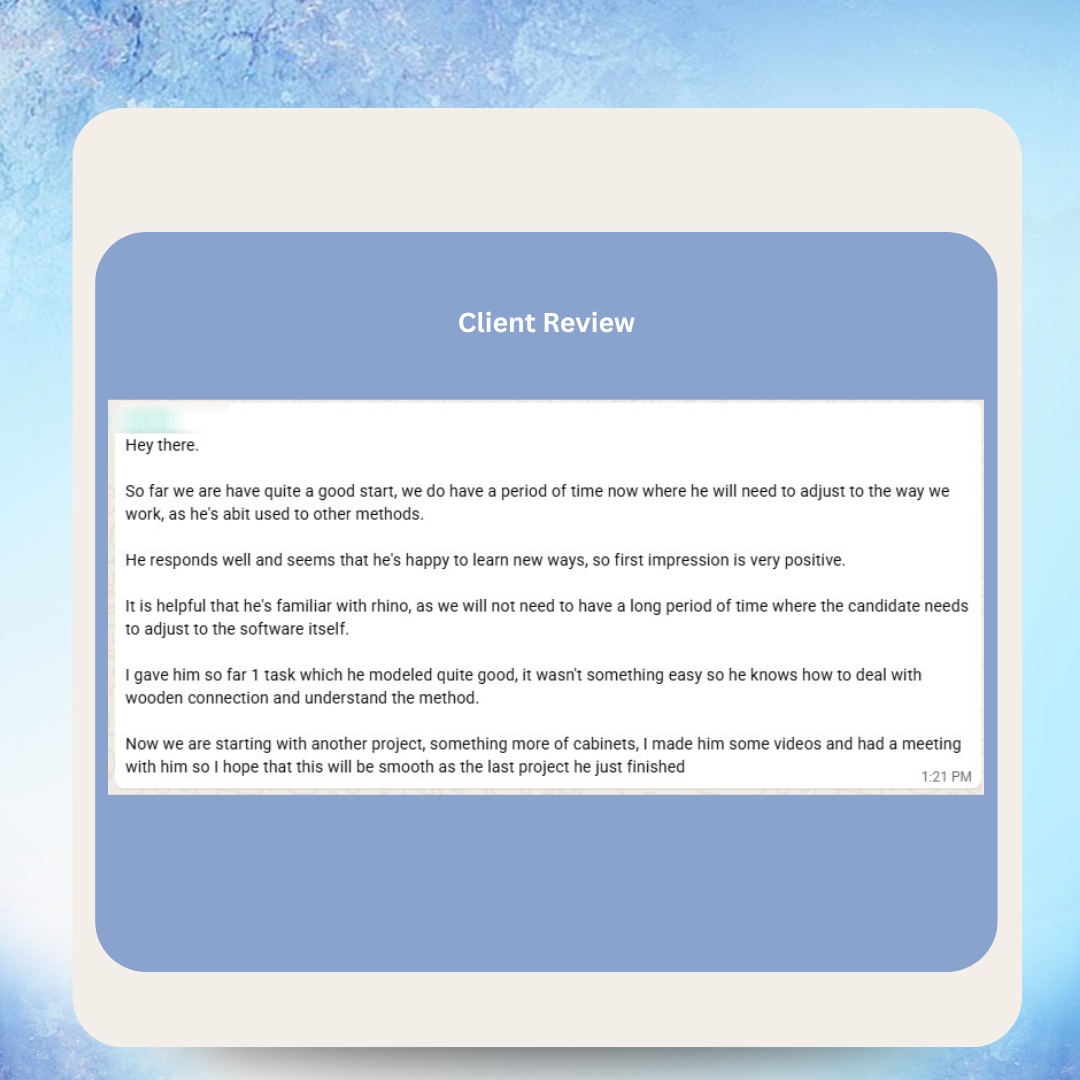
What Our Clients Say




Real Messages from Real Clients


Hear From Our VAs


As Featured In






Frequently Asked Questions
How much does it cost to outsource mobile app development to the Philippines?
Through VA Masters, Filipino mobile developers cost between $12 and $20 per hour depending on experience level and specialization (iOS, Android, React Native, Flutter). This represents up to 80% savings compared to US development rates. A full-time dedicated developer costs approximately $24,900-$41,600 per year versus $120,000-$250,000 for a US-based developer.
What mobile platforms and frameworks do your developers work with?
Our developers build native iOS apps (Swift/SwiftUI), native Android apps (Kotlin/Jetpack Compose), and cross-platform apps using React Native and Flutter. Many also handle backend development (Node.js, Python, Firebase) for full-stack mobile projects. VA Masters matches developer specialization to your specific technology requirements.
Can a Filipino developer build a production-quality app?
Yes. Filipino developers build production apps that are published on the App Store and Google Play, serving thousands to millions of users. VA Masters assesses every developer with practical coding challenges that evaluate architecture, code quality, and real-world implementation skill. We only present developers capable of production-quality work.
How do I manage a mobile developer in the Philippines?
Use agile workflows (kanban or scrum), daily standups (synchronous or async via Slack), code reviews via GitHub pull requests, and sprint demos every 1-2 weeks. Project management tools like Jira, Linear, or Trello provide visibility into progress. Filipino developers are experienced with remote agile workflows and communicate proactively about progress and blockers.
How long does it take to build a mobile app with an outsourced developer?
Timeline depends on complexity. A simple MVP takes 6-12 weeks. A feature-complete app takes 3-6 months. A complex enterprise app takes 6-12+ months. Filipino developers work at comparable speed to domestic developers — the primary variable is scope, not geography. VA Masters helps you scope realistic timelines during project planning.
Should I hire a native developer or a cross-platform developer?
Cross-platform (React Native or Flutter) is the right choice for most business apps — it supports both iOS and Android from a single codebase, reducing development time by 30-50%. Native development is better when you need maximum performance, deep hardware integration, or platform-specific UX that cross-platform frameworks cannot deliver. VA Masters can advise based on your specific requirements.
How do I ensure code quality from a remote developer?
Require pull requests with code review for every change, implement automated testing, use CI/CD pipelines that run tests on every commit, enforce code style with linters, and conduct periodic external code audits. VA Masters recommends establishing architecture standards during onboarding and reviewing the first deliverables thoroughly.
How quickly can I get a mobile developer through VA Masters?
VA Masters presents 2-3 pre-vetted mobile developer candidates within 1-2 weeks. Our recruitment process includes practical coding assessments specific to your technology stack. Total time from consultation to productive development is typically 3-4 weeks including onboarding and environment setup.
Can I start with one developer and scale to a team?
Yes. Many clients start with a single developer for an MVP or initial feature set, then add developers as the project grows. VA Masters can place additional developers, QA engineers, and UI/UX designers to build a complete mobile development team. Each addition benefits from the existing developer's codebase knowledge and established processes.
Who owns the intellectual property of the app?
You own all intellectual property. VA Masters' agreements assign all IP rights to the client. Your developer works on your codebase, in your repositories, and all code they produce is your property. This is standard for dedicated developer placements and is clearly documented in the engagement agreement.
Ready to Get Started?
Join 500+ businesses who trust VA Masters with their teams.
- No upfront payment required
- No setup fees
- Only pay when you are 100% satisfied with your VA

Anne is the Operations Manager at VA MASTERS, a boutique recruitment agency specializing in Filipino virtual assistants for global businesses. She leads the end-to-end recruitment process — from custom job briefs and skills testing to candidate delivery and ongoing VA management — and has personally overseen the placement of 1,000+ virtual assistants across industries including e-commerce, real estate, healthcare, fintech, digital marketing, and legal services.
With deep expertise in Philippine work culture, remote team integration, and business process optimization, Anne helps clients achieve up to 80% cost savings compared to local hiring while maintaining top-tier quality and performance.
Email: [email protected]
Telephone: +13127660301