

What Is Outsourcing? Everything You Need to Know About Delegating Work in 2026
What would happen to your business if you could clone yourself — not once, but five or ten times? If a team of skilled professionals could handle the tasks that consume your calendar while you focused exclusively on the work that grows your revenue and moves your company forward? That is not a hypothetical question. It is the practical reality that outsourcing delivers for thousands of businesses every year, and understanding exactly how it works is the first step toward transforming yours.
Outsourcing is the business practice of hiring external professionals or organizations to perform tasks, handle operations, or provide services that could otherwise be done internally. It ranges from a solopreneur hiring a virtual assistant to manage their inbox all the way up to a Fortune 500 company contracting an entire customer support division overseas. The global outsourcing market surpassed $400 billion in revenue as of recent years, and it continues to accelerate as remote work infrastructure, communication tools, and global talent pools make geographic boundaries irrelevant for an expanding range of business functions.
Yet despite its prevalence, outsourcing remains one of the most misunderstood business strategies. Some business owners picture sweatshops and robotic call centers. Others assume it is only for massive corporations with seven-figure budgets. The reality is far more nuanced — and far more accessible. VA Masters has placed 1,000+ virtual assistants for businesses of every size, from one-person startups to established companies with hundreds of employees. This guide covers everything you need to know: what outsourcing is, how it works, the different types, the real benefits and risks, what it costs, and how to do it well. Whether you are considering outsourcing for the first time or looking to optimize an existing setup, our 6-stage recruitment process delivers pre-vetted Filipino VAs within 2 business days at up to 80% savings compared to local hires.
Definition and Types of Outsourcing
At its core, outsourcing means delegating work to someone outside your organization. Instead of hiring a full-time, in-house employee to perform a function, you contract that work to an external professional, team, or company. The external worker might be in the next city or on the other side of the world. They might handle a single recurring task or manage an entire business function. The common thread is that the work is performed by someone who is not a direct, traditional employee of your company.
Understanding the different types of outsourcing helps you identify which model fits your business needs. Each type has distinct characteristics, advantages, and use cases that shape how the working relationship functions.
Onshore Outsourcing
Onshore outsourcing (also called domestic outsourcing) means hiring an external company or professional within your own country. A US-based business hiring a US-based bookkeeping firm or a freelance graphic designer in another state is onshore outsourcing. The advantage is minimal cultural and time zone differences. The limitation is that cost savings are modest because the external provider operates within the same economic environment as your business. You save on benefits, office space, and HR overhead, but hourly rates remain comparable to what a local employee would cost.
Nearshore Outsourcing
Nearshore outsourcing involves hiring professionals in neighboring or nearby countries — typically within one to three time zones of your location. For US businesses, this often means outsourcing to Mexico, Colombia, Costa Rica, or other Latin American countries. Nearshore arrangements offer moderate cost savings compared to domestic rates, easier time zone alignment for real-time collaboration, and reduced cultural distance compared to outsourcing across the globe. Many businesses choose nearshore arrangements when real-time overlap during standard business hours is critical.
Offshore Outsourcing
Offshore outsourcing means hiring professionals in distant countries where the cost of living and labor costs are significantly lower than your home market. For English-speaking businesses, the Philippines, India, Eastern Europe, and parts of Southeast Asia are the most common offshore destinations. Offshore outsourcing delivers the most significant cost savings — up to 80% compared to local hiring — while accessing talent pools of millions of educated, skilled professionals. The primary considerations are time zone management and cultural alignment, both of which are readily managed with the right partner and processes.
Business Process Outsourcing (BPO)
BPO refers to outsourcing entire business processes or functions to a third-party provider. A company that contracts its entire customer service operation, its payroll processing, or its IT helpdesk to an external firm is engaged in BPO. The provider assumes responsibility for the process end-to-end, including staffing, training, quality assurance, and technology infrastructure. BPO is most common among mid-size and large companies with high-volume, standardized processes. It delivers operational efficiency through the provider's specialization and scale, but it requires significant upfront setup and can feel disconnected from your core business.
Individual Virtual Assistant Outsourcing
This is the outsourcing model most relevant to small and mid-size businesses — and the model VA Masters specializes in. Instead of outsourcing a process to a faceless company, you hire an individual professional who becomes a dedicated member of your team. Your virtual assistant works for your business, learns your processes, understands your clients, and integrates into your workflows. The relationship feels less like "outsourcing" and more like hiring a remote team member at a fraction of the local cost. This model combines the cost advantages of offshore outsourcing with the personalization and loyalty of a direct hire.
Key Insight
The outsourcing model that works best for most businesses is not the faceless, process-driven BPO approach that dominates headlines. It is the individual VA model: a skilled professional who works as a dedicated extension of your team, learns your business deeply over time, and delivers the same relationship continuity you would get from a local employee — at up to 80% less cost. The businesses that see the highest ROI from outsourcing are the ones that treat it as hiring a remote team member rather than buying a commodity service.
How Outsourcing Works in Practice
The mechanics of outsourcing have evolved dramatically over the past decade. Cloud-based tools, reliable internet infrastructure in talent-rich countries, and widespread adoption of remote work have eliminated most of the friction that once made outsourcing logistically challenging. Here is how a modern outsourcing arrangement actually functions day to day.
The Hiring Phase
Whether you use a freelance platform, a VA agency like VA Masters, or recruit directly, the process begins with defining what you need. You specify the role, the tasks, the required skills, the tools your business uses, the working hours you need covered, and the communication expectations. A quality provider then matches you with candidates who meet those criteria — VA Masters delivers 2-3 pre-vetted candidates within 2 business days through our 6-stage recruitment process. You interview your preferred candidates, select the best fit, and begin onboarding.
Onboarding and Training
Your new team member needs orientation just like any hire. You share access to relevant tools and platforms (using separate user accounts with appropriate permissions — never your personal credentials), provide standard operating procedures (SOPs) for recurring tasks, introduce them to your team and communication channels, and walk through your expectations for quality, turnaround time, and communication frequency. A structured onboarding framework reduces ramp-up time from weeks to days. Most VAs hired through VA Masters are productive within the first week and fully autonomous on routine tasks within two to four weeks.
Daily Operations
In practice, working with an outsourced team member feels remarkably similar to working with a remote employee in your own country. You communicate via Slack, Microsoft Teams, or your preferred messaging platform. Tasks are assigned and tracked through project management tools like Asana, Trello, or Monday.com. Video calls handle complex discussions, training sessions, and relationship building. Shared documents and cloud storage ensure everyone works from the same information. The technology stack is the same one you would use with any remote worker — the only difference is the time zone and the cost.
Communication Rhythms
Effective outsourcing relationships follow predictable communication patterns. A brief daily check-in (5-10 minutes via video or messaging) covers priorities, blockers, and completed work. Weekly reviews (15-30 minutes) assess performance, address challenges, and plan ahead. Monthly retrospectives evaluate broader patterns and adjust workloads or responsibilities as needed. Filipino VAs are particularly skilled at asynchronous communication — providing detailed end-of-day reports, documenting their work thoroughly, and proactively flagging issues before they become problems.
Performance Management
Managing outsourced team members requires the same performance management discipline as managing any employee — perhaps more, because the remote nature of the relationship means you cannot rely on casual observation. Establish clear KPIs from day one: response time targets, task completion rates, quality benchmarks, and communication expectations. Review performance regularly against these metrics, provide specific feedback, and adjust workloads and responsibilities based on demonstrated capability. For a detailed methodology, consult our guide on evaluating virtual assistant performance with KPIs and metrics.
One of the most common questions we receive from first-time outsourcers is "How do I know they are actually working?" The answer is the same as for any remote employee: you measure output, not hours. Track task completion, quality, and responsiveness rather than monitoring screen activity. A VA who completes all assigned tasks at high quality and responds promptly to communications is working effectively regardless of whether they take a 15-minute break at 2 PM. Results-based management produces better outcomes — and a healthier working relationship — than surveillance-based management.
The Benefits of Outsourcing
The case for outsourcing extends well beyond cost savings, though savings are the most quantifiable and immediate benefit. Here is a comprehensive breakdown of what outsourcing delivers when executed correctly.
Dramatic Cost Reduction
The most compelling benefit is economic. A Filipino virtual assistant performing administrative, customer service, bookkeeping, or digital marketing tasks typically costs $7-12 per hour — compared to $25-50+ per hour for equivalent local talent in the US, UK, or Australia. For a full-time role, that translates to roughly $1,200-2,080 per month versus $4,000-8,000+ per month locally (before benefits, taxes, office space, and equipment). The savings represent up to 80% reduction in staffing costs for the same work output. These are not theoretical numbers — they are the documented experience of 1,000+ VA Masters placements across every industry and function.
Access to a Global Talent Pool
When you limit hiring to your local area, you compete for talent within a constrained market. When you outsource globally, you access millions of educated professionals across dozens of countries. The Philippines alone produces over 500,000 college graduates annually in business, IT, accounting, and communications. This vast talent pool means you can find specialists in niche skills — Shopify experts, QuickBooks-certified bookkeepers, social media strategists, graphic designers, SEO specialists — who might be scarce and expensive in your local market but readily available at competitive rates offshore.
Operational Flexibility and Scalability
Outsourcing provides workforce flexibility that traditional hiring cannot match. Need extra customer service capacity during your busy season? Add a temporary VA for three months. Launching a new product line that requires dedicated marketing support? Hire a social media specialist without the commitment of a permanent local position. Scaling back after a project completes? End the engagement without the legal and emotional complexity of laying off a local employee. This flexibility lets you match your team size to actual business needs rather than maintaining a fixed headcount year-round.
Focus on Core Competencies
Every hour your leadership team spends on operational tasks — answering routine emails, processing invoices, updating social media, entering data — is an hour diverted from strategic work. Outsourcing returns those hours to activities that directly grow revenue: building client relationships, developing products, closing sales, forming partnerships, and setting company direction. This reallocation of leadership attention is often the highest-ROI benefit of outsourcing, even though it is harder to quantify than the cost savings.
Extended Business Hours
With team members in different time zones, your business can operate beyond the traditional 9-to-5 window. Customer inquiries submitted in the evening are answered before you wake up. Research assignments given at end of day are completed overnight. Social media content is scheduled and published across time zones. For businesses serving global customers, this extended coverage is a competitive advantage. For businesses serving local customers, it means operations continue while you sleep.
Reduced Risk and Overhead
Traditional employees carry significant overhead beyond their salary: employer taxes, health insurance, workers compensation, office space, equipment, IT infrastructure, HR administration, and liability exposure. Outsourced team members eliminate most of these costs. You pay for productive hours and results — the provider or the contractor handles their own taxes, benefits, workspace, and equipment. This dramatically simplifies your financial obligations and reduces the fixed costs that make businesses fragile during downturns.
Pro Tip
Calculate your "true hourly cost" before evaluating outsourcing savings. Take your total annual compensation cost for a role (salary + employer taxes + benefits + share of office rent and utilities + equipment + HR time) and divide by productive hours (typically 1,800-1,900 per year after vacation, sick days, holidays, and meetings). Most US employers discover their true hourly cost is 1.3-1.5x the employee's hourly wage. That $25/hour employee actually costs $32-37/hour when you include the full overhead — making the comparison against a $9/hour Filipino VA even more dramatic.
Risks and Challenges
Outsourcing is not risk-free. Acknowledging the challenges honestly helps you prepare for them and mitigate them effectively. The businesses that fail at outsourcing typically underestimate one or more of these factors.
Communication Barriers
Despite strong English proficiency in countries like the Philippines, communication challenges can emerge. Accents, idioms, cultural references, and indirect communication styles can cause misunderstandings — particularly in the early weeks of a new working relationship. The fix is straightforward: establish clear communication protocols, use written instructions for complex tasks, confirm understanding before executing high-stakes work, and invest time in building the communication shorthand that develops naturally in any team over time. VA Masters' English proficiency assessment during recruitment specifically tests the communication clarity that prevents these issues.
Time Zone Management
For roles requiring real-time collaboration, significant time zone differences require planning. The Philippines is 12-13 hours ahead of US Eastern Time, which means your morning is their evening and vice versa. Many Filipino VAs willingly adjust their schedules to overlap with your business hours — night shift work is common and well-compensated in the Philippines. Alternatively, you can structure the role around asynchronous workflows where real-time overlap is needed for only 2-3 hours per day and the remainder of the work is performed independently and reviewed the following morning.
Quality Control
When work is performed remotely by someone you have never met in person, quality assurance requires intentional systems rather than casual oversight. Without clear SOPs, quality benchmarks, and regular review cycles, output quality can drift. The solution is the same as for any remote employee: define standards explicitly, review work systematically (especially in the first month), provide specific feedback, and establish escalation protocols for situations that require your direct input. Quality issues in outsourcing are almost always symptoms of management gaps rather than talent gaps.
Data Security Concerns
Granting remote workers access to business systems, customer data, and financial information raises legitimate security questions. Mitigate these risks with standard security practices: create separate user accounts with role-based permissions, enable two-factor authentication, use password managers with controlled sharing, limit access to the minimum data required for each role, maintain access logs, and revoke access promptly when engagements end. Our data security and compliance guide covers the full framework for protecting your business while outsourcing effectively.
Cultural Differences
Every culture has different norms around hierarchy, feedback, initiative, and conflict. Filipino professionals, for example, tend to be more deferential to authority, less likely to push back on unreasonable requests, and more likely to say "yes" when they mean "I will try." Understanding these cultural tendencies is essential for effective management. Ask open-ended questions instead of yes-or-no questions. Create psychological safety for honest feedback. Explicitly invite pushback when you want candid input. These small adjustments in management style prevent the misunderstandings that cultural gaps can produce.
Dependency and Continuity Risks
If a critical outsourced team member leaves suddenly, the knowledge they have accumulated about your business goes with them. This risk exists with any employee, but it feels amplified when the person is in another country. Mitigate it by documenting processes thoroughly, maintaining SOPs that would allow a new hire to get up to speed quickly, ensuring critical passwords and access credentials are stored centrally rather than only in the VA's possession, and cross-training backup personnel for essential functions. VA Masters provides replacement matching at no additional cost if a VA departs, minimizing the disruption of turnover.
Key Insight
Every risk associated with outsourcing has a well-established mitigation strategy. Communication barriers are solved with clear protocols and quality recruitment. Time zone gaps are bridged with schedule adjustments and asynchronous workflows. Quality concerns are addressed with SOPs and systematic reviews. Security risks are managed with standard access controls. Cultural differences are navigated with informed management practices. The businesses that struggle with outsourcing are not victims of insurmountable obstacles — they are businesses that did not invest the modest effort required to manage a remote working relationship effectively.
What You Can Outsource
The range of tasks and functions you can outsource has expanded dramatically as tools, connectivity, and global talent have evolved. Here is a comprehensive overview of what businesses are outsourcing today, organized by function.
Administrative and Executive Support
The most common starting point for outsourcing and the function with the lowest barrier to entry. Your VA handles email management and inbox triage, calendar coordination and meeting scheduling, data entry and CRM updates, document preparation and formatting, travel booking, expense report processing, meeting minutes and follow-up tracking, file organization, and general administrative coordination. These tasks are high-volume, process-driven, and individually simple — but collectively they consume 15-25 hours per week for many business owners and managers.
Customer Service and Support
Customer-facing support is one of the most outsourced functions globally because it follows repeatable scripts and processes while requiring strong communication skills — a combination Filipino professionals excel at. Your outsourced team handles inbound inquiries across email, chat, phone, and social media, processes returns and refunds, manages support ticket queues, updates customers on order status, creates and maintains help documentation, and escalates complex issues to your core team. A dedicated customer service team from the Philippines ensures your customers receive responsive, consistent support at a fraction of the local staffing cost.
Accounting and Bookkeeping
Financial administration is a natural outsourcing candidate because it follows strict rules, requires consistency rather than creativity, and has clear accuracy metrics. Your VA handles accounts payable and receivable, bank reconciliations, invoice generation, expense categorization, payroll preparation, financial report generation, and tax document organization within your accounting software. Filipino accountants with QuickBooks, Xero, or FreshBooks certification deliver the same accuracy as local bookkeepers at significantly lower rates. Outsourcing accounting and bookkeeping to the Philippines is one of the highest-ROI outsourcing decisions for any business with regular financial transactions.
Digital Marketing and Social Media
Marketing is a function where outsourcing has exploded in recent years. Content creation, social media management, email marketing, SEO, paid advertising management, graphic design, video editing, and analytics reporting are all performed remotely using cloud-based tools. A digital marketing VA manages your entire online presence — creating content, scheduling posts, engaging with your audience, running ad campaigns, and reporting on performance — at a fraction of what a local marketing hire or agency retainer would cost.
E-Commerce Operations
Online businesses generate high volumes of operational tasks that multiply as order volume grows. Product listing creation and optimization, order processing and fulfillment coordination, inventory management, customer messaging, review management, returns processing, marketplace compliance, and product photography editing are all efficiently outsourced. Whether you sell on Shopify, Amazon, WooCommerce, Etsy, or other platforms, e-commerce operations specialists handle the daily operational workload that would otherwise consume your entire day.
IT and Web Development
Technical functions are increasingly outsourced as businesses need ongoing website maintenance, bug fixes, plugin updates, security monitoring, and incremental development without maintaining a full-time local developer. Filipino web developers and IT support specialists handle WordPress management, Shopify customization, basic application development, server administration, cybersecurity monitoring, and technical troubleshooting at rates that make on-demand technical support affordable for businesses of any size.
Human Resources and Recruitment
HR administration — job posting management, applicant screening, interview scheduling, onboarding documentation, benefits administration, and employee records management — is a high-volume administrative function that outsources effectively. For businesses in growth mode, outsourcing recruitment coordination lets you scale your hiring pipeline without adding permanent HR headcount.
Research and Data Analysis
Market research, competitive analysis, lead generation, prospect list building, data compilation, industry trend monitoring, pricing research, and academic or technical research are all performed remotely and deliver high value relative to the time investment. Your VA conducts thorough research and delivers organized, actionable summaries — replacing the hasty Google searches and gut-feeling decisions that time-constrained business owners default to.
The question is rarely "Can this task be outsourced?" — virtually any knowledge work performed on a computer can be outsourced with the right person and the right processes. The better question is "Should this task be outsourced?" The answer is yes when the task is time-consuming, process-driven, does not require your physical presence or unique expertise, and can be defined clearly enough for someone else to execute it to your standards. Most business owners discover that the majority of their weekly workload meets these criteria.
Why the Philippines Leads in Outsourcing
The Philippines has emerged as the world's premier destination for outsourcing English-language business functions, and that position is not accidental. Multiple structural advantages converge to make Filipino professionals uniquely suited for remote work with Western businesses.
English Proficiency
The Philippines ranks among the top English-speaking countries globally. English is one of two official languages, the medium of instruction in schools and universities, and the primary language of business, government, and media. Filipino professionals do not merely speak English as a second language — they think, write, and communicate in English with a fluency and natural cadence that feels familiar to American, British, Canadian, and Australian clients. This linguistic advantage is the single most important factor in the Philippines' outsourcing dominance, because clear communication is the foundation of every successful remote working relationship.
Education and Professional Infrastructure
The Philippine education system, heavily influenced by the American model, produces over 500,000 college graduates annually across fields directly relevant to outsourcing: business administration, accounting, information technology, communications, and education. The country has a decades-long BPO industry that has created a professional culture of remote work excellence, with established standards for workplace conduct, client service, and quality delivery. When you hire a Filipino VA, you are not pioneering a new approach — you are tapping into a mature, professional ecosystem that has been refining its practices for over 20 years.
Cultural Compatibility
Filipino culture aligns exceptionally well with the expectations of Western businesses. Strong work ethic, respect for deadlines and processes, genuine warmth in interpersonal interactions, loyalty to employers who treat them well, attention to detail, and a service-oriented mindset are cultural hallmarks that translate directly into workplace excellence. Filipino professionals are also deeply familiar with Western popular culture, business norms, and communication styles — having grown up with American media, brand environments, and educational curricula. This cultural fluency eliminates the awkwardness and misunderstandings that can plague outsourcing relationships with providers in culturally distant regions.
Cost of Living Advantage
The Philippines offers a cost of living that is significantly lower than in Western countries, which means salaries that provide excellent quality of life for Filipino professionals represent dramatic savings for international employers. This is not exploitation — a VA earning $9-12 per hour through VA Masters earns well above the local average salary and enjoys a comfortable, middle-class lifestyle. The arrangement is genuinely win-win: your business saves up to 80% compared to local hiring, while your VA earns a premium salary that supports their family and career growth. To understand the full salary landscape, see our detailed Filipino VA salary guide by role and experience level.
Government Support and Infrastructure
The Philippine government actively supports the outsourcing industry through favorable policies, tax incentives for BPO companies, investment in telecommunications infrastructure, and educational programs designed to produce graduates with outsourcing-relevant skills. Internet connectivity has improved significantly across the country, with most urban areas offering reliable broadband sufficient for video conferencing, cloud-based tool access, and VoIP communication. The country's outsourcing industry employs over 1.5 million Filipinos and contributes significantly to the national economy — ensuring continued government investment in the infrastructure and policies that support the sector.
Pro Tip
When evaluating outsourcing destinations, look beyond hourly rates. The cheapest option is rarely the best value. Consider English proficiency (the Philippines ranks highest among major offshore destinations), cultural compatibility with your business style, time zone flexibility (Filipino VAs routinely adjust schedules to overlap with Western business hours), professional infrastructure maturity, and the provider's ability to source, vet, and support talent. A $5/hour hire who produces mediocre work and requires constant supervision costs more than a $10/hour hire who delivers quality output with minimal management overhead. For a broader perspective on the outsourcing landscape, explore our Philippines outsourcing market statistics.
In-House vs. Outsourced Teams
The decision to outsource is not binary. Most successful businesses use a hybrid model where certain functions remain in-house while others are delegated externally. Understanding the strengths and trade-offs of each approach helps you design the right structure for your business.
When In-House Is the Right Choice
Some functions benefit from physical proximity, deep organizational knowledge, or the control that only direct employment provides. Core strategic roles — leadership, product development, key account management — typically stay in-house because they require constant access to institutional context and the ability to make real-time decisions that shape the company's direction. Roles requiring physical presence — warehouse operations, in-person client meetings, hands-on equipment maintenance — cannot be outsourced by nature. Highly sensitive functions involving trade secrets, proprietary algorithms, or classified information may warrant in-house handling for security and intellectual property reasons, though proper access controls make outsourcing viable even for many sensitive functions.
When Outsourcing Is the Better Approach
Outsourcing delivers superior value for functions that are process-driven and repeatable, do not require physical presence, can be clearly defined through SOPs, benefit from cost efficiency over proximity, require specialized skills that are scarce or expensive locally, or fluctuate in volume (making fixed headcount inefficient). Administrative support, customer service, bookkeeping, social media management, data entry, research, IT support, and operations coordination all fit this profile — and they represent the majority of work hours in most businesses.
The Hybrid Model in Practice
The most effective business structure for most companies combines a lean in-house team focused on strategy, client relationships, and core competencies with an outsourced team handling operations, support, and specialized functions. A consulting firm might keep its consultants and partners in-house while outsourcing administrative support, bookkeeping, marketing, and CRM management. An e-commerce company might keep product development and brand strategy in-house while outsourcing customer service, order fulfillment coordination, listing management, and financial administration. This hybrid model lets you invest in local talent where proximity and institutional knowledge matter most, while leveraging the cost and flexibility advantages of outsourcing for everything else.
Cost Comparison
The financial difference is stark. A fully loaded US employee — salary, employer taxes, health insurance, paid time off, office space, equipment, and HR overhead — costs 1.3-1.5x their base salary. A $50,000/year administrative employee actually costs $65,000-75,000 per year. A Filipino VA performing the same role costs approximately $15,000-22,000 per year for full-time, dedicated work — with no benefits overhead, no office space costs, and no equipment expenses. The savings are not marginal. They are transformational, especially for small businesses where every dollar of overhead directly constrains growth capacity.
The outdated view of outsourcing as "cheap labor" misses the reality that modern outsourcing is a strategic workforce decision. Companies that outsource effectively are not cutting corners — they are allocating resources intelligently. They invest their premium dollars in the roles where local presence and deep institutional knowledge matter, and they leverage global talent pools for functions where quality is driven by skills and processes rather than proximity. The result is a more capable, more flexible, and more cost-efficient organization than either an all-local or all-outsourced approach would produce.
See What Our Clients Have to Say
Cost and Pricing
Understanding the actual cost of outsourcing — and how it compares to local alternatives — is essential for making informed decisions. The numbers below reflect real market rates based on VA Masters' experience placing 1,000+ VAs across every major business function.
These rates represent full-time, dedicated professionals who work exclusively for your business. Unlike freelance platforms where you pay per task or per project with unpredictable costs, VA Masters placements are consistent monthly commitments that let you budget precisely and build long-term working relationships. There are no long-term contracts, no upfront placement fees, and no hidden costs. You pay a transparent monthly rate for a professional who becomes a permanent extension of your team.
To appreciate the full impact, compare these costs against local alternatives. A US-based customer service representative earning $18/hour costs approximately $40,000-45,000 annually when you include employer taxes and basic benefits. A Filipino customer service VA through VA Masters costs approximately $15,000-19,000 annually for the same hours — a savings of over $20,000 per year on a single role. Scale that across multiple positions and the savings become transformational. For a detailed breakdown across every function, see our comprehensive outsourcing cost by function price guide.
The Philippines' cost advantage does not come from paying workers unfairly. Filipino VAs earning $7-12/hour through VA Masters earn significantly above the average local salary, providing a comfortable, middle-class lifestyle. The savings come from the genuine difference in cost of living between the Philippines and Western countries — not from exploitation. This economic reality creates a sustainable, mutually beneficial arrangement where businesses get exceptional talent at favorable rates while Filipino professionals earn premium compensation by local standards.
Without a VA
- Business owner working 60+ hours handling every task personally
- Paying $25-50/hr for local generalist employees
- $4,000-8,000/month fully loaded cost per local hire
- Customer inquiries waiting 24-48 hours for responses
- Bookkeeping done in quarterly scrambles before tax deadlines
With VA MASTERS
- Owner focused on strategy, sales, and growth activities
- Dedicated Filipino VA at $7-12/hr handling daily operations
- $1,200-2,080/month for full-time dedicated professional
- Customer inquiries answered within 2-4 hours consistently
- Books maintained in real-time with monthly reports on demand

Since working with VA Masters, my productivity as CTO at a fintech company has drastically improved. Hiring an Administrative QA Virtual Assistant has been a game-changer. They handle everything from detailed testing of our application to managing tasks in ClickUp, keeping our R&D team organized and on schedule. They also create clear documentation, ensuring our team and clients are always aligned.The biggest impact has been the proactive communication and initiative—they don’t just follow instructions but actively suggest improvements and catch issues before they escalate. I no longer have to worry about scheduling or follow-ups, which lets me focus on strategic decisions. It’s amazing how smoothly everything runs without the usual HR headaches.This has saved us significant costs compared to local hires while maintaining top-notch quality. I highly recommend this solution to any tech leader looking to scale efficiently.
Our 6-Stage Recruitment Process
The quality of your outsourcing experience depends almost entirely on the quality of the person you hire. This is where most outsourcing arrangements succeed or fail — and where VA Masters' rigorous recruitment process creates a decisive advantage over freelance platforms and less selective agencies.
Our 6-stage process screens for far more than technical skills. We evaluate English proficiency through live conversation and written assessment, practical task ability through role-specific work samples, professional reliability through background and reference verification, communication skills through simulated client interactions, cultural fit through behavioral assessment, and work ethic through structured scenario evaluation. Only candidates who pass every stage are presented to clients — which means the 2-3 profiles you review represent the top tier of a much larger applicant pool.
For businesses new to outsourcing, this vetting process eliminates the most common failure point: hiring someone who interviews well but cannot deliver consistently in a real working environment. The skills testing is practical, not theoretical — candidates demonstrate they can perform the actual tasks your role requires, using the actual tools your business uses, to the quality standard your business demands.
Detailed Job Posting
Custom job description tailored to your specific needs and requirements.
Candidate Collection
1,000+ applications per role from our extensive talent network.
Initial Screening
Internet speed, English proficiency, and experience verification.
Custom Skills Test
Real job task simulation designed specifically for your role.
In-Depth Interview
Culture fit assessment and communication evaluation.
Client Interview
We present 2-3 top candidates for your final selection.
Have Questions or Ready to Get Started?
Our team is ready to help you find the perfect match.
Get in Touch →How to Outsource Effectively
Knowing what outsourcing is and deciding to do it are just the first steps. Executing effectively requires deliberate practices that maximize the value of your outsourced team while minimizing the challenges inherent in remote, cross-border collaboration.
Start with Clear Documentation
The single most impactful action you can take before hiring your first VA is documenting your processes. Create standard operating procedures (SOPs) for every task you plan to delegate. Include step-by-step instructions, screenshots, examples of correct output, common mistakes to avoid, and quality standards. Use Loom to record screen-share walkthroughs of complex processes. The 30 minutes you invest documenting a task saves hours of correction and back-and-forth over the life of the working relationship. Businesses that invest in documentation before onboarding report dramatically faster ramp-up times and fewer quality issues in the first month.
Begin with Low-Risk Tasks
Resist the temptation to delegate everything on day one. Start with 2-3 well-defined, repeatable tasks where the cost of errors is low and the process is straightforward. Email management, data entry, scheduling, and social media scheduling are excellent starting points. As your VA demonstrates competence and you develop trust, gradually expand their responsibilities to more complex and sensitive functions. This incremental approach builds confidence on both sides and creates a track record of success that informs future delegation decisions.
Invest in Relationship Building
Your outsourced team member is a human being with career aspirations, personal circumstances, and a desire to do meaningful work. Invest time in getting to know them beyond the transactional task-and-complete cycle. Share your business vision and goals. Explain the "why" behind tasks, not just the "what." Recognize good work and provide constructive feedback on areas for improvement. Include your VA in team meetings and celebrations when appropriate. The businesses that build genuine relationships with their VAs experience dramatically lower turnover, higher quality work, and greater initiative than those that treat outsourcing as a purely transactional arrangement.
Establish Clear Communication Protocols
Define expectations explicitly: which communication channels to use for different types of messages (Slack for quick questions, email for formal communications, video calls for complex discussions), expected response times during working hours, end-of-day reporting requirements, escalation procedures for urgent issues, and availability expectations during and outside working hours. These protocols eliminate the ambiguity that causes friction in remote working relationships and set both parties up for success from day one.
Use the Right Tools
Effective outsourcing requires a technology stack that supports remote collaboration. At minimum, you need a messaging platform (Slack or Microsoft Teams), a video conferencing tool (Zoom or Google Meet), a project management system (Asana, Trello, or Monday.com), cloud document storage (Google Drive or Dropbox), and a time tracking solution for hourly arrangements (Toggl or Hubstaff). For specialized roles, ensure your VA has access to the relevant industry tools — QuickBooks for bookkeeping, Shopify admin for e-commerce, Hootsuite for social media — with appropriate permissions and separate user accounts.
Measure Outcomes, Not Activity
The instinct to monitor screen time and keystroke activity is understandable but counterproductive. Focus on output metrics: tasks completed, quality scores, response times, customer satisfaction ratings, and milestone delivery. A VA who completes all assigned tasks at high quality in 7 hours of focused work is more valuable than one who logs 9 hours of "active" time but produces mediocre output. Results-based management attracts and retains high-performing talent, while surveillance-based management drives top performers to employers who trust them.
Plan for Scale
Think of your first VA as the foundation of a remote team, not a one-off experiment. Design your systems, documentation, and communication infrastructure to support multiple team members from the start. When your first VA succeeds (and they will, with the right hire and management practices), you will want to add more — and having scalable processes in place makes each subsequent hire faster and more effective. Many VA Masters clients start with one VA and grow to 3-5 within 12-18 months as they discover more functions that benefit from outsourcing. Our guide on building a remote team in the Philippines walks you through the full scaling process.
Key Insight
The businesses that extract the most value from outsourcing are not the ones with the most sophisticated tools or the largest teams. They are the ones that treat outsourcing as a management discipline rather than a purchasing decision. They invest in documentation, communication, relationship building, and performance management — the same practices that make any team effective. Outsourcing is not a shortcut that eliminates the work of management. It is a strategy that makes your management investment go dramatically further by applying it to talent that costs a fraction of what local hires command.
| Feature | VA MASTERS | Others |
|---|---|---|
| Custom Skills Testing | ✓ | ✗ |
| Dedicated Account Manager | ✓ | ✗ |
| Ongoing Training & Support | ✓ | ✗ |
| SOP Development | ✓ | ✗ |
| Replacement Guarantee | ✓ | ~ |
| Performance Reviews | ✓ | ✗ |
| No Upfront Fees | ✓ | ✗ |
| Transparent Pricing | ✓ | ~ |
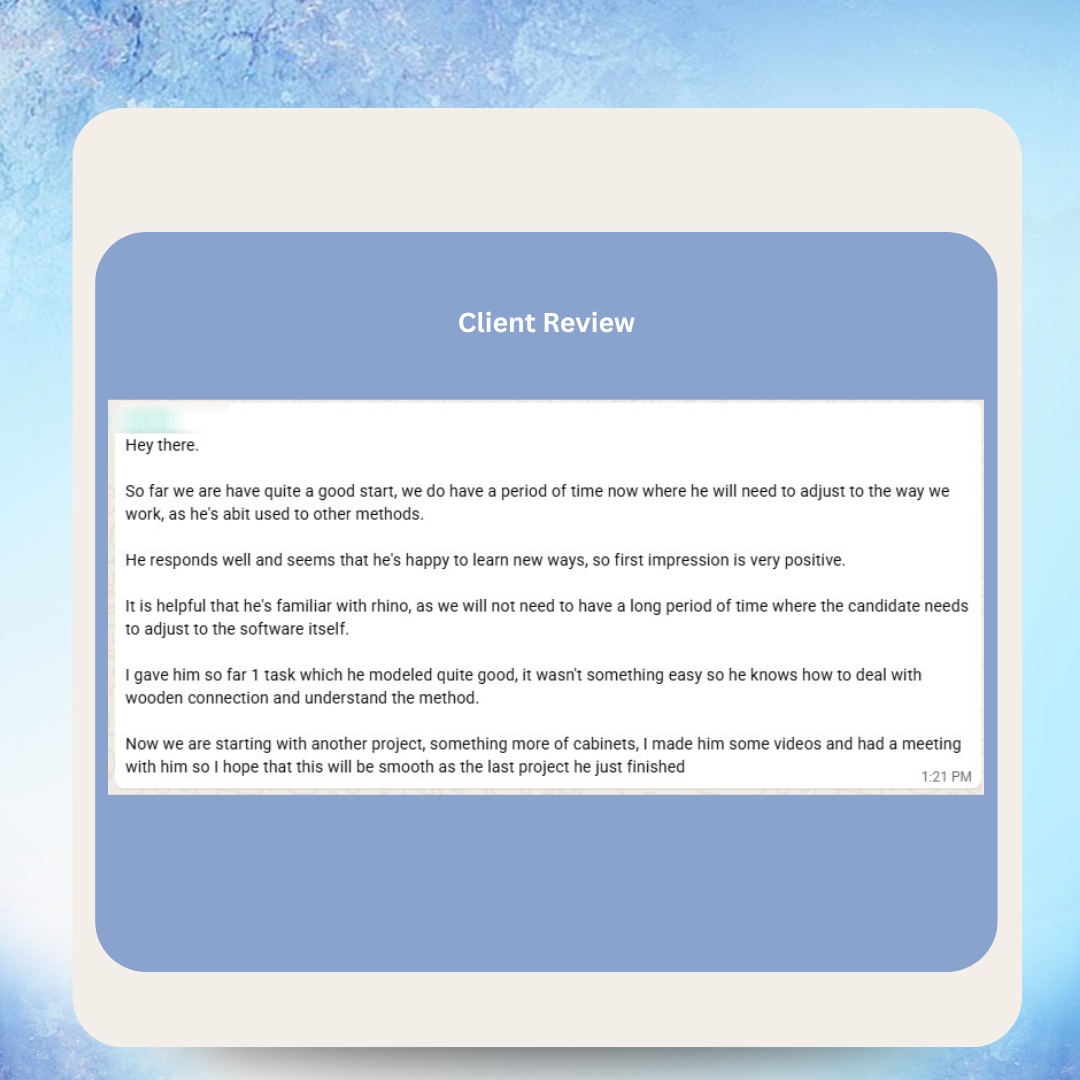
What Our Clients Say



Real Messages from Real Clients


As Featured In






Frequently Asked Questions
What is outsourcing in simple terms?
Outsourcing is the practice of hiring an external person or company to perform work that could be done by your own employees. Instead of adding to your internal team, you delegate specific tasks, roles, or entire business functions to professionals outside your organization. This can range from hiring a single virtual assistant to handle your email and scheduling, to contracting an entire customer service team overseas. The goal is to access skilled talent at lower cost, free up your time for higher-value work, and gain operational flexibility.
What are the main types of outsourcing?
The main types are onshore outsourcing (hiring externally within your own country), nearshore outsourcing (hiring in nearby countries with similar time zones), offshore outsourcing (hiring in distant countries with significant cost advantages, like the Philippines), BPO or business process outsourcing (contracting entire business functions to a provider), and individual VA outsourcing (hiring a dedicated virtual assistant who works exclusively for your business). For small and mid-size businesses, individual VA outsourcing through the Philippines offers the best balance of cost savings, quality, and personalized service.
How much does outsourcing cost?
Outsourcing costs vary by country, skill level, and function. Filipino virtual assistants through VA Masters typically cost $7 to $12 per hour for full-time dedicated work, which translates to approximately $1,200 to $2,080 per month. This represents up to 80% savings compared to hiring locally in the US, UK, or Australia, where equivalent roles cost $25-50+ per hour before benefits and overhead. There are no long-term contracts, no upfront placement fees, and no hidden costs with VA Masters.
What tasks can be outsourced?
Virtually any knowledge work performed on a computer can be outsourced. The most commonly outsourced functions include administrative support (email, scheduling, data entry), customer service (email, chat, phone support), bookkeeping and accounting (invoicing, reconciliation, financial reporting), digital marketing (social media, content creation, SEO, email marketing), e-commerce operations (listing management, order processing, inventory tracking), IT support and web development, HR administration, and research and data analysis. The key criteria are that the task can be clearly defined, performed remotely, and does not require your physical presence.
Is outsourcing only for big companies?
Absolutely not. Outsourcing is increasingly popular among small businesses, solopreneurs, and startups precisely because the cost barrier is so low. A full-time Filipino VA costs $1,200-2,080 per month — less than many businesses spend on software subscriptions. Small businesses actually benefit more from outsourcing proportionally because the time reclaimed by the owner has an outsized impact. When a solopreneur delegates 20 hours of administrative work per week, they reclaim half their working time for revenue-generating activities. VA Masters has placed 1,000+ VAs for businesses of every size, with small businesses representing a significant portion of our clients.
How do I manage someone in a different country and time zone?
Managing an outsourced team member in a different time zone requires intentional communication rhythms and the right tools. Use a messaging platform like Slack for daily communication, schedule brief daily check-ins (5-10 minutes) during overlapping hours, assign tasks through a project management tool like Asana or Trello, and request end-of-day summary reports. Many Filipino VAs adjust their schedules to overlap with your business hours. For tasks that do not require real-time interaction, asynchronous workflows allow your VA to work during their daytime while you review output during yours — effectively extending your business to near 24-hour operation.
What are the risks of outsourcing?
The main risks include communication challenges (mitigated by clear protocols and hiring VAs with strong English proficiency), quality control concerns (mitigated by SOPs, regular reviews, and specific feedback), data security exposure (mitigated by role-based access controls, two-factor authentication, and proper credential management), cultural misunderstandings (mitigated by cultural awareness and open communication), and continuity risk if a VA departs (mitigated by documentation and replacement guarantees). Every risk has established mitigation strategies. Businesses that invest in proper management practices achieve outsourcing success rates comparable to local hiring.
Why is the Philippines the top outsourcing destination?
The Philippines combines several advantages that no other country matches for English-language outsourcing: near-native English proficiency taught from elementary school, an American-influenced education system producing 500,000+ graduates annually, deep cultural compatibility with Western business norms, a mature BPO industry with decades of professional infrastructure, a cost of living that enables up to 80% savings for international employers, government support for the outsourcing sector, and a cultural emphasis on work ethic, loyalty, and service orientation. These factors make Filipino professionals uniquely suited for remote work with US, UK, Canadian, and Australian businesses.
How quickly can I start outsourcing with VA Masters?
VA Masters delivers pre-vetted candidates within 2 business days of your initial discovery call. Our 6-stage recruitment process has already screened candidates for skills, English proficiency, practical task ability, and professional reliability — so the profiles you receive represent thoroughly evaluated professionals ready to work. You interview your preferred candidates, select the best fit, and begin onboarding immediately. Most clients have a productive VA working on real tasks within 5-7 business days of first contact. There are no long-term contracts, so you can start with confidence knowing you are not locked into anything.
What is the difference between outsourcing and hiring a freelancer?
Freelancers are typically project-based or task-based — you hire them for specific deliverables with a defined scope and timeline. Outsourced VAs through VA Masters are dedicated team members who work for your business on an ongoing basis, learning your processes, understanding your clients, and growing more valuable over time. Freelancers offer flexibility for one-off projects but lack continuity. Dedicated VAs offer the consistency, institutional knowledge, and relationship depth that comes from ongoing employment. Additionally, VA Masters handles recruitment, vetting, and ongoing support — freelance platforms leave all of that to you.
Ready to Get Started?
Join 500+ businesses who trust VA Masters with their teams.
- No upfront payment required
- No setup fees
- Only pay when you are 100% satisfied with your VA

Anne is the Operations Manager at VA MASTERS, a boutique recruitment agency specializing in Filipino virtual assistants for global businesses. She leads the end-to-end recruitment process — from custom job briefs and skills testing to candidate delivery and ongoing VA management — and has personally overseen the placement of 1,000+ virtual assistants across industries including e-commerce, real estate, healthcare, fintech, digital marketing, and legal services.
With deep expertise in Philippine work culture, remote team integration, and business process optimization, Anne helps clients achieve up to 80% cost savings compared to local hiring while maintaining top-tier quality and performance.
Email: [email protected]
Telephone: +13127660301