

Building a Remote Team in the Philippines: Complete Guide
The Philippines is the world’s leading source of remote talent for a reason. More than 1.5 million Filipinos work in the Business Process Outsourcing (BPO) industry, and hundreds of thousands more work directly for international companies as remote professionals. The country produces over 500,000 college graduates annually, English is an official language used in education and business, and the cultural affinity with Western business practices — a legacy of decades of American influence — makes collaboration feel natural from day one.
But building a remote team in any country involves more than posting a job ad and hoping for the best. There are legal considerations to understand, payment methods to set up, communication tools to configure, cultural norms to respect, management practices to adapt, and a scaling strategy to plan. Getting these right from the start is the difference between a remote team that becomes your competitive advantage and one that becomes a management headache.
VA Masters has placed 1,000+ virtual assistants in the Philippines, working with businesses across every industry and size — from solopreneurs hiring their first VA to enterprises building departments of 20+ remote professionals. This guide compiles everything we have learned into a complete, practical resource for building your remote Filipino team. Whether you are hiring your first person or your fiftieth, the principles in this guide will save you time, money, and frustration — with up to 80% savings compared to building the same team locally.
Why the Philippines Is the Top Choice for Remote Teams
Before diving into the how, let us be clear about the why. Several countries offer remote talent at competitive rates — India, Latin America, Eastern Europe — but the Philippines has specific advantages that make it the preferred choice for most English-speaking businesses.
English Proficiency
The Philippines ranks among the top English-speaking countries globally. English is an official language, used as the medium of instruction in schools and universities from elementary through college. Filipino professionals do not just speak English — they write it fluently, understand American idioms and business terminology, and communicate with a neutral accent that is easy for Western clients to understand. This eliminates the communication barriers that plague outsourcing to other regions where English is a second language learned primarily through textbooks.
Cultural Compatibility
Decades of American cultural influence have created a business culture in the Philippines that aligns naturally with Western expectations. Filipino professionals understand deadline-driven work, customer service orientation, direct communication in business contexts, and the collaborative team dynamics common in US, European, and Australian companies. The cultural adjustment period when hiring Filipino remote workers is minimal compared to other outsourcing destinations.
Education Quality
The Philippines has over 2,400 higher education institutions producing more than 500,000 graduates annually. Fields like nursing, IT, accounting, business administration, and education have particularly strong programs. Many Filipino professionals hold bachelor's or master's degrees and bring formal training that complements their practical experience.
BPO Industry Infrastructure
The Philippines' massive BPO industry has created an ecosystem of professionals who are already experienced in remote work, familiar with Western business tools and practices, and accustomed to working across time zones. When you hire Filipino remote workers, you are not training people on the concept of remote work — you are hiring from a talent pool where remote professionalism is the norm.
Cost Advantage
The cost of living in the Philippines enables highly skilled professionals to work at rates of $7-$15 per hour while earning well above the local average. This creates a genuine win-win: businesses save up to 80% compared to local hiring, and Filipino professionals earn competitive compensation that provides a strong quality of life in their country. This is not about paying people less — it is about leveraging global economic differences to create value for both sides.
Key Insight
The Philippines' dominance in remote staffing is not accidental. It is the result of deliberate government investment in English education, BPO industry development, internet infrastructure, and professional training over three decades. When you hire in the Philippines, you are tapping into an ecosystem specifically built to serve international businesses — and that ecosystem gets stronger every year.
Legal Considerations and Compliance
Understanding the legal framework is essential before hiring in the Philippines. The good news is that for most businesses, the legal structure is straightforward — especially when working through an agency like VA Masters that handles compliance on your behalf.
Independent Contractor vs. Employee
The most common arrangement for hiring Filipino remote workers is as independent contractors. This means you are not establishing a legal entity in the Philippines, you are not subject to Philippine labor law, and the contractor is responsible for their own taxes and benefits. This is the model VA Masters operates under — your VA is an independent professional, and VA Masters handles the compliance infrastructure.
If you plan to hire 10+ people and want to establish a formal presence, you have options: establishing a Philippine entity (PEZA-registered or otherwise), partnering with an Employer of Record (EOR) service, or continuing with the independent contractor model through an agency. For most businesses with 1-20 remote workers, the agency or contractor model is simplest and most cost-effective.
Tax Obligations
When hiring through VA Masters, you have no Philippine tax obligations. You pay VA Masters, and we handle the contractor payment and compliance. If you hire directly, you still typically have no Philippine tax withholding obligations — the contractor is responsible for filing their own Philippine income tax. However, consult with a tax professional about your domestic tax obligations regarding foreign contractor payments. In the US, you generally need to file Form 1099 for US contractors but not for foreign independent contractors.
Intellectual Property Protection
Include clear intellectual property clauses in your contractor agreement. All work produced by the contractor during the engagement should be assigned to your company. The Philippines is a signatory to major international IP treaties (TRIPS, Berne Convention, Paris Convention), providing a legal framework for IP protection. VA Masters includes IP assignment provisions in our standard agreements to protect our clients.
Non-Disclosure and Confidentiality
Always use a Non-Disclosure Agreement (NDA) with remote workers who access sensitive business information. Philippine courts recognize and enforce NDAs, and the country's Data Privacy Act of 2012 provides additional protections for personal and business data. VA Masters includes NDA provisions in our standard agreements and ensures all VAs understand their confidentiality obligations.
Data Protection
The Philippines' Data Privacy Act (Republic Act 10173) is modeled after European data protection standards and provides robust protections for personal information. If your business handles data subject to GDPR, HIPAA, or other regulatory frameworks, you can establish compliant data handling procedures with your Filipino team — the legal infrastructure supports it.
For most businesses hiring 1-10 remote workers through VA Masters, legal complexity is minimal. We handle the contractor relationship, payment processing, NDA enforcement, and IP protection. You focus on managing the work while we manage the compliance. For businesses scaling beyond 10 people or operating in highly regulated industries, we recommend consulting with an international employment lawyer to determine the optimal structure.
Payment Methods That Actually Work
Paying remote workers in the Philippines reliably and cost-effectively requires understanding which payment methods work best. Here are the options ranked by practicality.
Through an Agency (Simplest)
When you work with VA Masters, you pay us a single invoice — typically via credit card, wire transfer, or PayPal. We handle converting currency and paying your VA in Philippine Pesos. You never need to set up international payment infrastructure, worry about exchange rates, or deal with transfer fees. This is the simplest option and the one most businesses prefer.
Wise (TransferWise) — Best for Direct Payments
If you hire directly, Wise is the gold standard for paying Filipino contractors. It offers real mid-market exchange rates (no hidden markups), low transparent fees (typically $3-10 per transfer depending on amount), fast delivery (1-2 business days to Philippine bank accounts), and the ability to pay in Philippine Pesos directly. Most Filipino remote workers have Wise accounts or Philippine bank accounts that accept Wise transfers.
PayPal — Widely Accepted but Expensive
PayPal is universally accepted in the Philippines, but it is the most expensive option. PayPal charges 3-5% in currency conversion fees on top of an exchange rate markup. For a $2,000 monthly payment, that is $60-$100 in fees — money that adds up over time. Use PayPal for initial payments or small amounts, but switch to Wise for regular payroll.
Payoneer — Popular in the Freelance Community
Payoneer is widely used by Filipino freelancers and offers competitive rates for regular payments. It provides multi-currency accounts, lower fees than PayPal, and integration with common freelance platforms. The exchange rate markup is typically 1-2%.
Direct Bank Transfer (Wire)
International wire transfers to Philippine banks work but are slow (3-5 business days), expensive ($25-$50 per transfer from most US banks), and involve unfavorable exchange rates. Reserve wire transfers for large one-time payments where speed is not a priority.
Cryptocurrency
Some Filipino remote workers accept cryptocurrency — particularly USDT (Tether) and USDC — which can be converted to Pesos through local exchanges. This is a niche option that works for crypto-native businesses but adds complexity for most companies.
Best Practice: Pay on Time, Every Time
Regardless of method, the most important payment practice is reliability. Pay your Filipino team on the agreed schedule — typically the 1st and 15th of each month (matching the common Philippine pay schedule) or every two weeks. Late payments damage trust faster than almost any other management failure. Set up automatic payments when possible to ensure consistency.
Communication Tools and Tech Stack
The right communication infrastructure makes the difference between a remote team that feels connected and one that feels isolated. Here is the tech stack that works best for Philippines-based remote teams.
Real-Time Communication: Slack or Microsoft Teams
Choose one platform for all real-time team communication. Slack is the most popular choice among our clients, with dedicated channels for different topics (general, project-specific, social). Microsoft Teams is preferred by organizations already in the Microsoft ecosystem. The key is consistency — all communication goes through one platform, not scattered across email, WhatsApp, Messenger, and text messages.
Video Conferencing: Zoom or Google Meet
Regular video calls are essential for maintaining team connection. Use Zoom or Google Meet for team meetings, one-on-ones, and client calls. Video builds rapport faster than audio alone — seeing facial expressions and body language creates the personal connection that prevents remote teams from feeling transactional.
Async Communication: Loom
Loom is the most underrated tool for managing remote teams. Record a 3-minute video explaining a task, giving feedback, or walking through a process — and your team watches it on their own time. Loom is faster than writing long emails, clearer than text instructions, and more personal than documentation. Filipino team members consistently rate Loom as their preferred way to receive complex instructions.
Project Management: Asana, Monday.com, or ClickUp
Every task should live in a project management tool — not in email, not in chat, not in someone's head. Asana, Monday.com, and ClickUp all work well for remote teams. The choice depends on your complexity needs and existing tools. The critical factor is adoption — every team member must use the tool consistently. Make it the single source of truth for who is doing what and by when.
Document Collaboration: Google Workspace or Notion
Google Workspace (Docs, Sheets, Slides, Drive) is the standard for document collaboration with Filipino teams. Real-time co-editing, commenting, and sharing work smoothly across time zones. Notion is increasingly popular as a combined wiki, project management, and documentation platform — particularly useful for building your team's knowledge base and SOP library.
Time Tracking: Time Doctor, Hubstaff, or Toggl
Time tracking serves two purposes: ensuring accurate billing and providing productivity insights. Time Doctor and Hubstaff offer automatic tracking with optional screenshots (use judiciously — excessive monitoring damages trust). Toggl offers manual time tracking that is less invasive. For teams hired through VA Masters, we recommend simple time tracking focused on accountability rather than surveillance.
Password Management: LastPass or 1Password
Never share passwords via email or chat. Use a password manager with shared vaults for team credentials. This ensures security, makes onboarding and offboarding clean, and provides an audit trail of access. Enable two-factor authentication on all critical accounts.
Filipino Culture, Holidays, and Work Norms
Understanding Filipino culture is not just respectful — it is a practical management skill that directly impacts team performance. Here are the cultural factors that matter most for remote team management.
Communication Style
Filipino culture values harmony and respect for authority. This means Filipino team members may be less likely to push back on unreasonable deadlines, disagree with a manager's direction, or flag problems early. They may say "yes" when they mean "I will try but I am not sure." They may nod along in a meeting even if they do not fully understand the instructions.
This is not dishonesty — it is a cultural communication pattern rooted in the Filipino value of "pakikisama" (smooth interpersonal relations). To manage effectively, you need to create an environment where honesty is explicitly valued and safe. Ask specific questions: "What challenges do you see with this deadline?" is better than "Is this deadline okay?" Celebrate team members who flag problems early. Make it clear that "I need more information" or "I am not sure how to do this" are positive responses, not failures.
Respect and Authority
Filipino culture has a strong respect for hierarchy. Your team members will likely address you formally, follow instructions carefully, and be reluctant to challenge decisions — even when they have valuable input. Actively invite input: "I would really appreciate your perspective on this" signals that disagreement is welcome. Over time, as trust builds, Filipino team members become more forthcoming with honest feedback.
Filipino Holidays
The Philippines has approximately 18-20 public holidays per year — more than most Western countries. Major holidays include:
New Year's Day (January 1). Chinese New Year (varies, January or February). EDSA Revolution Anniversary (February 25). Araw ng Kagitingan (Day of Valor, April 9). Maundy Thursday and Good Friday (varies, March or April — Holy Week is the biggest holiday period; many Filipinos travel home and are unavailable for the entire week). Labor Day (May 1). Independence Day (June 12). National Heroes Day (last Monday of August). Bonifacio Day (November 30). Christmas Eve and Christmas Day (December 24-25 — Christmas is enormous in the Philippines; celebrations start in September and peak in December). Rizal Day (December 30). New Year's Eve (December 31).
Additionally, individual cities and regions have their own holidays (fiestas). Decide upfront which holidays your team will observe — many businesses give Filipino holidays, US holidays, or a combination. VA Masters can advise on the standard approach for your situation.
The "Filipino Time" Myth
You may hear that Filipinos have a relaxed relationship with punctuality. In social contexts, this can be true. In professional contexts — especially with remote workers who are experienced in international business — it is not. Professional Filipino VAs are punctual, deadline-driven, and reliable. The BPO industry has instilled a strong work ethic around time management. Do not assume you will have punctuality issues — set clear expectations and you will almost certainly see them met.
Family and Community Values
Filipino culture is deeply family-oriented. Family obligations — caring for elderly parents, supporting extended family, attending family events — are taken seriously. Be respectful of these commitments. Occasional flexibility for family matters builds loyalty and trust that pays dividends in long-term retention and dedication. The Filipino professionals who feel their employer respects their family commitments are the ones who go above and beyond in their work.
Pro Tip
Learn a few basic Filipino phrases. "Salamat" (thank you), "Magandang umaga" (good morning), and "Kumusta?" (how are you?) go a long way in building rapport. You do not need to be fluent — the effort itself communicates respect and creates a warmer working relationship. Filipino team members genuinely appreciate when their international clients show interest in their culture.
Management Best Practices
Managing a remote team in the Philippines follows the same principles as managing any remote team, with a few cultural adjustments that improve results.
Set Clear Expectations From Day One
Define working hours, availability expectations, communication response times, quality standards, and reporting cadences during onboarding. Do not assume anything is obvious. A document titled "How We Work Together" that covers these topics prevents 90% of management issues. Be specific: "Respond to Slack messages within 30 minutes during working hours" is better than "Be responsive."
Daily Standups (15 Minutes)
A brief daily standup — either live on video or async via Slack — keeps the team aligned and catches issues early. Each person answers three questions: What did I complete yesterday? What am I working on today? Are there any blockers? This rhythm creates accountability without micromanagement and gives you a daily pulse on team productivity.
Weekly One-on-Ones (30 Minutes)
Meet individually with each team member weekly. Use this time for feedback (both giving and receiving), career development discussion, relationship building, and addressing any concerns. These meetings are especially important with Filipino team members who may not proactively raise issues in group settings. The one-on-one is their safe space to share honest feedback.
Document Everything
SOPs, processes, decision criteria, quality standards, and institutional knowledge should all be documented in a shared location. This serves three purposes: it enables consistent quality across team members, it makes onboarding new team members faster, and it creates business continuity if any team member leaves. Filipino VAs are generally excellent at following documented procedures — give them clear documentation and they will deliver consistent results.
Give Feedback Frequently and Kindly
Filipino professionals respond best to feedback that is specific, constructive, and delivered with respect. "This report was great — I particularly liked the competitive analysis section. For next time, could you also include the pricing data?" is much more effective than "The report was missing pricing data." Lead with what they did well, then address what needs improvement. Harsh or public criticism is counterproductive with Filipino team members — it damages trust and reduces the likelihood of honest communication.
Invest in Professional Development
Offer learning opportunities — online courses, certifications, tool training — and your Filipino team members will repay the investment many times over through improved skills and fierce loyalty. Professional development is highly valued in Filipino culture, and employers who invest in their team's growth retain talent much longer than those who treat remote workers as replaceable.
See What Our Clients Have to Say
Building Team Culture Remotely
Remote teams need intentional culture building. It does not happen organically like it does in an office. Here are practices that work specifically well with Filipino remote teams.
Virtual Social Events
Host monthly virtual social events — game nights, trivia, virtual coffee chats, or celebration of milestones. Filipinos are naturally social and enjoy team bonding activities. These events are not just nice-to-have — they build the personal relationships that make professional collaboration smoother and reduce turnover.
Celebrate Filipino Holidays
Acknowledge Filipino holidays even if your team works through them. A simple message on Independence Day, a small Christmas bonus (the "13th month pay" is a deeply ingrained cultural expectation), or a team celebration during Fiesta season shows respect for your team's culture. The 13th month pay — equivalent to one month's salary paid in December — is legally required for employees in the Philippines and is culturally expected even for contractors. VA Masters can advise on the appropriate approach for your team structure.
Recognition and Appreciation
Public recognition is highly motivating for Filipino professionals. Shout out great work in team channels, give monthly awards, and celebrate achievements. A simple "Great job on this project, [name]" in Slack has an outsized positive impact. Filipino culture values recognition from authority figures, and consistent appreciation is the strongest retention tool in your arsenal.
Team Meetups
If your budget allows, consider an annual or bi-annual in-person meetup. Many businesses fly their Filipino team to a central location (or travel to the Philippines) for a week of team building, planning, and social activities. These meetups transform remote professional relationships into genuine personal connections that dramatically improve collaboration for months afterward.
The Hiring Process: Finding the Right People
The quality of your remote team depends entirely on the quality of your hiring process. Here are the approaches that work.
Option 1: Hire Through VA Masters (Recommended)
VA Masters handles the entire recruitment process through our 6-stage screening: sourcing candidates from our talent pool and job boards, skills and English proficiency assessment, technical evaluation specific to the role, background and reference checks, cultural fit evaluation, and client presentation with detailed candidate profiles. You receive 2-3 pre-vetted candidates within 2 business days. This approach saves you 20-40 hours of recruitment effort per hire and dramatically reduces the risk of a bad hire.
Option 2: Hire Directly via Job Boards
If you prefer to recruit directly, the top Philippine job boards include OnlineJobs.ph (the largest Filipino remote job board, with millions of profiles), JobStreet Philippines, LinkedIn, and Indeed Philippines. Post detailed job descriptions with clear requirements, expected hours, rate range, and your company's mission. Be prepared to review hundreds of applications — the Philippine talent pool is large, and popular postings attract significant volume.
Option 3: Referrals From Existing Team
Once you have one great Filipino team member, they become your best recruiting channel. Filipino professionals maintain strong professional networks, and referrals from existing team members have a dramatically higher success rate than cold applications. Offer a referral bonus ($200-$500) to incentivize quality recommendations.
What to Screen For
Beyond technical skills, screen for: English fluency (written and verbal), internet reliability (ask about their setup — backup internet, UPS for power outages), home workspace quality (quiet, dedicated space with proper equipment), self-management ability (can they work productively without constant oversight?), and cultural alignment (do they ask questions, show initiative, and communicate proactively?).
Cost and Pricing
Building a remote team in the Philippines through VA Masters is transparent and predictable. Here is the pricing structure.
These rates cover the full cost — no hidden fees, no employer taxes, no benefits overhead. Compare this to $28-$45 per productive hour for equivalent US-based staff (including benefits and overhead), and you are saving up to 80% on labor costs.
For team building, the most common configurations are: a single VA at $1,120-$2,400/month, a team of 3 VAs at $3,360-$7,200/month, a team of 5 VAs at $5,600-$12,000/month, and a team of 10 VAs at $11,200-$24,000/month. The equivalent US-based teams would cost approximately $5,000-$8,000, $15,000-$24,000, $25,000-$40,000, and $50,000-$80,000 per month respectively.
Additional costs to budget for: communication tools ($5-$15/person/month), project management tools ($10-$25/person/month), annual holiday bonuses (equivalent of 1 month salary — culturally expected), and occasional team events ($20-$50/person/quarter). Total overhead adds 10-15% to the base VA cost — still dramatically less than local hiring.

Hiring Lawrence as a QuickBooks Expert and Lery as a Real Estate Administrative VA has completely transformed how I run my real estate business. Lawrence efficiently manages all our financial records, ensuring everything is organized and accurate, while Lery handles property documents, tenant coordination, and administrative tasks. This powerful combination allows me to focus more on investment strategy and growth. It was incredibly convenient to have VA Masters find the right talent and manage all the HR aspects. The cost savings compared to local hires are substantial, and the efficiency they bring is unmatched. I highly recommend this solution to any real estate investor looking to scale smoothly.
Detailed Job Posting
Custom job description tailored to your specific needs and requirements.
Candidate Collection
1,000+ applications per role from our extensive talent network.
Initial Screening
Internet speed, English proficiency, and experience verification.
Custom Skills Test
Real job task simulation designed specifically for your role.
In-Depth Interview
Culture fit assessment and communication evaluation.
Client Interview
We present 2-3 top candidates for your final selection.
Have Questions or Ready to Get Started?
Our team is ready to help you find the perfect match.
Get in Touch →Scaling from 1 to 10+ Team Members
Scaling a remote Filipino team requires intentional structure at each growth stage. What works with one person does not work with five, and what works with five breaks at ten.
1-3 People: Direct Management
At this stage, you manage everyone directly. Communication is informal, processes are developing, and your personal attention ensures quality. Focus on: documenting every process as you build it (not after), establishing communication norms that will scale, and hiring carefully — your first few hires set the culture for everyone who follows. Time investment: 1-2 hours per day managing the team.
4-7 People: Team Lead Emergence
At four or more people, direct management becomes unsustainable. Promote your most experienced and responsible team member to a team lead role. The team lead handles daily task assignment and coordination, first-line quality review, time tracking and attendance, SOP creation and maintenance, and onboarding new team members. You manage the team lead; the team lead manages the team. This reduces your daily management time to 30-45 minutes while maintaining quality and accountability.
8-15 People: Departmental Structure
As you grow beyond 7 people, organize into functional departments — customer support, marketing, operations, etc. — each with its own team lead. Implement weekly department reviews, cross-department coordination meetings, and formal performance evaluation cycles. Your role shifts from managing tasks to managing managers and setting strategic direction for the team.
15+ People: Management Layer Required
At 15+ people, you need a dedicated operations manager — ideally a senior Filipino professional who manages the entire remote team on your behalf. This person handles hiring, training, performance management, process improvement, and daily operations. You meet with the operations manager weekly; they handle everything downstream. VA Masters can help you recruit for this critical role.
Infrastructure That Scales
Regardless of team size, invest in infrastructure early: a central SOP repository (Notion or Confluence), standardized onboarding checklists, regular performance review processes, a career progression framework (so team members see a future, not just a job), and backup plans for key roles (cross-training so no single person is a single point of failure).
Common Challenges and How to Solve Them
Building a remote team in the Philippines is rewarding but not without challenges. Here are the most common ones and proven solutions.
Internet and Power Reliability
Internet infrastructure in the Philippines has improved dramatically but is still less reliable than in the US or Europe. Power outages occur, especially during typhoon season (June-November). Solutions: require team members to have backup internet (a mobile hotspot at minimum), encourage a UPS (uninterruptible power supply) for their computer, establish a communication protocol for outages (text notification via mobile), and build schedule flexibility for severe weather events.
Time Zone Management
The Philippines is UTC+8, which is 12-13 hours ahead of US Eastern time. Most Filipino remote workers prefer working US hours (their evening/night) because it comes with higher pay. However, overlap can be limited. Solutions: define core overlap hours when everyone must be available, use async communication (Loom, Slack, project management tools) for non-urgent items, and record meetings for team members who cannot attend live.
Turnover
The Philippine remote work market is competitive, and talented professionals receive frequent job offers. The average turnover rate in Philippine BPOs is 30-50% annually. To reduce turnover: pay at or above market rates, provide consistent recognition and appreciation, invest in professional development, offer regular raises tied to performance, build genuine personal relationships, and treat your team as valued professionals, not interchangeable resources. VA Masters helps with retention by providing ongoing support and market-rate guidance.
Quality Consistency
Quality can vary if processes are not documented and standards are not clear. The solution is always the same: document your processes, define quality standards with examples, review work regularly (especially in the first months), and provide specific, constructive feedback. Filipino professionals excel at following clear standards — the challenge is usually in the clarity of the standards, not in the willingness to meet them.
Cultural Misunderstandings
The biggest cultural friction point is the Filipino tendency to avoid saying "no" or admitting confusion. You think a task is understood because your team member nodded; they think they are being polite by not asking questions. Solution: always follow verbal instructions with written confirmation, ask team members to summarize back what they understood, create a culture where questions are praised rather than seen as weakness, and use specific check-in questions ("What is the first step you will take?") rather than open-ended ones ("Does that make sense?").
Common Mistake
Do not skip the 13th month pay. In the Philippines, a year-end bonus equal to one month's salary is both a legal requirement for employees and a deep cultural expectation. Even for independent contractors, providing a December bonus is strongly expected. Failing to do so damages trust and significantly increases the risk of losing your best people. Budget for it from the start — it is one of the best retention investments you can make.
| Feature | VA MASTERS | Others |
|---|---|---|
| Custom Skills Testing | ✓ | ✗ |
| Dedicated Account Manager | ✓ | ✗ |
| Ongoing Training & Support | ✓ | ✗ |
| SOP Development | ✓ | ✗ |
| Replacement Guarantee | ✓ | ~ |
| Performance Reviews | ✓ | ✗ |
| No Upfront Fees | ✓ | ✗ |
| Transparent Pricing | ✓ | ~ |
What Our Clients Say




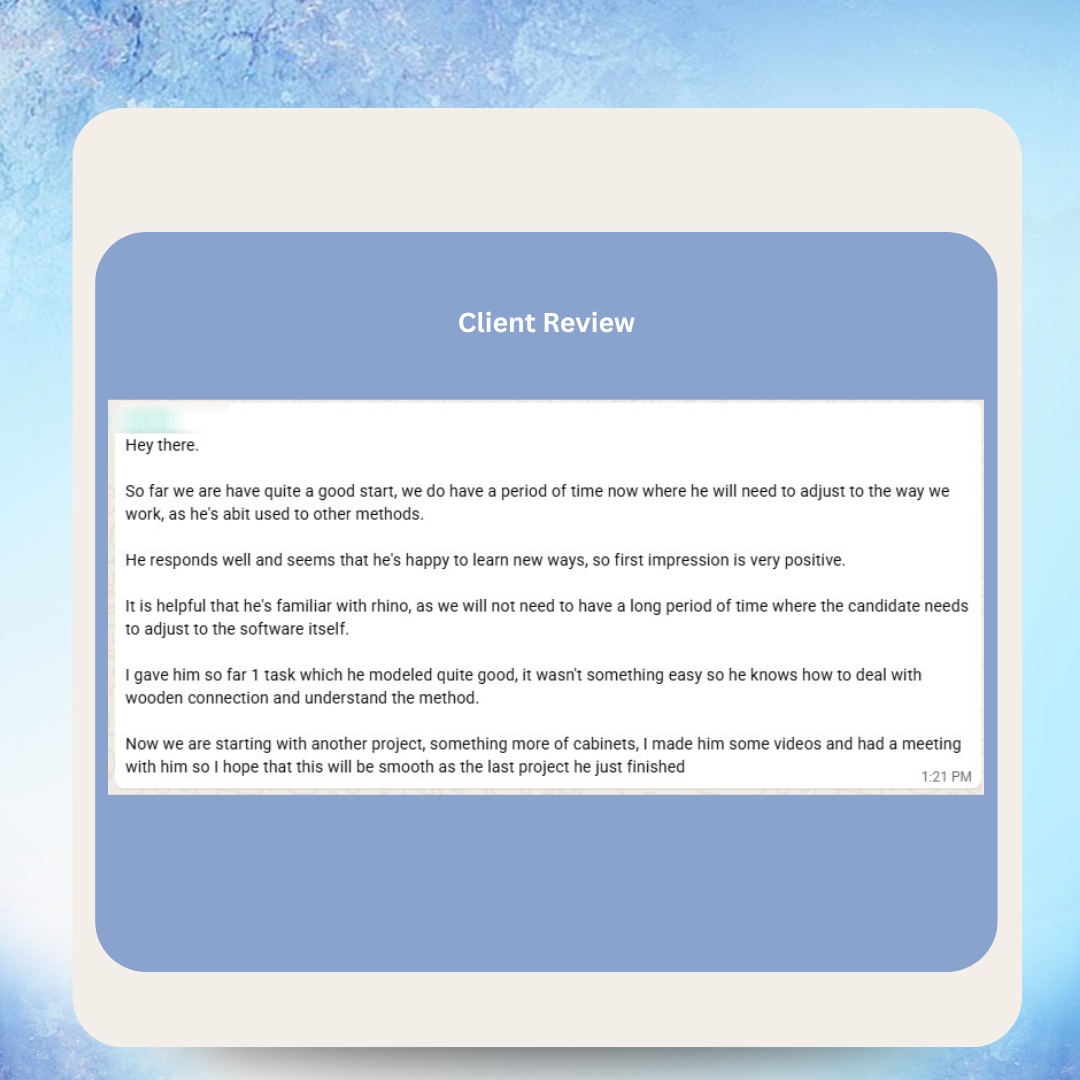
Real Messages from Real Clients


Hear From Our VAs



As Featured In






Frequently Asked Questions
What are the legal requirements for hiring remote workers in the Philippines?
For most businesses hiring 1-20 remote workers as independent contractors (the most common model), there are minimal legal requirements. You do not need to establish a Philippine entity, withhold Philippine taxes, or comply with Philippine labor law. You need a clear contractor agreement with IP assignment and NDA provisions. When hiring through VA Masters, we handle all compliance requirements on your behalf.
How do I pay remote workers in the Philippines?
The simplest method is through an agency like VA Masters — you pay a single invoice and we handle contractor payments. For direct payments, Wise (TransferWise) offers the best combination of low fees and fast delivery. PayPal is widely accepted but charges higher fees (3-5%). Pay on a regular schedule — typically the 1st and 15th of each month — and never pay late. Reliable payment is the foundation of a strong remote working relationship.
What is the best time zone overlap with the Philippines?
The Philippines is UTC+8, which is 12-13 hours ahead of US Eastern time. Most Filipino remote workers are comfortable working US business hours (their evening shift). For European businesses, the overlap is better — Philippine afternoon aligns with European morning. For Australian businesses, the overlap is nearly perfect. Regardless of your location, define core overlap hours for real-time collaboration and use async tools for everything else.
How much does it cost to build a remote team in the Philippines?
Through VA Masters, rates range from $7 to $15 per hour depending on skill level and specialization. A team of 3 full-time VAs costs $3,360-$7,200 per month. A team of 5 costs $5,600-$12,000 per month. Add 10-15% for tools and infrastructure. These rates represent up to 80% savings compared to building the same team in the US, where equivalent roles cost $4,000-$8,000 per person per month.
What are the most important Filipino holidays to be aware of?
Holy Week (Maundy Thursday through Easter — many Filipinos are unavailable for the entire week), Christmas season (December 24-January 1 — the most important holiday period), and Independence Day (June 12). The Philippines has 18-20 public holidays per year. Discuss holiday policies during onboarding. Many businesses give Filipino holidays plus 2-3 additional days of their choosing. Always provide the expected 13th month bonus in December.
How do I manage a remote team I have never met in person?
Use the same principles as any remote management: clear expectations documented in writing, daily async standups, weekly video one-on-ones, a single project management tool as the source of truth, and regular recognition. Filipino professionals are experienced in remote work and respond well to structured management with personal warmth. Build the relationship through consistent communication, genuine interest in their wellbeing, and respect for their culture.
What is 13th month pay and is it required?
13th month pay is a year-end bonus equal to one month's salary, required by Philippine law for employees and culturally expected for contractors. It is typically paid in December before Christmas. Even if your remote workers are classified as independent contractors, providing this bonus is strongly expected and is one of the most important retention practices. Budget for it from the beginning — it is effectively a 8.3% annual cost increase that pays for itself through reduced turnover.
How do I handle internet and power outages in the Philippines?
Require all remote workers to have backup internet (a mobile data plan at minimum). Encourage a UPS (uninterruptible power supply) for 15-30 minutes of computer runtime during power outages. Establish a notification protocol — team members text or message via mobile when they experience an outage. Build reasonable flexibility into deadlines during typhoon season (June-November). Infrastructure reliability has improved dramatically in recent years but occasional interruptions still occur.
What should I look for when hiring Filipino remote workers?
Beyond role-specific skills: fluent written and spoken English, reliable internet and workspace setup, experience with remote work tools (Slack, Zoom, Google Workspace), self-management ability, and proactive communication. VA Masters screens for all of these through our 6-stage recruitment process. For direct hiring, include a practical test in your interview process — have candidates complete a sample task that demonstrates both technical ability and communication quality.
How do I scale from one VA to a full remote team?
Scale gradually: start with 1-3 people under direct management, promote a team lead at 4-7 people, create departmental structure at 8-15 people, and hire an operations manager at 15+. Document processes from day one, establish communication norms early, and invest in team culture at every stage. VA Masters supports scaling by providing recruitment for new roles, team lead recommendations, and management advisory as your team grows.
Ready to Get Started?
Join 500+ businesses who trust VA Masters with their teams.
- No upfront payment required
- No setup fees
- Only pay when you are 100% satisfied with your VA

Anne is the Operations Manager at VA MASTERS, a boutique recruitment agency specializing in Filipino virtual assistants for global businesses. She leads the end-to-end recruitment process — from custom job briefs and skills testing to candidate delivery and ongoing VA management — and has personally overseen the placement of 1,000+ virtual assistants across industries including e-commerce, real estate, healthcare, fintech, digital marketing, and legal services.
With deep expertise in Philippine work culture, remote team integration, and business process optimization, Anne helps clients achieve up to 80% cost savings compared to local hiring while maintaining top-tier quality and performance.
Email: [email protected]
Telephone: +13127660301