

Outsourcing Contracts: What to Include and Watch Out For
Every successful outsourcing relationship is built on a foundation of clear, well-structured agreements. Yet most businesses rush through the contract phase, eager to start working with their new virtual assistants or outsourced team. They copy a generic template from the internet, tweak a few names and dates, and call it done. Six months later, when a dispute about deliverable quality surfaces or a contractor leaves with proprietary knowledge, they discover that the thirty minutes they saved on contract drafting cost them thousands of dollars and weeks of operational disruption.
A strong outsourcing contract is not a bureaucratic formality. It is the document that protects both parties, sets expectations clearly, prevents misunderstandings before they happen, and provides a resolution framework when things inevitably go wrong. Whether you are hiring a single virtual assistant or assembling an entire offshore team, the contract you sign determines the rules of the relationship.
VA Masters has facilitated 1,000+ VA placements and navigated the contract complexities that come with building outsourcing relationships across borders. This guide distills everything we have learned about outsourcing contracts into a practical resource. We will cover every clause that matters, explain why it matters, highlight the red flags that should stop you from signing, and show you how to protect your business while building partnerships that save you up to 80% compared to local hiring. No legal jargon, no filler. Just the information you need to get your outsourcing contracts right the first time.
Why Outsourcing Contracts Matter More Than You Think
An outsourcing contract is more than a piece of paper you file away and forget. It serves four critical functions that directly impact the success of your outsourcing relationship and the health of your business.
Expectations Alignment
The number one reason outsourcing relationships fail is misaligned expectations. The client expects 40 hours of availability per week; the contractor understood the arrangement as project-based. The client expects real-time responsiveness during US business hours; the contractor planned to work during Philippine daytime. The client expects the VA to handle tasks independently; the contractor expected detailed instructions for every assignment. These misunderstandings do not happen because anyone is dishonest. They happen because assumptions were never documented and agreed upon. A thorough contract eliminates the assumption gap by making every expectation explicit.
Legal Protection
When you outsource work to another country, you are operating across legal jurisdictions. If something goes wrong — intellectual property theft, data breach, quality failure, abandonment of work — you need a contract that specifies which laws apply, what remedies are available, and how disputes are resolved. Without this framework, pursuing legal recourse across international borders is expensive, slow, and often futile. A well-drafted contract provides the legal scaffolding that makes cross-border accountability possible.
Relationship Quality
Counterintuitively, the best contracts make relationships stronger, not more adversarial. When both parties understand their obligations, boundaries, and protections, they can focus on the work instead of navigating ambiguity. Contracts prevent the slow erosion of trust that happens when small misunderstandings accumulate over time. They create a shared reference point that both parties can return to when questions arise.
Business Continuity
What happens if your outsourced team member gets a better offer and leaves? What happens if you need to scale down quickly due to a market shift? What happens if the quality of work declines gradually over six months? Your contract should answer every one of these questions before they become emergencies. Businesses that plan for these scenarios in their contracts navigate transitions smoothly. Businesses that do not scramble reactively and often lose weeks of productivity and significant money in the process.
Key Insight
A Deloitte survey of 500 enterprises found that 67% of outsourcing disputes originate from vague or incomplete contract terms rather than deliberate bad faith. The overwhelming majority of outsourcing conflicts are preventable with better contracts. The time you invest in getting your contract right is the most cost-effective risk mitigation you can do in your entire outsourcing strategy.
Scope of Work: The Foundation of Everything
The scope of work (SOW) is the most important section of any outsourcing contract. It defines what work will be done, how it will be done, and what the deliverables look like. A vague SOW is a guaranteed path to disputes. A precise SOW is the foundation of a productive partnership.
What to Include in Your SOW
Start with a clear description of each task or responsibility the outsourced team member will handle. Do not write "administrative support." Write "email inbox management (triage, respond to routine inquiries, flag urgent items for review), calendar scheduling (coordinating meetings across three time zones, managing reschedules), travel booking (domestic and international flights, hotel reservations, ground transportation), and document preparation (formatting reports in Google Docs, creating presentation slides in Google Slides, converting documents between formats)." The more specific you are, the less room there is for misinterpretation.
Deliverables and Quality Standards
For every task category, define what a successful deliverable looks like. If the VA manages your email inbox, specify: all emails triaged within 2 hours of receipt, routine inquiries responded to using approved templates within 4 hours, urgent items flagged to you via Slack within 15 minutes. If the VA creates reports, provide a template or example that defines the expected format, depth, and quality level. Subjective terms like "high quality" or "professional" are meaningless without concrete examples to anchor them.
Hours, Availability, and Scheduling
Specify the exact working hours, time zone, and availability expectations. "Full-time" means different things in different countries — in the Philippines, full-time is typically 8 hours per day, 5 days per week. Define which days are working days, what the core hours are (the hours when the VA must be online and available), and how flexibility is handled (can hours shift for occasional personal needs? Is there a notification requirement?). Also specify holiday policies — will the VA observe Philippine holidays, your country's holidays, or a specific list?
Tools and Access Requirements
List every tool, software platform, and system the VA will need access to. Specify who provides the licenses (you or the contractor), what level of access is granted (admin, editor, viewer), and the security protocols for access (two-factor authentication, VPN requirements, password manager usage). This section prevents the awkward situation where work cannot start on day one because access was not set up, and it provides a clear inventory for access revocation when the engagement ends.
Change Management
The scope of work will evolve over time — new tasks will be added, priorities will shift, and processes will change. Your contract should define how scope changes are managed. Who can authorize changes? How are additional tasks documented? Is there a process for re-evaluating rates if the scope changes significantly? Without a change management clause, scope creep happens silently until one party feels taken advantage of and the relationship deteriorates.
When working with VA Masters, we help define the scope of work during our matching process. We understand Filipino work culture and can translate your business needs into clear, actionable SOW language that both you and your VA will understand. This upfront investment in clarity is why our placements have a significantly higher success rate than self-managed outsourcing arrangements.
Service Level Agreements and Performance Metrics
A Service Level Agreement (SLA) translates your quality expectations into measurable standards. Without SLAs, "good performance" is whatever each party decides it is on any given day. With SLAs, both parties share a concrete, measurable definition of success.
Response Time SLAs
Define how quickly the outsourced worker should respond to different types of communication. Tier your response times by urgency: critical issues (system down, client emergency) might require a response within 15 minutes during working hours, standard requests within 2 hours, and non-urgent items within one business day. Be realistic — a response time SLA that demands instant replies to every message creates anxiety without improving productivity. Focus on what genuinely matters for your business operations.
Task Completion SLAs
Specify expected turnaround times for recurring tasks. Daily reports delivered by 9 AM your time. Client inquiries resolved within 24 hours. Social media posts scheduled 48 hours in advance. Invoice processing completed within 3 business days of receipt. These SLAs create predictability in your operations and give both parties a clear benchmark for measuring performance.
Quality Metrics
Quality is harder to measure than speed, but it is equally important to define. Establish quality metrics that are specific to the work: error rate in data entry (less than 0.5%), customer satisfaction scores for support work (above 90%), on-time delivery percentage (above 95%), or first-call resolution rate for customer service (above 80%). Review these metrics regularly — monthly is typically the right cadence — and use them as the basis for performance conversations rather than subjective impressions.
Reporting and Review Cadence
Your contract should specify how and when performance is reported and reviewed. Common structures include daily activity logs (submitted at end of shift), weekly summaries (submitted every Friday), monthly performance reviews (scheduled meetings to discuss metrics, feedback, and development), and quarterly business reviews (higher-level discussions about the relationship, scope evolution, and strategic alignment). Define who is responsible for generating reports, what format they should follow, and what happens when metrics fall below the agreed thresholds.
Consequences for SLA Breaches
An SLA without consequences is a suggestion, not an agreement. Define what happens when SLAs are not met. For occasional breaches, the consequence might be a documented conversation and corrective action plan. For persistent or severe breaches, consequences might include a formal performance improvement plan with a defined timeline, rate adjustments, or ultimately, termination of the agreement. The goal is not to create a punitive environment — it is to establish accountability that motivates consistent performance.
SLA Exceptions
Be realistic about situations where SLAs cannot be met through no fault of the outsourced worker. Internet outages during Philippine typhoon season, power failures, personal emergencies, and public holidays should all be accounted for in your SLA exceptions. Filipino professionals take their work seriously — penalizing them for circumstances beyond their control damages trust and motivation. Build reasonable exceptions into your agreement from the start.
Payment Terms, Rates, and Billing Structures
Money is the most sensitive topic in any outsourcing contract, and vague payment terms are one of the fastest ways to destroy an otherwise strong working relationship. Get the financial details right in your contract and you prevent the most common source of friction in outsourcing.
Rate Structure Options
Outsourcing engagements typically use one of three rate structures. Hourly rates are the most common for virtual assistant arrangements — you pay for actual hours worked, typically tracked through a time-tracking tool. This is flexible and transparent but requires trust in time reporting. Monthly retainers guarantee a set number of hours or a fixed monthly fee for a defined scope of work. This provides cost predictability and simplifies budgeting. Project-based pricing sets a fixed price for a defined deliverable — ideal for one-time projects but less suitable for ongoing VA relationships where scope evolves.
Payment Schedule and Methods
Specify exactly when payments are due and how they are made. Common payment schedules for outsourcing include bi-monthly (1st and 15th — aligns with Philippine pay culture), monthly (due on the 1st or last day of the month), and upon invoice receipt with a specified net period (Net 7, Net 15, or Net 30). When working through an agency like VA Masters, you receive a single invoice that covers everything — simplifying your accounts payable process considerably. For direct hiring, specify the payment method (Wise, PayPal, Payoneer, or bank transfer) and who bears the transaction fees.
Currency and Exchange Rate Terms
Cross-border payments involve currency conversion. Your contract should specify which currency the rate is denominated in (typically USD), who bears the exchange rate risk (usually the receiving party), and whether rates are fixed or adjusted for significant currency fluctuations. Most outsourcing contracts fix the rate in USD, which means the contractor absorbs exchange rate fluctuations when converting to Philippine Pesos. This is standard practice, but it is worth stating explicitly to prevent future disputes.
Overtime, Bonuses, and Additional Compensation
Define how overtime is handled. Is it available? Is it pre-approved or automatic? What is the overtime rate? Many outsourcing contracts specify that overtime must be pre-approved in writing and is compensated at the standard hourly rate (not the 1.5x or 2x common in US employment). Also address bonuses — particularly the 13th month bonus that is culturally expected in the Philippines. Specifying bonus terms in the contract prevents awkward conversations in December.
Rate Review and Adjustment
Include a clause for periodic rate review. The Philippine outsourcing market evolves, cost of living increases, and your worker's skills grow over time. A common structure is an annual rate review with adjustments based on performance, market rates, and inflation. This clause shows the worker they have a future in your organization and reduces the temptation to seek higher-paying opportunities elsewhere. VA Masters provides market rate guidance to help clients set competitive rates that balance cost savings with retention.
Late Payment Terms
Specify what happens if a payment is late. Common provisions include a grace period (3-5 business days), a late payment fee (1.5% per month on the outstanding balance), and the contractor's right to suspend work after a defined period of non-payment (typically 15-30 days). These terms protect the contractor — and they should. Reliable payment is the foundation of a strong outsourcing relationship, and contract terms that enforce timeliness benefit both parties by preventing the slow erosion of trust that comes from chronic late payments.
Pro Tip
Always pay your outsourced team on time. In the Philippines, many professionals support extended families and plan their finances around specific pay dates. A payment that is even a few days late can create real financial stress. If you encounter a cash flow issue that affects payment timing, communicate proactively — a one-week delay that is communicated in advance is manageable, while the same delay without warning damages trust significantly. Set up automatic payments whenever possible.
Intellectual Property and Ownership Clauses
Intellectual property (IP) is where outsourcing contracts become critically important. Without clear IP provisions, you risk paying for work that you do not legally own. This section alone justifies the cost of having a lawyer review your outsourcing contract.
Work Product Ownership
The default legal position in most jurisdictions is that independent contractors own the work they create — unlike employees, whose work typically belongs to the employer automatically. This means that without an explicit IP assignment clause, your virtual assistant may technically own the marketing copy they write, the graphics they design, the code they develop, and the strategies they create for your business. Your contract must include a clear, unambiguous clause stating that all work product created during the engagement is owned by you (or your company) from the moment of creation. This is non-negotiable.
Pre-Existing IP
Your contractor may bring pre-existing intellectual property to the engagement — templates they have developed, processes they have refined, tools they have built. Your contract should address what happens with pre-existing IP. The standard approach is that pre-existing IP remains owned by the contractor, but they grant you a perpetual, non-exclusive license to use any pre-existing IP that is incorporated into your work product. This is fair to both parties and prevents disputes about ownership of tools and methods the contractor developed before your engagement began.
Third-Party IP
Ensure your contract includes a clause requiring the contractor to warrant that their work does not infringe on third-party intellectual property. If your VA uses a stock photo without proper licensing, copies marketing language from a competitor, or incorporates open-source code with restrictive licenses into your software, you could face legal liability. The contractor should represent and warrant that all work product is original or properly licensed, and should indemnify you against claims of IP infringement.
Moral Rights
In some jurisdictions, creators have "moral rights" to their work — the right to be credited as the author and to prevent modifications they find objectionable. Philippine law recognizes moral rights under the Intellectual Property Code (Republic Act 8293). Your contract should include a waiver of moral rights to the extent permitted by law, ensuring you can modify, adapt, and use the work product freely without attribution or approval requirements.
IP Protections for Specific Work Types
Different types of work require different IP considerations. For software development, specify that all source code, documentation, and related materials are your property, and require the contractor to use your code repositories (not personal ones). For creative content (writing, design, video), include an assignment of copyright that covers all media and formats. For business processes and strategies, acknowledge that while specific implementations are your property, the contractor retains general knowledge and skills gained during the engagement. For customer data and business intelligence, make clear that all data collected or analyzed belongs to you and cannot be retained after the engagement ends.
Common Mistake
Do not assume that paying for work automatically means you own it. In most legal jurisdictions, independent contractors retain ownership of their work product unless there is a written agreement assigning ownership to the client. If your outsourcing contract does not include an explicit IP assignment clause, you may be paying for work you do not legally own. This is especially important for code, designs, and content that form core business assets. VA Masters includes comprehensive IP assignment provisions in all our agreements to protect our clients' ownership rights.
Confidentiality, NDA, and Data Protection
When you outsource work, you inevitably share sensitive business information with people outside your organization. Confidentiality provisions protect that information and define the boundaries of trust in your outsourcing relationship.
What Constitutes Confidential Information
Define confidential information broadly but clearly. It should include: customer lists and contact information, financial data and business metrics, business strategies and plans, proprietary processes and methodologies, trade secrets, employee and contractor information, pricing structures, vendor relationships, unpublished marketing materials, and any information marked as confidential. Also specify what is NOT confidential: information that is publicly available, information the contractor already knew before the engagement, and information received from a third party without confidentiality obligations.
Non-Disclosure Agreement Terms
Your NDA should specify the obligations of the receiving party (the contractor): they must keep confidential information secret, use it only for the purpose of performing their work, limit disclosure to individuals who need to know, take reasonable security measures to protect it, and promptly notify you of any unauthorized disclosure. The NDA should survive the termination of the contract — typically for 2-5 years after the engagement ends, or indefinitely for trade secrets. This means the contractor's obligation to protect your information continues even after they stop working for you.
Data Protection and Privacy Compliance
If your business handles personal data subject to regulations like GDPR, CCPA, HIPAA, or other privacy frameworks, your outsourcing contract must address data protection compliance. Include a data processing agreement (DPA) that specifies what personal data the contractor will access, the purpose and legal basis for processing, security measures required, data breach notification procedures (typically within 24-48 hours), and the contractor's obligation to delete or return personal data upon termination. The Philippines' Data Privacy Act of 2012 (Republic Act 10173) provides a solid legal framework that aligns well with GDPR principles, making Filipino outsourcing partners well-suited for data-sensitive work.
Security Requirements
Specify the security measures your contractor must implement. Common requirements include: using encrypted internet connections (VPN when accessing sensitive systems), maintaining up-to-date antivirus software, using a dedicated work device (not shared with family members), enabling two-factor authentication on all business accounts, using a password manager for credential storage, and locking screens when stepping away from the workstation. These requirements should be proportional to the sensitivity of the data being accessed — a VA managing your email inbox needs different security measures than a VA processing financial transactions.
Non-Compete and Non-Solicitation
Consider whether your contract needs non-compete or non-solicitation clauses. A non-compete prevents the contractor from working with your direct competitors during and after the engagement. A non-solicitation prevents the contractor from recruiting your employees or clients. These clauses are common but should be reasonable in scope and duration — overly broad non-competes may be unenforceable and can discourage talented contractors from working with you. In the Philippines, courts generally enforce reasonable non-compete clauses (typically 6-12 months, limited geographic and industry scope) but may void those deemed excessively restrictive.
Termination Clauses and Exit Strategy
Every outsourcing relationship ends eventually. The termination clause defines how it ends, protecting both parties from the chaos of an unplanned separation. A good termination clause is like a prenuptial agreement — you hope you never need it, but you will be very glad you have it if you do.
Termination for Convenience
Either party should have the right to terminate the agreement without cause, given adequate notice. The standard notice period for outsourcing contracts ranges from 14 to 30 days. This gives the client time to transition work and the contractor time to find new opportunities. Specify whether the notice period is paid (most contracts require payment through the notice period, even if work tapers off). Termination for convenience is the most common way outsourcing relationships end, and having a clear, fair process for it prevents the guilt and awkwardness that sometimes accompanies ending a professional relationship.
Termination for Cause
Define the circumstances that warrant immediate termination without the standard notice period. Common grounds for cause-based termination include: breach of confidentiality or NDA, theft or fraud, gross negligence or willful misconduct, persistent failure to meet SLAs after a performance improvement plan, material breach of contract terms that is not cured within a specified period (typically 7-14 days after written notice), and illegal activity. Termination for cause typically does not require a notice period but should require written documentation of the cause.
Transition and Knowledge Transfer
Your contract should require a transition period during which the outgoing contractor documents processes, transfers knowledge, trains a replacement if available, and hands over all work product, credentials, and access. Define the transition responsibilities explicitly: the contractor must provide updated SOPs for all tasks, a list of all accounts and access credentials, status updates on all pending work, and any other materials necessary for business continuity. Without this clause, you risk losing institutional knowledge when a contractor departs — and rebuilding that knowledge is expensive and time-consuming.
Access Revocation
Include a clause requiring immediate return or destruction of all confidential information and company property upon termination. Specify that all access credentials will be changed, all company data on personal devices will be deleted, and all physical materials (if any) will be returned. The contract should give you the right to audit the contractor's compliance with this requirement. VA Masters handles access revocation as part of our offboarding process, ensuring that departing VAs no longer have access to any client systems or data.
Final Payment and Outstanding Obligations
Define the financial terms of termination. When is the final payment due? Are there any holdback provisions (retaining a portion of the final payment until transition is complete)? What happens to accrued bonuses or benefits? If the contractor is owed money, specify that payment will be made within a defined period (typically 15-30 days) after the termination date, contingent on completion of transition responsibilities. Fair financial treatment during termination protects your reputation as a client — the outsourcing community is small, and how you treat departing team members affects your ability to attract top talent in the future.
Dispute Resolution and Governing Law
Disputes happen in every business relationship. What matters is not whether disputes occur but how they are resolved. Your contract should establish a clear, efficient dispute resolution framework that prevents minor disagreements from escalating into costly legal battles.
Governing Law
Specify which jurisdiction's laws govern the contract. For US-based businesses outsourcing to the Philippines, the most common choice is the law of the US state where the client is headquartered. This gives the client home-court advantage if legal proceedings become necessary. However, enforcement of judgments across international borders adds complexity. Some businesses choose Philippine law if they have a significant presence there, or neutral jurisdictions like Singapore for larger engagements. The key is making an explicit choice — without a governing law clause, determining jurisdiction becomes the first (and most expensive) dispute.
Escalation Procedures
Before resorting to formal dispute resolution, define an escalation process for resolving disagreements informally. A typical escalation ladder includes: direct discussion between the parties within 5 business days of the issue arising, escalation to management (or the agency, if you are working through VA Masters) within 10 business days, mediation by a mutually agreed neutral third party within 30 business days, and formal arbitration or legal proceedings only if all prior steps fail. Most outsourcing disputes are resolved at the first or second escalation level when both parties approach the process in good faith.
Mediation
Mediation involves a neutral third party helping both sides reach a mutually acceptable resolution. It is less expensive, faster, and less adversarial than arbitration or litigation. Include a mediation clause that specifies who provides mediation services (organizations like the American Arbitration Association or the Philippine Dispute Resolution Center), who pays for mediation (typically split equally), and a timeline for completing the mediation process. Mediation preserves relationships — an important consideration if you value the outsourcing partnership and want to continue working together after the dispute is resolved.
Arbitration
If mediation fails, arbitration is the next step. Arbitration is a private, binding process where an arbitrator (or panel) hears both sides and issues a decision. It is faster and less expensive than litigation, and the proceedings are confidential. Your contract should specify the arbitration rules (AAA, JAMS, or ICC are common), the number of arbitrators (one for smaller disputes, three for larger ones), the location of arbitration, and the language of proceedings. Arbitration awards are enforceable internationally under the New York Convention, which the Philippines has signed — making arbitration particularly practical for cross-border outsourcing disputes.
Limitation of Liability
Include a clause limiting each party's liability. The standard approach caps total liability at the fees paid during a specified period (typically the preceding 12 months). Also exclude consequential, indirect, and punitive damages — these can be disproportionate to the value of the outsourcing engagement and create unfair exposure for both parties. Limitation of liability clauses are standard in outsourcing contracts and protect both the client and the contractor from catastrophic financial exposure resulting from the engagement.
See What Our Clients Have to Say
Red Flags and Common Contract Pitfalls
Knowing what to include in your outsourcing contract is only half the battle. Knowing what to watch out for is equally important. Here are the red flags and pitfalls that cost businesses the most money and headaches in outsourcing relationships.
The "Everything Is Included" Scope
Beware contracts with vaguely defined scopes like "general administrative support" or "all marketing activities." These open-ended descriptions create an expectation gap where the client believes any task is fair game while the contractor believes they signed up for a specific set of responsibilities. The fix is straightforward: enumerate every task category in the scope of work and establish a change management process for adding new responsibilities.
No Performance Metrics
A contract without SLAs or performance metrics gives you no objective basis for evaluating the outsourced worker's performance. Without metrics, performance conversations become subjective and often uncomfortable. Disputes about quality devolve into "he said, she said" situations with no resolution framework. Always define measurable standards for the work being performed.
One-Sided Termination Rights
Watch for contracts that give one party significantly more favorable termination rights than the other. If the service provider can terminate with 7 days' notice but the client is locked into a 6-month minimum commitment with 90 days' notice, the contract is imbalanced. Both parties should have reasonable, symmetrical termination rights. An imbalance in termination rights signals an imbalance in the overall relationship.
Automatic Renewal Without Notification
Some contracts automatically renew for a new term unless one party provides notice within a narrow window (often 30-60 days before renewal). This can trap you in a contract you want to exit. Ensure any automatic renewal clause includes adequate notice requirements, gives you a reasonable window to opt out, and does not include price escalation without your explicit agreement. Better yet, structure the contract as month-to-month after an initial term, giving both parties ongoing flexibility.
Missing or Weak IP Assignment
The absence of a clear IP assignment clause is the single most dangerous contract omission for clients. Without it, the contractor may legally own the work product you paid for. Even a clause that grants you a "license" to use the work (rather than outright ownership) can create problems if you want to modify, resell, or build upon the work. Insist on full assignment of all intellectual property rights in all work product.
Penalty Clauses Disguised as Fees
Some contracts include penalty provisions disguised as "administrative fees" or "service charges." An early termination fee of 3 months' payment, a "training recovery fee" if the contractor is released within 6 months, or a "reactivation fee" for restarting services after a pause — these are penalty clauses, and they can be expensive. Negotiate to remove or reduce penalties that are disproportionate to any actual cost the other party incurs.
No Confidentiality Survival Clause
Confidentiality obligations that expire when the contract ends are dangerously inadequate. Your business secrets do not become less sensitive the day after a contract terminates. Ensure confidentiality obligations survive the contract's termination — typically for 2-5 years for general confidential information and indefinitely for trade secrets.
Key Insight
The most dangerous contract clause is the one that is missing. Omissions create ambiguity, and ambiguity breeds disputes. Before signing any outsourcing contract, review it against a comprehensive checklist: scope of work, SLAs, payment terms, IP assignment, confidentiality, termination, dispute resolution, data protection, and insurance. If any major area is missing, do not sign until it is addressed. The thirty minutes it takes to add a missing clause can save you months of legal disputes.
Contractor vs. Employee Classification
One of the most significant legal risks in outsourcing is worker misclassification. Treating a contractor like an employee — or vice versa — can trigger tax liability, penalties, and legal exposure in both your jurisdiction and the Philippines.
Why Classification Matters
Tax authorities in the US, UK, Australia, and other countries are increasingly scrutinizing outsourcing arrangements to determine whether workers classified as independent contractors are actually functioning as employees. If a contractor is reclassified as an employee, you may owe back taxes, benefits, penalties, and interest. In the US, the IRS can impose a "Section 530 penalty" and the worker may be entitled to employment benefits retroactively. The financial exposure can be substantial — back taxes, penalties, and benefits claims can easily exceed the total cost of the outsourcing engagement itself.
Factors That Determine Classification
While the specific tests vary by jurisdiction, most authorities consider similar factors: behavioral control (do you control how the work is done, or just what the result should be?), financial control (does the worker have an opportunity for profit or loss, invest in their own equipment, and offer services to others?), and relationship type (is there a written contract defining the relationship as contractor? Does the worker receive benefits? Is the relationship permanent or project-based?). The more control you exercise over how, when, and where the work is done, the more likely the relationship will be classified as employment.
How to Maintain Contractor Status
To ensure your outsourcing arrangement is properly classified as a contractor relationship, structure it correctly from the start. Your contract should explicitly define the relationship as independent contractor (not employment). The contractor should have flexibility in how they perform the work (you define the outcome, not the method). The contractor should provide their own equipment and workspace. The contractor should be free to work for other clients. You should not provide employment-style benefits (health insurance, paid vacation, retirement contributions). Payment should be based on deliverables or hours, not a salary.
The Agency Model Advantage
Working through an agency like VA Masters significantly reduces misclassification risk. The VA is a contractor of VA Masters, not your employee or contractor. You have a B2B service agreement with VA Masters, and we manage the worker relationship. This creates a clear separation that supports proper classification. It is one of the key structural advantages of the agency model over direct hiring for outsourcing — you get the operational benefit of a dedicated team member without the legal risks of direct employment in a foreign country.
For businesses that want to explore the full operational framework for remote Filipino teams, the classification question becomes even more important as you scale.
Cost and Pricing
Getting your outsourcing contract right does not have to be expensive. The real cost is getting it wrong. Here is what to expect when outsourcing through VA Masters with proper contractual protections in place.
These rates include VA Masters' comprehensive contractual framework covering IP assignment, confidentiality, SLAs, and all the protections discussed in this guide. You do not need to hire a lawyer to draft your own outsourcing contract from scratch — our agreements protect both you and the VA, and they reflect years of experience navigating the legal and practical realities of Philippines-based outsourcing. That translates to up to 80% savings compared to equivalent local hires, with contractual protections already built in.
For businesses that prefer to draft their own contracts for direct outsourcing relationships, budget $500-$2,000 for an attorney to review and customize an outsourcing contract template, plus $200-$500 annually for updates as your needs evolve. This is a modest investment relative to the protection it provides. For a detailed breakdown of outsourcing costs across different functions, see our outsourcing cost by function guide.

Since working with VA Masters, my productivity as CTO at a fintech company has drastically improved. Hiring an Administrative QA Virtual Assistant has been a game-changer. They handle everything from detailed testing of our application to managing tasks in ClickUp, keeping our R&D team organized and on schedule. They also create clear documentation, ensuring our team and clients are always aligned.The biggest impact has been the proactive communication and initiative—they don’t just follow instructions but actively suggest improvements and catch issues before they escalate. I no longer have to worry about scheduling or follow-ups, which lets me focus on strategic decisions. It’s amazing how smoothly everything runs without the usual HR headaches.This has saved us significant costs compared to local hires while maintaining top-notch quality. I highly recommend this solution to any tech leader looking to scale efficiently.
Detailed Job Posting
Custom job description tailored to your specific needs and requirements.
Candidate Collection
1,000+ applications per role from our extensive talent network.
Initial Screening
Internet speed, English proficiency, and experience verification.
Custom Skills Test
Real job task simulation designed specifically for your role.
In-Depth Interview
Culture fit assessment and communication evaluation.
Client Interview
We present 2-3 top candidates for your final selection.
Have Questions or Ready to Get Started?
Our team is ready to help you find the perfect match.
Get in Touch →| Feature | VA MASTERS | Others |
|---|---|---|
| Custom Skills Testing | ✓ | ✗ |
| Dedicated Account Manager | ✓ | ✗ |
| Ongoing Training & Support | ✓ | ✗ |
| SOP Development | ✓ | ✗ |
| Replacement Guarantee | ✓ | ~ |
| Performance Reviews | ✓ | ✗ |
| No Upfront Fees | ✓ | ✗ |
| Transparent Pricing | ✓ | ~ |
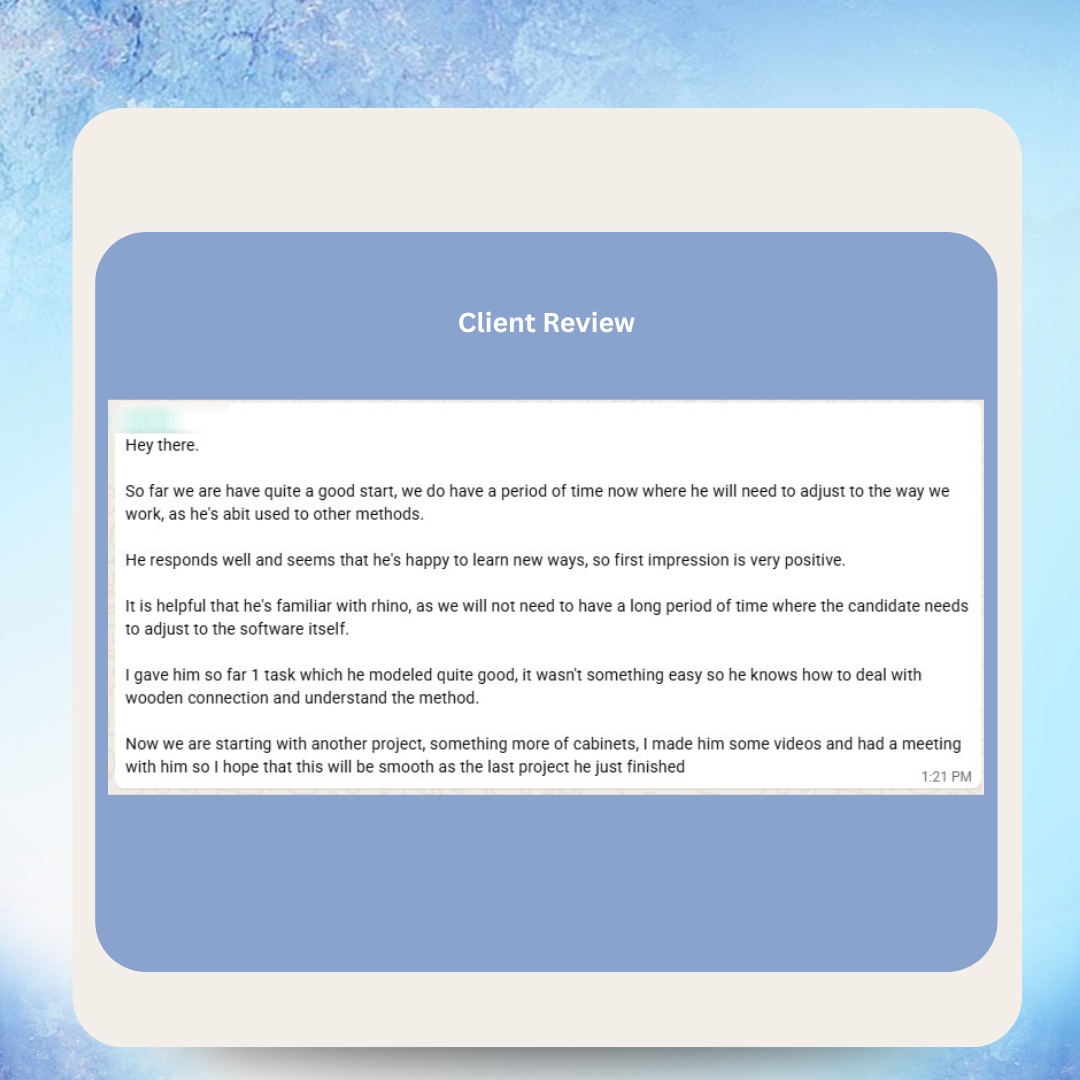
What Our Clients Say





Real Messages from Real Clients


Hear From Our VAs



As Featured In






Frequently Asked Questions
What are the most important clauses in an outsourcing contract?
The five most critical clauses are scope of work (defining exactly what work will be done), intellectual property assignment (ensuring you own all work product), confidentiality and NDA (protecting your business information), termination terms (defining how either party can end the relationship), and payment terms (specifying rates, schedules, and methods). Missing any of these creates significant legal and operational risk.
Do I need a lawyer to draft my outsourcing contract?
If you hire through an agency like VA Masters, our agreements include comprehensive legal protections and you typically do not need separate legal counsel. For direct outsourcing arrangements, we strongly recommend having an attorney review your contract — particularly the IP, confidentiality, and classification sections. Budget $500-$2,000 for contract review and customization. This investment prevents disputes that could cost many times more.
How do I protect my intellectual property when outsourcing?
Include an explicit IP assignment clause stating that all work product created during the engagement is your property from the moment of creation. Address pre-existing IP (the contractor keeps ownership but grants you a license), require warranties against IP infringement, and include a moral rights waiver. For code and software, require the contractor to use your repositories and version control systems exclusively.
What should the termination clause include?
Cover four scenarios: termination for convenience (either party, 14-30 days notice), termination for cause (immediate, for serious breaches), transition requirements (knowledge transfer, documentation, credential handover), and final payment terms (timing and conditions). Both parties should have symmetrical rights, and the confidentiality obligations should explicitly survive termination.
How do I avoid worker misclassification when outsourcing?
Structure the relationship correctly: use a written contract defining the relationship as independent contractor, allow flexibility in how work is performed, do not provide employment-style benefits, and ensure the worker can serve other clients. Working through an agency like VA Masters provides the strongest protection — the VA is our contractor, and you have a B2B service agreement with us, creating clear separation.
What is an SLA and why does my outsourcing contract need one?
A Service Level Agreement defines measurable performance standards — response times, task completion timelines, quality metrics, and availability requirements. Without SLAs, evaluating performance becomes subjective and disputes lack a resolution framework. Include specific, measurable thresholds with clear consequences for persistent breaches and reasonable exceptions for circumstances beyond the contractor's control.
How should outsourcing contracts handle data protection?
Include a data processing agreement specifying what personal data the contractor accesses, security measures required (VPN, encryption, two-factor authentication), breach notification timelines (24-48 hours), and data deletion or return upon termination. If your business is subject to GDPR, CCPA, HIPAA, or other regulations, ensure the contract includes specific compliance requirements for those frameworks.
What are common red flags in outsourcing contracts?
Watch for vague scope descriptions, missing IP assignment clauses, one-sided termination rights, automatic renewal without notification, excessive penalty fees, confidentiality obligations that expire with the contract, no performance metrics, and contracts that do not specify governing law. Any of these omissions or imbalances can create significant risk and should be addressed before signing.
Should my outsourcing contract include a non-compete clause?
Non-compete clauses can protect your competitive interests but must be reasonable in scope and duration. Filipino courts enforce non-competes that are limited to 6-12 months and specific to your direct competitors. Overly broad non-competes may be unenforceable and can discourage talented professionals from accepting your engagement. A well-crafted non-solicitation clause — preventing the contractor from recruiting your team or clients — is often more practical and enforceable.
How often should outsourcing contracts be reviewed and updated?
Review your outsourcing contract at least annually, or whenever there is a significant change in scope, responsibilities, or business requirements. Common triggers for contract updates include adding new task categories, changing working hours or availability requirements, adjusting rates, adding data protection requirements for new regulations, and scaling the team size. VA Masters conducts regular contract reviews as part of our client management process to ensure agreements stay current.
Ready to Get Started?
Join 500+ businesses who trust VA Masters with their teams.
- No upfront payment required
- No setup fees
- Only pay when you are 100% satisfied with your VA

Anne is the Operations Manager at VA MASTERS, a recruitment agency specializing in Filipino virtual assistants for global businesses. She leads the end-to-end recruitment process — from custom job briefs and skills testing to candidate delivery and ongoing VA management — and has personally overseen the placement of 1,000+ virtual assistants across industries including e-commerce, real estate, healthcare, fintech, digital marketing, and legal services.
With deep expertise in Philippine work culture, remote team integration, and business process optimization, Anne helps clients achieve up to 80% cost savings compared to local hiring while maintaining top-tier quality and performance.
Email: [email protected]
Telephone: +13127660301