

How to Outsource Real Estate Back Office: The Complete Guide for Agents, Teams, and Brokerages
What if the bottleneck in your real estate business is not lead generation — but everything that happens after a lead comes in? Most agents spend $2,000 to $5,000 per month on marketing and lead generation tools, then lose 30-40% of those leads because nobody follows up within the critical first five minutes. The listing presentation gets scheduled, but the pre-listing packet is not assembled until the night before. The contract is signed, but transaction coordination tasks pile up alongside new showings and client calls. Back-office work is not glamorous, but it is the infrastructure that determines whether your lead generation investment produces closings or just a full CRM and an empty calendar.
Real estate back-office operations encompass everything that supports the revenue-generating activities of an agent or team — transaction coordination, CRM management, listing administration, lead follow-up, document processing, compliance tracking, marketing coordination, and the dozens of administrative tasks that keep deals moving from contract to close. These functions are critical, time-intensive, and relentlessly repetitive. They also happen to be perfectly suited for outsourcing. Every task follows documented processes, uses digital platforms accessible from anywhere, and requires execution discipline rather than local market knowledge or in-person presence.
The Philippines has become the go-to talent source for real estate back-office support, and VA Masters is at the center of that shift. With 1,000+ VAs placed globally and deep experience in real estate operations, we connect agents and brokerages with pre-vetted Filipino VAs who understand transaction workflows, CRM platforms, MLS systems, and the cadence of real estate deal cycles. Our 6-stage recruitment process includes real estate-specific assessments, and we deliver qualified candidates within 2 business days — at up to 80% savings compared to hiring local administrative staff.
Why Outsource Real Estate Back Office Operations
The economics of real estate are brutal on time. A producing agent's highest-value activity is face-to-face interaction — meeting prospects, conducting showings, negotiating offers, and building relationships that generate referrals. Every hour spent on administrative tasks is an hour not spent on revenue-generating activities. Yet the administrative load is unavoidable: the National Association of Realtors estimates that agents spend 40-60% of their working hours on non-revenue activities including paperwork, scheduling, data entry, email management, and marketing coordination.
For a solo agent closing 30 transactions per year at an average commission of $8,000, that administrative overhead represents roughly $96,000 to $144,000 in opportunity cost — time that could have been spent generating an additional 12 to 18 closings. A full-time back-office VA at $7 to $12 per hour costs approximately $14,500 to $25,000 per year. If that VA frees up enough time for just 3 additional closings, the ROI is 100% or more. The math is even more compelling for teams and brokerages where administrative inefficiency compounds across multiple agents.
The Philippines offers structural advantages beyond cost. Filipino VAs bring strong English communication skills essential for client-facing correspondence, natural empathy that translates to warm follow-up messages, meticulous attention to detail critical for transaction documentation, and proven proficiency with the CRM and project management platforms that real estate operations depend on. The country's BPO industry has trained a workforce that excels at exactly the kind of systematic, process-driven work that real estate back offices require.
Key Insight
The highest-producing agents and teams in real estate all have one thing in common: they have systematized their back-office operations and delegated execution to support staff. The difference between a $200,000/year agent and a $500,000/year agent is rarely skill — it is leverage. Outsourcing your back office is not about cutting costs (though the savings are substantial). It is about creating the operational infrastructure that lets you operate at your highest capacity every working hour.
Back-Office Functions You Can Outsource
Real estate back-office operations cover a wide spectrum of administrative, marketing, and coordination tasks. Here is a comprehensive breakdown of what a qualified Filipino VA handles for agents, teams, and brokerages.
Transaction Support
Transaction coordination is the most immediately impactful function to outsource. Your VA manages the administrative workflow from accepted offer through closing — tracking deadlines, ordering inspections, coordinating with title companies, following up on contingency removals, managing document collection, and ensuring that no critical date slips through the cracks. A single missed deadline can delay a closing by weeks or kill a deal entirely. Your VA maintains a transaction management dashboard that gives you real-time visibility into every active deal without requiring you to track details yourself.
CRM and Database Management
Your CRM is only as valuable as the data inside it. Your VA maintains your database — updating contact information, logging interactions, tagging leads by source and status, setting follow-up reminders, managing drip campaigns, and ensuring that your pipeline data is accurate and actionable. They also execute lead follow-up sequences — responding to new inquiries within minutes, nurturing warm leads through scheduled touchpoints, and re-engaging cold leads through systematic outreach campaigns.
Listing Administration
From pre-listing preparation through post-closing, your VA handles the administrative side of every listing. They compile CMAs, prepare listing presentations, input listings into MLS, coordinate photography and staging appointments, create property descriptions, manage showing schedules through ShowingTime or similar platforms, process offers, and update listing status as deals progress. They handle the paperwork and coordination so you can focus on the client relationship and negotiation.
Marketing Coordination
Your VA creates and schedules social media content, designs marketing materials in Canva, manages email campaigns, coordinates print marketing production, updates your website, creates property flyers and brochures, manages online advertising campaigns, and tracks marketing performance metrics. They execute your marketing strategy consistently — something most agents fail at because marketing gets deprioritized when deals are active.
Financial and Compliance Administration
Your VA tracks commission income, manages expense records for tax purposes, reconciles trust account transactions (under broker supervision), maintains compliance documentation, processes referral agreements, and generates financial reports. For brokerages, they manage agent onboarding paperwork, license tracking, and regulatory compliance documentation. Agents who also need bookkeeping and accounting support can coordinate their real estate VA with a dedicated finance VA for comprehensive back-office coverage.
The most effective approach is to start with the functions consuming the most of your time. For most agents, that means transaction coordination and CRM management. Once those processes are running smoothly with your VA, expand to listing administration, marketing support, and financial management. This staged approach builds your VA's context gradually and lets you refine your systems before adding complexity.
Transaction Coordination: The Highest-Impact Outsource
Transaction coordination is where most real estate professionals first experience the transformative impact of outsourcing. A single residential transaction involves 30 to 50 distinct administrative tasks spanning 30 to 60 days — and a busy agent may have 5 to 10 transactions running simultaneously. Without dedicated support, critical deadlines get missed, follow-ups slip, and closings get delayed.
What Your VA Manages
Your transaction coordination VA maintains a master timeline for every active deal, tracking contingency dates, inspection deadlines, appraisal schedules, loan milestones, title search completion, HOA document delivery, final walkthrough scheduling, and closing date confirmation. They proactively follow up with all parties — lender, title company, inspector, appraiser, cooperating agent, and clients — to keep every transaction on schedule.
Specific tasks include opening escrow and distributing executed contracts, ordering title commitments and reviewing preliminary reports, scheduling and confirming inspections, tracking repair negotiations and completion, monitoring loan approval milestones and coordinating with lenders, managing document collection from all parties, preparing closing statements for review, coordinating final walkthrough scheduling, and confirming closing logistics. Your VA becomes the operational hub of every transaction, handling the coordination work while you handle the relationship work.
Tools for Transaction Coordination
Your VA works within your existing transaction management tools — Dotloop, SkySlope, Brokermint, Open to Close, or similar platforms. They also use your team's communication tools (Slack, email, phone) to coordinate with all transaction parties. Many of our VAs are already proficient in the major real estate transaction platforms from previous client work, reducing the onboarding learning curve significantly.
Impact on Your Business
Agents who outsource transaction coordination consistently report reclaiming 10-15 hours per week — time that was previously spent chasing documents, sending follow-up emails, and tracking deadlines. That recovered time directly translates to capacity for additional transactions. If you are currently closing 3 deals per month and spending 15 hours per month on transaction administration for each deal, reclaiming that 45 hours gives you enough capacity to add 1-2 additional closings per month. At even a modest average commission, that is $8,000 to $16,000 in additional monthly revenue from a VA investment of approximately $1,500 to $2,000 per month.
Pro Tip
Create a transaction coordination checklist template with every task, responsible party, and deadline formula (e.g., "inspection due 10 business days after contract execution"). Your VA uses this template for every new transaction, customizing dates based on the specific contract terms. This systematic approach ensures nothing falls through the cracks regardless of how many simultaneous transactions your VA manages. For more on building your remote real estate team, see our guide to outsourcing real estate admin.
See What Our Clients Have to Say
CRM and Lead Management
Your CRM is the central nervous system of your real estate business. But most agents treat it as a contact list rather than a lead conversion machine — and the gap between those two approaches is where tens of thousands of dollars in annual commission disappears. Your VA transforms your CRM from a passive database into an active pipeline management system.
Lead Follow-Up Execution
Speed to lead is the single most important factor in real estate lead conversion. MIT research shows that responding to a lead within 5 minutes makes you 100x more likely to connect than waiting 30 minutes. Yet most agents respond to web leads in 4-6 hours — long after the prospect has contacted other agents. Your VA monitors lead sources in real time, responding to new inquiries within minutes with personalized messages that open conversations rather than generic autoresponders that close them.
Beyond initial response, your VA executes systematic follow-up sequences for every lead in your pipeline. Hot leads receive daily contact. Warm leads receive weekly touchpoints. Nurture leads receive monthly value-add communications. Past clients receive quarterly check-ins and anniversary messages. Your VA executes these sequences consistently, ensuring that no lead goes cold from neglect — the most common and most expensive mistake in real estate lead management.
Database Maintenance
Your VA maintains the integrity of your CRM data — updating contact information from public records and social media, correcting duplicate entries, ensuring every contact has proper tags and categories, logging all communication history, and maintaining the data quality that makes your CRM useful for targeted marketing and pipeline analysis. They also import new contacts from networking events, open houses, and marketing campaigns, ensuring every potential lead enters your system promptly.
Pipeline Reporting
Your VA generates weekly pipeline reports showing new leads by source, follow-up completion rates, conversion rates by lead source, active prospect status, pending transaction progress, and upcoming follow-up obligations. These reports give you strategic visibility into your business health without requiring you to pull reports yourself — turning raw CRM data into decision-ready intelligence.
Common Mistake
Do not give your VA a CRM full of uncategorized contacts and expect them to figure out who is who. Before your VA starts, spend one focused session categorizing your database into clear segments — active buyers, active sellers, nurture leads, past clients, sphere of influence, vendors, and other agents. This categorization enables your VA to execute targeted follow-up from day one rather than spending their first weeks just organizing your data.
Listing Administration
Listing administration involves dozens of administrative tasks for each property you represent — from pre-listing preparation through marketing, showings, offers, and closing. Your VA handles the administrative execution while you focus on client relationships, pricing strategy, and negotiation.
Pre-Listing Preparation
Before your listing appointment, your VA assembles a comprehensive pre-listing package — compiling comparable sales data, creating a comparative market analysis presentation, preparing your listing agreement and disclosure documents, researching property history and tax records, gathering neighborhood statistics, and packaging everything into a professional presentation. They also coordinate pre-listing tasks like photographer scheduling, staging consultant appointments, and pre-inspection arrangements.
MLS and Marketing Launch
Once you have the listing agreement, your VA enters the listing into MLS with complete and accurate data — property details, features, disclosures, showing instructions, and photographs. They create property descriptions optimized for both MLS search and buyer appeal. They distribute the listing to syndication platforms, create property flyers and brochures in Canva, schedule social media posts promoting the listing, set up targeted online advertising campaigns, and coordinate any print marketing production. Your VA ensures maximum market exposure from the moment your listing goes live.
Showing Management and Offer Processing
Your VA manages showing requests through ShowingTime, CSS, or your preferred platform — confirming appointments, communicating with listing agents, collecting showing feedback, and compiling feedback reports for your seller clients. When offers come in, your VA organizes the documentation, creates offer comparison spreadsheets for multiple-offer situations, and prepares the administrative framework for your negotiation and decision-making.
VA Masters recruits listing administration VAs who understand real estate workflows and MLS platforms. Our assessments test candidates on property description writing, CMA compilation, MLS data entry accuracy, marketing material creation, and transaction document management. Every candidate we present has demonstrated practical real estate administrative competency — not just general VA experience.
Marketing and Social Media Support
Consistent marketing is the fuel that keeps your pipeline full. But marketing is the first thing most agents abandon when they get busy with active transactions — creating a boom-and-bust cycle where you market when you have no deals and stop marketing when you do. Your VA breaks this cycle by executing your marketing plan consistently regardless of how busy your deal pipeline is.
Social Media Management
Your VA creates and schedules social media content across Instagram, Facebook, LinkedIn, and other platforms. They design posts in Canva using your brand templates, write captions that engage your audience, schedule content using Buffer or Later, engage with comments and messages, and track performance metrics. They maintain a consistent posting cadence — 3 to 5 posts per week across platforms — that builds your online presence and keeps your brand visible to your sphere of influence.
Email Marketing
Your VA manages your email marketing campaigns — creating market update newsletters, just-listed and just-sold announcements, seasonal content, and value-add communications that keep you top-of-mind with your database. They segment your email list for targeted messaging, design emails in your email platform (Mailchimp, Constant Contact, BombBomb, or similar), track open and click rates, and optimize subject lines and content based on performance data.
Content Creation
Your VA creates blog posts, market reports, neighborhood guides, buyer and seller tips, and other content that demonstrates your expertise and improves your search engine visibility. They research local market statistics, compile data into readable formats, write content following your brand voice, and publish it across your website and social media channels. For agents building a long-term content strategy, this consistent output compounds over time — creating an evergreen library of content that generates organic traffic and positions you as a local market expert.
To understand the full scope of what a remote team can accomplish for your marketing, explore our guide on building a remote team in the Philippines.
Pro Tip
Create a monthly content calendar template that your VA fills in each month — 12 to 20 social media posts, 2 email newsletters, 1 blog post, and property-specific marketing for each new listing. Approve the calendar at the beginning of the month, and your VA executes it without requiring your daily input. This batch-approval process takes 30 minutes of your time per month and produces consistent marketing output that would otherwise require hours of weekly attention.
Tools and Platforms Your VA Will Use
Real estate back-office operations run on a technology stack that varies by market, brokerage, and team preference. Your VA should be proficient in — or able to quickly learn — the following categories of tools.
CRM and Lead Management
Follow Up Boss, kvCORE, BoomTown, CINC, Real Geeks, LionDesk, Wise Agent, HubSpot, and Salesforce. Your VA manages contact records, lead routing, follow-up sequences, pipeline tracking, and reporting within your CRM.
Transaction Management
Dotloop, SkySlope, Brokermint, Open to Close, Paperless Pipeline, and zipForms. Your VA manages document collection, deadline tracking, compliance checklists, and transaction status updates.
MLS and Property Data
Your local MLS system (varies by market), Zillow, Realtor.com, Redfin, RPR (Realtors Property Resource), and tax assessor databases. Your VA enters and maintains listing data, compiles market analyses, and monitors market activity.
Marketing and Design
Canva, Adobe Creative Suite, Mailchimp, Constant Contact, Buffer, Later, Hootsuite, and your website CMS. Your VA creates marketing materials, manages email campaigns, and maintains your online presence.
Communication and Productivity
Slack, Microsoft Teams, Google Workspace, Zoom, Calendly, and project management tools like Asana, Monday.com, or Trello. Your VA uses these for daily communication, scheduling, task management, and reporting.
Building Systems for Your VA
The success of real estate back-office outsourcing depends on the systems you build around your VA. Without documented processes, your VA is guessing at your preferences. With clear systems, they execute consistently and confidently.
Essential Systems to Build
Before your VA starts, document these core systems:
- Daily operations checklist: What your VA checks and handles every morning — new leads, CRM follow-ups, transaction deadlines, email inbox, social media engagement, and scheduled tasks.
- Transaction coordination playbook: Step-by-step process for each transaction stage — from opening escrow through closing — including responsible parties, standard timelines, and escalation triggers.
- Lead follow-up sequences: Response templates and timing for each lead type — new web leads, referrals, past client follow-ups, sphere of influence outreach, and re-engagement campaigns.
- Listing launch checklist: Every task required to bring a new listing to market — MLS entry, photography coordination, marketing creation, syndication, and promotional campaigns.
- Communication guidelines: How your VA communicates with clients, other agents, vendors, and you — tone, response times, escalation criteria, and approval requirements.
Screen Recordings Are Your Best Friend
Real estate platforms are visual and navigation-heavy. Written instructions for "enter the listing into MLS" leave enormous room for error. A 5-minute screen recording of you entering a listing — narrating which fields matter, where your brokerage has specific requirements, and what common mistakes to avoid — is worth 50 pages of written documentation. Use Loom, Scribe, or similar tools to record yourself performing each core task, and build a video SOP library your VA can reference anytime.
Key Insight
The best real estate VAs are not just task executors — they become extensions of your business personality. After 60-90 days of working with your leads, clients, and systems, your VA develops an intuitive understanding of how you operate, what your priorities are, and how you want situations handled. The investment in building good systems upfront creates a compounding return as your VA becomes increasingly autonomous and effective over time.
Cost and Pricing
The cost of a real estate back-office VA is a fraction of what you would pay for local administrative support — and the ROI is substantially higher because of the revenue your freed-up time generates.
A local real estate transaction coordinator earns $35,000 to $55,000 per year. A real estate administrative assistant costs $32,000 to $48,000. Add payroll taxes, benefits, office space, equipment, and overhead, and you are looking at $44,000 to $72,000 per position all-in. A full-time Filipino real estate back-office VA through VA Masters costs approximately $14,500 to $25,000 per year — representing up to 80% savings. For the cost of one local admin hire, you can deploy two specialized Filipino VAs covering transaction coordination, CRM management, listing administration, and marketing support.
The revenue impact typically dwarfs the cost savings. If your VA frees up 15 hours per week that you redirect to client-facing activities, and that time yields just 4-6 additional closings per year at $8,000 average commission, the incremental revenue is $32,000 to $48,000 — on a VA investment of $14,500 to $25,000. That is a 2:1 to 3:1 return before counting the direct labor cost savings. For a detailed breakdown of outsourcing ROI, see our analysis with real numbers.
VA Masters pricing includes our complete 6-stage recruitment process with real estate-specific assessments, ongoing HR support, performance management assistance, and replacement guarantee. No upfront placement fees, no long-term contracts, no hidden costs. Contact our team for a customized quote based on your team size and operational needs.

Since working with VA Masters, my productivity as CTO at a fintech company has drastically improved. Hiring an Administrative QA Virtual Assistant has been a game-changer. They handle everything from detailed testing of our application to managing tasks in ClickUp, keeping our R&D team organized and on schedule. They also create clear documentation, ensuring our team and clients are always aligned.The biggest impact has been the proactive communication and initiative—they don’t just follow instructions but actively suggest improvements and catch issues before they escalate. I no longer have to worry about scheduling or follow-ups, which lets me focus on strategic decisions. It’s amazing how smoothly everything runs without the usual HR headaches.This has saved us significant costs compared to local hires while maintaining top-notch quality. I highly recommend this solution to any tech leader looking to scale efficiently.
Detailed Job Posting
Custom job description tailored to your specific needs and requirements.
Candidate Collection
1,000+ applications per role from our extensive talent network.
Initial Screening
Internet speed, English proficiency, and experience verification.
Custom Skills Test
Real job task simulation designed specifically for your role.
In-Depth Interview
Culture fit assessment and communication evaluation.
Client Interview
We present 2-3 top candidates for your final selection.
Have Questions or Ready to Get Started?
Our team is ready to help you find the perfect match.
Get in Touch →Mistakes to Avoid When Outsourcing Real Estate Back Office
VA Masters has placed VAs with hundreds of real estate professionals. The patterns of success and failure are consistent. Here are the mistakes that derail real estate back-office outsourcing.
Expecting Real Estate Expertise on Day One
Even VAs with real estate experience need time to learn your specific market, brokerage requirements, preferred tools, and client communication style. Allow 2-4 weeks for full onboarding. The first week should focus on systems training and guided task execution. The second week introduces independent task execution with regular check-ins. By week three, your VA should be handling routine tasks autonomously. By week four, they should be managing your complete daily operations checklist with minimal oversight.
No Clear Communication Protocols
Real estate moves fast. Deals have tight deadlines. Clients expect rapid responses. If your VA does not know how to reach you for urgent matters, which situations require your immediate input, and which decisions they can make independently, you will have bottlenecks that frustrate clients and miss deadlines. Establish clear communication channels, response time expectations, and escalation criteria before day one.
Trying to Outsource Client Relationships
Your VA handles the administrative infrastructure that supports your client relationships — but the relationships themselves belong to you. Do not have your VA make pricing recommendations to sellers, negotiate terms with buyers, or have strategic conversations with clients. These are your highest-value activities and the reason clients chose you. Your VA frees up your time for more of these conversations — they do not replace them.
Inconsistent Workload
Real estate is cyclical. If you only give your VA work during your busy season and leave them idle during slow periods, you will lose them. A full-time VA needs consistent engagement. During slower periods, redirect their focus to database cleanup, marketing content creation, SOPs documentation, lead generation campaigns, and other projects that build future pipeline. This consistency retains your trained VA and generates compounding value.
Skipping Performance Reviews
Schedule a weekly 15-minute check-in for the first 60 days, then transition to biweekly reviews. Discuss what is working, what needs adjustment, and what new responsibilities your VA is ready to take on. This structured feedback loop accelerates your VA's development and catches issues before they become problems. Without regular check-ins, small misunderstandings become entrenched habits that are much harder to correct later.
Common Mistake
Do not outsource your back office to a VA who has never worked in real estate without providing comprehensive training. General administrative skills do not automatically translate to real estate operations — the terminology, transaction workflows, compliance requirements, and platform ecosystem are specific to the industry. VA Masters specifically vets for real estate experience and platform proficiency, ensuring your VA arrives with a foundation you can build on immediately rather than starting from scratch.
| Feature | VA MASTERS | Others |
|---|---|---|
| Custom Skills Testing | ✓ | ✗ |
| Dedicated Account Manager | ✓ | ✗ |
| Ongoing Training & Support | ✓ | ✗ |
| SOP Development | ✓ | ✗ |
| Replacement Guarantee | ✓ | ~ |
| Performance Reviews | ✓ | ✗ |
| No Upfront Fees | ✓ | ✗ |
| Transparent Pricing | ✓ | ~ |
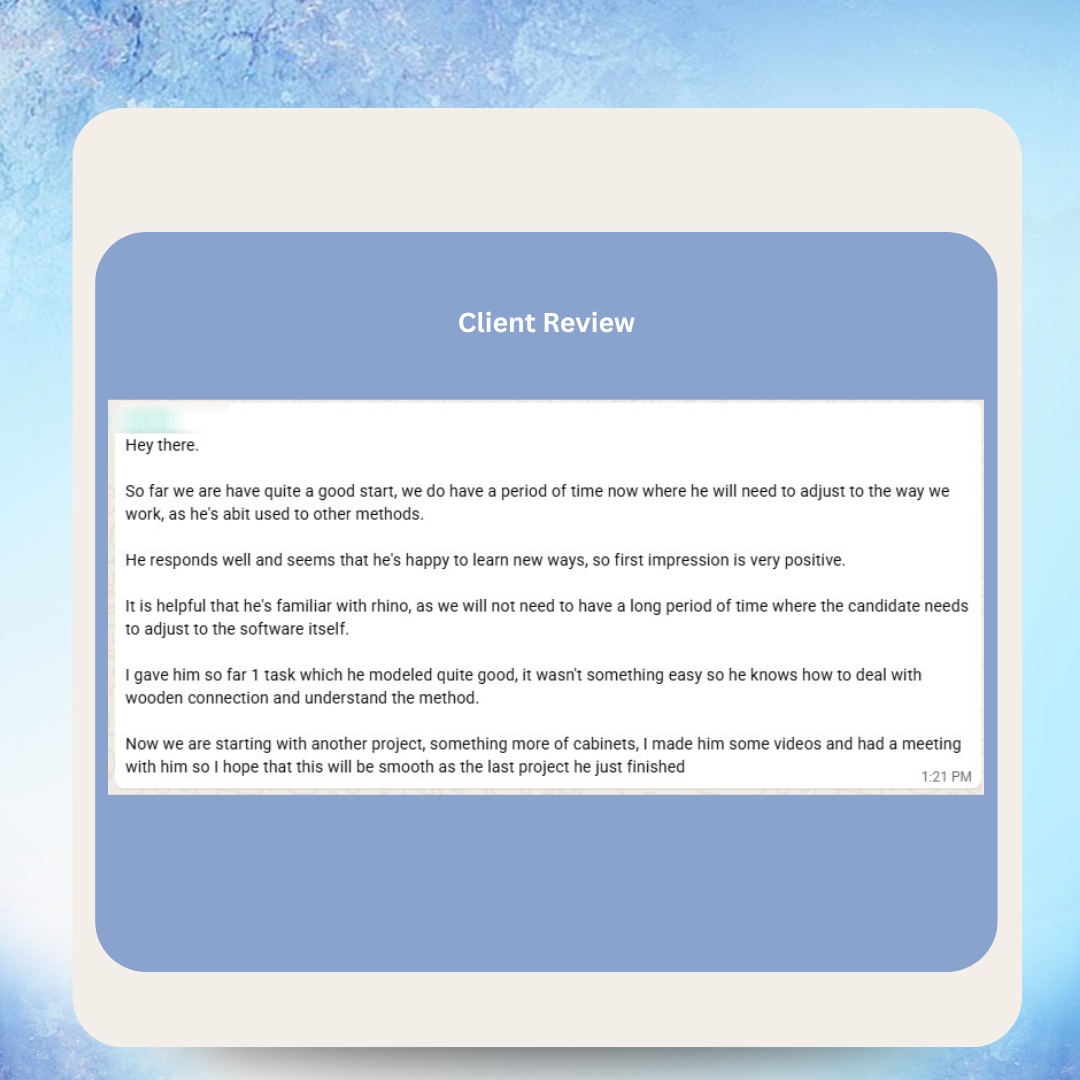
What Our Clients Say




Real Messages from Real Clients


Hear From Our VAs



As Featured In






Frequently Asked Questions
What real estate back-office tasks can I outsource to a Filipino VA?
You can outsource transaction coordination, CRM and database management, lead follow-up, listing administration, MLS data entry, marketing material creation, social media management, email campaigns, showing coordination, document processing, compliance tracking, expense reporting, and scheduling. Your VA handles the administrative infrastructure while you focus on client relationships and revenue generation.
How much does a real estate back-office VA cost?
Real estate back-office VAs through VA Masters cost $7 to $12 per hour depending on experience and specialization. A full-time VA costs approximately $14,500 to $25,000 per year — representing up to 80% savings compared to local real estate administrative staff at $35,000 to $55,000 per year. No upfront fees, no long-term contracts, and a replacement guarantee.
Can a VA handle transaction coordination remotely?
Yes. Transaction coordination is one of the most commonly outsourced real estate functions. Your VA manages deadlines, document collection, vendor coordination, lender follow-up, and closing logistics entirely through digital platforms. They use your transaction management software (Dotloop, SkySlope, etc.) and communicate with all parties via email and phone.
Will my VA know how to use my CRM?
VA Masters recruits VAs with experience in major real estate CRMs including Follow Up Boss, kvCORE, BoomTown, LionDesk, and similar platforms. Even if your VA has not used your specific CRM, the learning curve for experienced real estate VAs is typically 3-5 days. We match candidates based on your technology stack whenever possible.
Can a VA enter listings into my MLS?
Yes, with proper access credentials. Your VA enters listing data, uploads photos, writes property descriptions, and maintains listing accuracy in your MLS. They follow your brokerage's data entry standards and your personal preferences for listing presentation. We recommend reviewing your VA's first several MLS entries to establish quality standards.
How does my VA handle lead follow-up?
Your VA monitors your lead sources and CRM for new inquiries, responding within minutes with personalized messages you have approved. They execute systematic follow-up sequences — daily contact for hot leads, weekly for warm leads, monthly for nurture contacts — using your scripts and communication guidelines. They escalate qualified leads to you for direct conversation when appropriate.
Can a VA create marketing materials for my listings?
Yes. Your VA creates property flyers, social media graphics, email campaigns, virtual tour presentations, and other marketing materials using Canva and your brand templates. They write property descriptions, schedule social media posts, and coordinate print production. Many of our real estate VAs have strong design skills that produce professional-quality marketing output.
How quickly can I get a real estate back-office VA?
VA Masters delivers pre-vetted real estate VA candidates within 2 business days. Our 6-stage recruitment process includes real estate-specific assessments covering transaction coordination, CRM management, listing administration, and marketing competency.
Will my VA work during my business hours?
Yes. Filipino VAs are flexible with time zones and most of our real estate VAs work US business hours. This ensures they are available when leads come in, transaction parties need coordination, and clients send messages. We match candidates to your preferred schedule during recruitment.
Is there a trial period or long-term contract?
No long-term contracts and no upfront placement fees. You can start with a trial period to evaluate your VA's performance. VA Masters provides a replacement guarantee — if the match does not work, we recruit a replacement at no additional cost. You pay only your VA's hourly rate.
Ready to Get Started?
Join 500+ businesses who trust VA Masters with their teams.
- No upfront payment required
- No setup fees
- Only pay when you are 100% satisfied with your VA

Anne is the Operations Manager at VA MASTERS, a boutique recruitment agency specializing in Filipino virtual assistants for global businesses. She leads the end-to-end recruitment process — from custom job briefs and skills testing to candidate delivery and ongoing VA management — and has personally overseen the placement of 1,000+ virtual assistants across industries including e-commerce, real estate, healthcare, fintech, digital marketing, and legal services.
With deep expertise in Philippine work culture, remote team integration, and business process optimization, Anne helps clients achieve up to 80% cost savings compared to local hiring while maintaining top-tier quality and performance.
Email: [email protected]
Telephone: +13127660301