

Outsource Legal Support to the Philippines — The Definitive Guide to Hiring Pre-Vetted Legal Virtual Assistants in 2026
Law firms and legal departments operate under relentless pressure. Every case file demands meticulous document preparation, every court deadline requires precise calendar management, every client expects prompt communication, and every billable hour lost to administrative tasks is revenue that disappears permanently. The administrative burden in legal work is not a minor inconvenience — it is a structural problem that drains attorney productivity, inflates overhead, and forces firms to choose between profitability and client service quality. A paralegal or legal secretary in the United States costs $45,000 to $75,000 per year before benefits, payroll taxes, and office overhead. For solo practitioners and small firms managing 50 to 200 active matters simultaneously, that expense directly compresses margins on every case.
The Philippines has quietly become the preferred destination for legal process outsourcing, and the reasons extend far beyond cost. Filipino legal support professionals bring formal education in legal studies, fluency in English legal terminology, experience with US court systems and filing requirements, and the meticulous attention to detail that legal work demands. The country’s legal education system produces thousands of law graduates annually, many of whom pursue careers in legal support rather than litigation — creating a deep talent pool of professionals who understand case management workflows, legal document formatting, discovery processes, and compliance frameworks at a level that matches or exceeds what most domestic legal secretaries deliver.
At VA Masters, we have placed 1,000+ virtual assistants globally, and legal support is among our fastest-growing categories. Our 6-stage recruitment process includes legal-specific assessments where candidates demonstrate document preparation skills, legal research competency, calendar and deadline management accuracy, and familiarity with the software platforms that modern law practices rely on. This guide covers everything you need to make an informed decision: which legal functions you can outsource, confidentiality and NDA frameworks, realistic cost comparisons, platform proficiency, compliance considerations, and the implementation process that sets you up for success.
Why the Philippines Is the Premier Choice for Legal Support Outsourcing
Legal process outsourcing has grown into a multi-billion-dollar global industry, and the Philippines consistently ranks as the top destination for English-speaking law firms and corporate legal departments. This dominance is not accidental — it reflects structural advantages that other markets have been unable to replicate.
Legal Education Infrastructure
The Philippines has over 100 law schools and produces thousands of legal professionals every year. The country's legal education follows an American-influenced curriculum — a legacy of US colonial administration that embedded common law principles, English-language legal instruction, and familiarity with adversarial court systems into the Philippine legal framework. Filipino legal support professionals understand legal concepts like discovery, depositions, motions practice, contract formation, and regulatory compliance not as foreign abstractions but as foundational elements of their education. This baseline comprehension means your legal VA arrives with a genuine understanding of why documents must be formatted precisely, why deadlines are inviolable, and why client confidentiality is sacrosanct.
English Language Proficiency in Legal Contexts
Legal work is language-intensive. Every document, communication, and filing must use precise terminology and maintain grammatical clarity that withstands scrutiny from opposing counsel, judges, and regulatory bodies. Filipino professionals write and speak professional English at a level that meets the exacting standards of legal practice. This is not conversational fluency — it is the ability to draft correspondence that reflects well on your firm, prepare documents with proper legal citation formats, and communicate with clients, courts, and opposing counsel without ambiguity. The Philippines' status as an English-official-language nation, combined with its American-influenced education system, produces professionals whose English proficiency exceeds what many other outsourcing destinations can offer.
Cost Structure That Transforms Firm Economics
A qualified legal secretary or paralegal in the US costs $22 to $38 per hour before benefits and overhead. A full-time position runs $50,000 to $85,000 annually when you factor in health insurance, payroll taxes, office space, and equipment. Through VA Masters, a pre-vetted Filipino legal support VA costs $8 to $14 per hour — representing up to 80% savings compared to domestic hiring. For a solo practitioner or small firm, this cost difference means the difference between affording dedicated administrative support and trying to handle everything yourself. For larger firms, it means deploying two or three legal VAs for the cost of one domestic hire, dramatically expanding your administrative capacity without proportionally growing overhead.
Time Zone Flexibility for Deadline-Driven Work
Filipino legal VAs are renowned for their willingness to work US business hours. This is critical in legal practice where court deadlines, filing windows, and client availability are anchored to specific time zones. Your VA is online when you are — answering calls, processing documents, updating case files, and managing the administrative workflow in real time alongside your attorneys. For firms that need extended coverage, Filipino VAs can also provide early-morning or late-evening support to handle overnight document preparation or international correspondence.
Key Insight
The American Bar Association has acknowledged that the outsourcing of legal support functions to qualified professionals in other jurisdictions is ethically permissible, provided that the supervising attorney maintains oversight, ensures competence, and protects client confidentiality. The Philippines' English-language legal education, combined with robust NDA frameworks and secure technology infrastructure, makes it the jurisdiction best positioned to meet these ethical requirements while delivering the cost savings that make outsourcing worthwhile.
Legal Tasks You Can Outsource to the Philippines
The scope of legal work that can be delegated to a qualified Filipino legal VA is broader than most attorneys initially expect. Any legal administrative function that does not require bar licensure, court appearances, or the exercise of independent legal judgment can be outsourced effectively. Here is a comprehensive breakdown.
Document Preparation and Formatting
Legal documents must conform to precise formatting requirements — court-specific margins, font requirements, caption formatting, exhibit numbering, and citation standards that vary by jurisdiction and court. Your legal VA prepares and formats pleadings, motions, briefs, discovery requests and responses, contracts, settlement agreements, corporate formation documents, and correspondence using your firm's templates and the receiving court's formatting rules. They handle the time-consuming production work — assembling exhibits, creating tables of contents and authorities, formatting footnotes and citations, and producing final documents that are ready for attorney review and signature. For a busy litigation practice producing 10 to 30 documents per week, this formatting and assembly work alone can consume 15 to 25 hours of staff time.
Legal Research
Your Filipino legal VA conducts preliminary legal research using platforms like Westlaw, LexisNexis, Google Scholar, and public court databases. They pull relevant case law based on your research parameters, compile statutory and regulatory materials, prepare research memoranda summarizing findings, and organize research results into formats that allow attorneys to quickly evaluate relevance and applicability. While the legal analysis and strategy remain the attorney's domain, the research legwork — which often accounts for 60 to 70 percent of the total time spent on a research project — is precisely the kind of skilled but supervisable work that a trained legal VA handles efficiently.
Court Filing and E-Filing Management
Federal and state courts increasingly require electronic filing through systems like CM/ECF, PACER, and state-specific e-filing platforms. Your VA manages the filing workflow end to end — preparing documents in the required format, uploading to the appropriate filing system, paying filing fees, confirming acceptance, downloading filed-stamped copies, and distributing to all parties of record. They track filing deadlines using your case management system and provide advance notice to attorneys when filing deadlines approach. A missed filing deadline can result in sanctions, case dismissal, or malpractice exposure — having a dedicated VA whose primary responsibility is deadline tracking and filing management dramatically reduces this risk.
Calendar and Deadline Management
Legal calendaring is not ordinary scheduling. Court dates, statute of limitations deadlines, discovery cutoffs, motion filing deadlines, response periods, and appeal windows create a web of interconnected deadlines where missing one can have catastrophic consequences. Your legal VA maintains the firm's master calendar, calculates deadlines based on court rules and service dates, sets advance reminders at multiple intervals, coordinates scheduling with opposing counsel and court clerks, and ensures that every deadline on every active matter is tracked, visible, and actioned on time. They understand that a 30-day response period triggered by service means something different depending on whether service was personal, by mail, or electronic — and they calculate accordingly.
Client Communication and Intake
Your VA serves as the professional front line of client communication. They answer incoming calls, conduct initial client intake interviews following your firm's screening criteria, send engagement letters and retainer agreements, provide case status updates to clients based on attorney-approved information, schedule client meetings and consultations, and maintain the communication cadence that clients expect from a well-managed law practice. They draft client correspondence for attorney review, manage the flow of documents between your firm and clients, and ensure that every client interaction is logged in your case management system.
Discovery Support
Discovery is one of the most labor-intensive phases of litigation. Your legal VA assists with discovery preparation and management — organizing and Bates-numbering documents for production, preparing discovery requests and responses from attorney-provided outlines, managing document review workflows, creating privilege logs, tracking discovery deadlines and deficiency notices, and coordinating with opposing counsel on discovery logistics. For high-volume document productions, your VA manages the organizational framework that allows attorneys to focus on the substantive review decisions rather than the mechanical sorting and numbering work.
Case File Management and Organization
Every matter requires a structured file — physical or digital — that contains the complete record of the case. Your VA creates and maintains case files according to your firm's organizational standards, ensures that every document is filed in the correct location, maintains chronological and subject-matter indexes, manages the transition between active and closed file status, and ensures that files are complete when matters conclude. In a practice management system, they maintain matter records, update case status, log time entries from attorney notes, and ensure that the system reflects the current state of every active matter.
VA Masters tests every legal VA candidate with practice-specific assessments. Candidates must demonstrate the ability to format a legal pleading to court specifications, calculate filing deadlines from a service date using applicable rules, conduct a structured legal research task and present findings in memo format, manage a multi-matter calendar with overlapping deadlines, and draft professional client correspondence. We evaluate precision, legal vocabulary comprehension, and the ability to manage the deadline-driven demands of active legal practice.
Confidentiality and NDA Frameworks
Client confidentiality is not just a best practice in legal work — it is an ethical obligation enforceable through bar disciplinary proceedings, malpractice claims, and contractual liability. Any outsourcing arrangement for legal support must address confidentiality with the same rigor that firms apply to their internal operations. VA Masters builds comprehensive confidentiality protections into every legal placement.
Multi-Layer NDA Structure
Every VA Masters legal support professional signs a comprehensive non-disclosure agreement that covers all client information, case details, legal strategies, and privileged communications they encounter during the engagement. This NDA is enforceable, extends beyond the term of the engagement, and imposes specific obligations regarding data handling, storage, and destruction. For firms with heightened confidentiality requirements — such as those handling matters involving trade secrets, M&A transactions, or government contracts — we execute supplemental NDAs with additional protections tailored to your specific needs.
Attorney-Client Privilege Preservation
The delegation of legal support tasks to a VA does not waive attorney-client privilege, provided the VA is operating under the direction and supervision of a licensed attorney as part of the legal services delivery team. This is the same framework that applies to domestic paralegals, legal secretaries, and contract attorneys. VA Masters structures every legal placement within this supervisory relationship, ensuring that the VA's work product is covered by the same privilege protections that apply to work performed by your in-house staff. We recommend documenting this supervisory relationship in your engagement agreement and maintaining records demonstrating attorney oversight of the VA's work.
Data Security Protocols
VA Masters verifies secure working environments for every legal VA — private workspaces where screens are not visible to unauthorized individuals, encrypted internet connections, current security software, and compliant password management practices. Your VA accesses your systems through secure channels using your firm's technology infrastructure, which provides audit trails, access logging, and permission controls. We recommend that firms implement two-factor authentication on all systems accessible by remote team members and maintain access logs as part of their standard security protocol.
Compliance with Ethical Rules
Bar associations across US jurisdictions have addressed the outsourcing of legal support functions, and the consensus position permits outsourcing provided the supervising attorney ensures competence, maintains supervision, protects confidentiality, and discloses the arrangement to clients when required. VA Masters helps you navigate these requirements by providing documentation templates, suggested client disclosure language, and guidance on structuring the supervisory relationship to satisfy your jurisdiction's ethical rules. We stay current on bar opinion developments across major jurisdictions to ensure our placement practices align with evolving ethical standards.
Common Mistake
Do not skip the NDA step or treat it as a formality. Every legal VA must sign a comprehensive NDA before accessing any client information, case files, or firm systems. This protects your clients, your firm, and your bar license. VA Masters handles NDA execution as a standard part of every legal placement — no exceptions, no shortcuts, no "we'll get to it later." The NDA is signed before system access is granted, period.
Paralegal-Level Support from Filipino Legal Professionals
The distinction between a legal secretary and a paralegal is significant in domestic practice, and the same distinction applies when outsourcing. VA Masters recruits Filipino legal professionals across both levels, and understanding the difference helps you scope the right role for your needs.
Legal Secretary Level
A legal secretary VA handles the administrative and clerical functions of legal practice — document formatting, filing, calendar management, client communication, correspondence, and office coordination. They follow established templates and procedures, execute tasks as directed by attorneys, and maintain the organizational infrastructure that keeps a law practice running. This is the right level for firms that need reliable administrative support to handle the volume of paperwork, filing, and scheduling that pulls attorneys away from substantive legal work.
Paralegal Level
A paralegal-level VA brings deeper legal knowledge and the ability to handle substantive legal support tasks — conducting legal research and preparing research memoranda, drafting initial versions of legal documents from outlines or instructions, managing complex discovery processes, preparing case summaries and chronologies for attorney review, assisting with trial preparation including exhibit organization and witness coordination, and reviewing contracts and transactional documents for completeness and compliance with deal terms. These professionals typically have formal legal education (law school graduates or paralegal certificate holders) and years of experience supporting attorneys in specific practice areas.
Practice Area Specialization
VA Masters recruits legal VAs with experience across major practice areas including litigation (civil and commercial), corporate and transactional, real estate, immigration, family law, personal injury, intellectual property, estate planning, and regulatory compliance. Practice area experience matters because legal terminology, document types, court procedures, and workflow patterns vary significantly between areas. A paralegal experienced in commercial litigation understands discovery timelines, motion practice, and trial preparation. A corporate paralegal understands entity formation, due diligence, closing checklists, and minute book maintenance. We match your practice area needs with candidates who have directly relevant experience.
Pro Tip
When you hire a legal VA, start by mapping your current workflow to identify which tasks are truly attorney-level work requiring legal judgment and bar licensure, and which are skilled support tasks that a trained professional can handle under your supervision. Most attorneys discover that 40 to 60 percent of their daily workload falls into the latter category. That is the scope of work that your legal VA takes over — and that is the percentage of your day that returns to billable, revenue-generating legal work.
See What Our Clients Have to Say
Legal Software and Tools
A legal VA integrates into your existing technology stack. Here are the platforms they work with and how they leverage each one to support your practice.
Practice Management Systems
Your VA works within your practice management platform — Clio, MyCase, PracticePanther, Smokeball, CosmoLex, or similar — as the operational hub of daily workflow. They manage matter records, maintain contact databases, log time entries from attorney notes and dictation, track billable and non-billable hours, run reports on case status and billing, and ensure that the system serves as the reliable single source of truth for every active matter. For firms transitioning to a practice management platform, your VA can lead the data migration and configuration process under attorney supervision.
Document Management Systems
Legal document management requires version control, access restrictions, and organizational precision that general file storage does not provide. Your VA manages your document management system — whether that is NetDocuments, iManage, Worldox, or a structured folder system in SharePoint or Google Drive — ensuring that every document is properly named, versioned, filed, and accessible. They maintain naming conventions that allow anyone on the team to find any document on any matter without assistance, and they manage the security permissions that restrict access to confidential materials based on matter assignments.
E-Filing and Court Systems
Your VA navigates electronic filing systems including CM/ECF for federal courts, state-specific e-filing platforms (Tyler Technologies, File & ServeXpress, and others), and court websites for local rule verification and hearing scheduling. They understand the technical requirements of each system — file size limits, accepted formats, signature requirements, and service obligations — and ensure that every filing is submitted correctly and confirmed. They maintain accounts, manage filing fee payments, and download receipts and filed-stamped documents for your case files.
Legal Research Platforms
Your VA conducts research using Westlaw, LexisNexis, Fastcase, Casetext, Google Scholar, and public court databases. They understand how to construct effective search queries using legal terms of art, how to evaluate case relevance and precedential authority, and how to organize research results into usable memoranda format. For cost-conscious firms, your VA can use free and lower-cost research platforms for routine research while reserving Westlaw and LexisNexis for complex questions that require comprehensive database access.
Communication and Collaboration Tools
Your VA coordinates across your firm's communication platforms — Microsoft Teams, Slack, email, and phone systems — managing the flow of internal and external communication. They route messages to the appropriate attorney, maintain organized email filing, manage shared calendars, and ensure that communication with clients, courts, and opposing counsel is documented in your practice management system. For firms using VoIP phone systems, your VA can answer calls with your firm name and handle initial screening and routing.
Billing and Accounting Integration
Legal billing has its own complexity — trust accounting, LEDES billing formats, client-specific billing guidelines, block billing restrictions, and partner-level review workflows. Your VA prepares draft invoices from time entry data, applies client-specific billing rates and guidelines, generates pre-bills for attorney review, processes edits and approvals, and distributes final invoices. They track outstanding receivables, prepare AR aging reports, and follow up on overdue invoices with professional collection communications. For firms using trust accounts, your VA manages trust deposits and disbursements under attorney supervision, maintaining the three-way reconciliation that bar rules require.
Use Cases by Practice Type
Legal VA support adds value across every practice type, but the specific impact varies based on your firm's size, practice areas, and operational model.
Solo Practitioners
Solo attorneys face the fundamental tension of legal practice — every hour spent on administrative tasks is an hour not spent on billable legal work. A legal VA eliminates this tension entirely. They manage your calendar, handle client communication, prepare and file documents, conduct preliminary research, process billing, and maintain your case files — freeing you to focus exclusively on the legal analysis, strategy, and client counseling that only you can provide. For a solo practitioner billing at $250 to $400 per hour, a legal VA at $8 to $14 per hour recovers 15 to 25 billable hours per week. The math is not subtle — that is $3,750 to $10,000 in recovered weekly revenue against a VA cost of $320 to $560 per week.
Small Firms (2-10 Attorneys)
Small firms often share one or two administrative staff across all attorneys, creating bottlenecks during busy periods when everyone needs documents prepared, filings processed, and clients called simultaneously. A dedicated legal VA per attorney — or one VA per two to three attorneys depending on case volume — eliminates the scheduling conflicts and resource competition that slow down the entire firm. Each attorney gets consistent, dedicated support without the overhead of hiring additional local staff at $50,000 to $70,000 per position.
Litigation Practices
Litigation generates massive document volumes — pleadings, motions, discovery requests and responses, deposition transcripts, exhibit packages, and trial binders. Your legal VA manages this document production pipeline, keeping everything organized, properly formatted, and filed on schedule. During active discovery, they manage document review logistics, organize productions, maintain privilege logs, and track discovery deadlines. During trial preparation, they assist with exhibit organization, witness binder preparation, and courtroom technology logistics. The surge capacity that a legal VA provides during trial preparation alone justifies the engagement for many litigation firms.
Corporate and Transactional Practices
Corporate attorneys spend enormous amounts of time on document preparation and management — entity formation documents, operating agreements, stock purchase agreements, due diligence checklists, closing binders, corporate minutes, and regulatory filings. Your VA handles the preparation, formatting, and organizational work that surrounds every transaction. They maintain closing checklists, track signature pages, organize data rooms, prepare corporate minute books, and manage the post-closing document assembly that every transaction requires. For M&A practices, the due diligence phase alone can generate thousands of documents that need to be organized, indexed, and tracked.
Immigration Practices
Immigration law involves voluminous form preparation, extensive document collection, strict filing deadlines, and complex case tracking across multiple government agencies. Your VA prepares immigration forms and petitions from attorney-provided information, compiles supporting document packages, tracks case status with USCIS and consular posts, manages filing deadlines and priority dates, and maintains client communication throughout the often lengthy adjudication process. The form-intensive nature of immigration practice makes it particularly well-suited to VA support — every I-140, I-485, or H-1B petition involves hours of data entry and document assembly that a trained VA handles efficiently.
Estate Planning and Probate
Estate planning attorneys produce a standardized set of documents for every client — wills, trusts, powers of attorney, healthcare directives, and ancillary documents — that require careful customization but follow consistent templates. Your VA prepares initial drafts from attorney notes, manages the document signing process, maintains estate planning binders, and handles the administrative aspects of trust administration and probate proceedings including court filings, notice requirements, asset inventories, and accounting preparation.
Key Insight
The practice types that benefit most from legal VA support are those with high document volumes, numerous filing deadlines, and significant client communication requirements. If your attorneys routinely work evenings and weekends just to keep up with the administrative demands of their caseload, that is not a time management problem — it is a staffing problem that a legal VA solves at a fraction of the cost of another domestic hire.
Cost and Pricing
The financial case for outsourcing legal support to the Philippines is compelling at every firm size. The direct cost savings are significant, and the indirect benefits — recovered billable time, improved deadline management, enhanced client service — compound the return substantially.
Compare this to the domestic cost of legal support staff. A legal secretary in the US earns $40,000 to $60,000 per year in salary. A paralegal costs $50,000 to $75,000. Senior paralegals with specialized experience command $70,000 to $95,000. When you add employer payroll taxes, health insurance, paid time off, office space, equipment, and recruiting costs, the all-in cost per position reaches $55,000 to $130,000 annually. A full-time Filipino legal VA through VA Masters costs approximately $16,600 to $29,100 per year all-in. That represents up to 80% savings with no compromise on quality, accuracy, or professionalism.
The ROI calculation for legal practices is especially powerful because of the direct connection between administrative support and billable revenue. When a $300-per-hour attorney spends 15 hours per week on administrative tasks, that is $4,500 per week — $234,000 per year — in lost billable time. A legal VA at $8 to $14 per hour recovers the vast majority of those hours, turning administrative overhead into billable revenue. Most law firm clients report that their legal VA pays for themselves within the first two weeks through recovered attorney billing alone. Contact our team for a personalized quote based on your practice's needs.
VA Masters pricing includes our complete 6-stage recruitment and vetting process, legal-specific assessments, NDA execution, ongoing HR support, performance management assistance, and replacement guarantee. No upfront placement fees, no long-term contracts, no hidden costs. You pay your VA's hourly rate — we handle everything else.

Hiring Lawrence as a QuickBooks Expert and Lery as a Real Estate Administrative VA has completely transformed how I run my real estate business. Lawrence efficiently manages all our financial records, ensuring everything is organized and accurate, while Lery handles property documents, tenant coordination, and administrative tasks. This powerful combination allows me to focus more on investment strategy and growth. It was incredibly convenient to have VA Masters find the right talent and manage all the HR aspects. The cost savings compared to local hires are substantial, and the efficiency they bring is unmatched. I highly recommend this solution to any real estate investor looking to scale smoothly.
Detailed Job Posting
Custom job description tailored to your specific needs and requirements.
Candidate Collection
1,000+ applications per role from our extensive talent network.
Initial Screening
Internet speed, English proficiency, and experience verification.
Custom Skills Test
Real job task simulation designed specifically for your role.
In-Depth Interview
Culture fit assessment and communication evaluation.
Client Interview
We present 2-3 top candidates for your final selection.
Have Questions or Ready to Get Started?
Our team is ready to help you find the perfect match.
Get in Touch →Onboarding Your Legal Virtual Assistant
The first 30 days of a legal VA engagement determine its long-term success. A structured onboarding process transforms a qualified candidate into a productive member of your legal team who understands your practice, your standards, and your clients' expectations.
Week 1: Systems Access and Practice Orientation
Provide your VA with access to your practice management system, document management system, e-filing accounts, email, and calendar — all with appropriate role-based permissions. Walk them through your active matters, introduce them to your filing system and naming conventions, explain your document templates and formatting standards, and provide an overview of your practice areas and typical workflow patterns. Share your firm's standard operating procedures for document preparation, filing, client communication, and billing. The first week is about orientation and context — your VA needs to understand how your practice operates before they can support it effectively.
Week 2: Supervised Task Execution
Begin assigning tasks with direct supervision. Have your VA prepare documents from your templates, format a filing for court submission, update case records in your practice management system, and draft client correspondence for your review. Check every piece of work in detail during this phase — verify formatting, confirm deadline calculations, and evaluate communication quality. This is the calibration period where you align their work to your specific standards. Provide detailed feedback on every assignment, not just corrections but explanations of why your standards exist.
Week 3-4: Expanding Responsibility
By weeks three and four, your VA handles routine tasks independently — processing filings, maintaining the calendar, managing client communication, and preparing standard documents — with you reviewing completed work rather than supervising in real time. Gradually expand their scope to include legal research, discovery support, billing preparation, and other paralegal-level functions based on their demonstrated competence. Establish a daily check-in cadence to review priorities, address questions, and ensure that nothing falls through the cracks.
Ongoing: Quality Review and Professional Development
After the initial onboarding period, maintain a weekly review meeting to discuss active matters, upcoming deadlines, workflow improvements, and any challenges. Invest in your VA's professional development by sharing legal knowledge that helps them perform their role more effectively — explain the legal significance of the documents they prepare, the strategic context of the research they conduct, and the client relationship dynamics that inform your communication preferences. A VA who understands the why behind their tasks consistently outperforms one who only understands the what.
Common Mistakes to Avoid When Outsourcing Legal Support
VA Masters has placed 1,000+ virtual assistants globally, and legal support engagements follow clear patterns of success and failure. Avoiding these common mistakes ensures that your engagement delivers the value it should from the start.
Hiring a General Admin VA for Legal Work
A virtual assistant who excels at email management and social media scheduling is not equipped for legal administrative work. Legal support requires specific knowledge — legal terminology, document formatting standards, court filing requirements, deadline calculation rules, and confidentiality protocols — that general administrative VAs simply do not have. When you need legal support, hire a legal VA who has been specifically assessed for legal competence. The difference in ramp-up time, error rate, and work quality is dramatic.
Inadequate Confidentiality Protections
Your ethical obligation to protect client confidentiality does not diminish because the person handling the information works remotely. Every legal VA must sign a comprehensive NDA before accessing any client information. Access should be role-based with minimum necessary permissions. Communication should occur through encrypted channels. And you should maintain oversight sufficient to satisfy your jurisdiction's ethical requirements for delegation to non-lawyer support staff. Treat your legal VA's confidentiality obligations with the same seriousness you apply to every other member of your team.
Not Documenting Procedures
Law firms are notorious for keeping procedures in the heads of experienced staff rather than in written documentation. When you onboard a remote VA, this approach fails completely. Before your VA starts, document your filing system, naming conventions, document templates, billing procedures, client communication protocols, and deadline tracking processes. If it is not written down, your VA cannot follow it — and the time you spend repeatedly explaining the same procedures negates the efficiency gains that the VA is supposed to deliver.
Micromanaging Instead of Supervising
There is a critical difference between appropriate attorney supervision — reviewing work product, confirming deadline calculations, approving client communications — and micromanagement that recreates the very overhead you hired a VA to eliminate. If you check every email before it sends, hover over every calendar entry, and re-do every document your VA prepares, you are spending more time managing the VA than you save by having one. Trust the process, invest in onboarding, provide clear feedback, and allow your VA the professional autonomy to perform the role effectively.
Expecting Bar-Licensed Legal Judgment
A legal VA — even one with paralegal-level skills — does not exercise independent legal judgment, provide legal advice to clients, or make strategic decisions about case direction. Those functions remain the exclusive domain of the supervising attorney. The VA handles the administrative, research, and document preparation work that supports your legal judgment. Blurring this line creates ethical risks and sets expectations that no VA can or should meet. Be clear about the scope of the role from the beginning, both with your VA and with your clients.
The law firms that achieve the greatest success with legal VAs are those that integrate the VA fully into their practice operations — giving them firm email addresses, including them in team meetings, providing access to the same systems and information that in-house staff use, and treating them as permanent members of the legal team. This integration produces the context awareness, institutional knowledge, and professional investment that transforms a task executor into a genuine practice support partner.
| Feature | VA MASTERS | Others |
|---|---|---|
| Custom Skills Testing | ✓ | ✗ |
| Dedicated Account Manager | ✓ | ✗ |
| Ongoing Training & Support | ✓ | ✗ |
| SOP Development | ✓ | ✗ |
| Replacement Guarantee | ✓ | ~ |
| Performance Reviews | ✓ | ✗ |
| No Upfront Fees | ✓ | ✗ |
| Transparent Pricing | ✓ | ~ |
What Our Clients Say




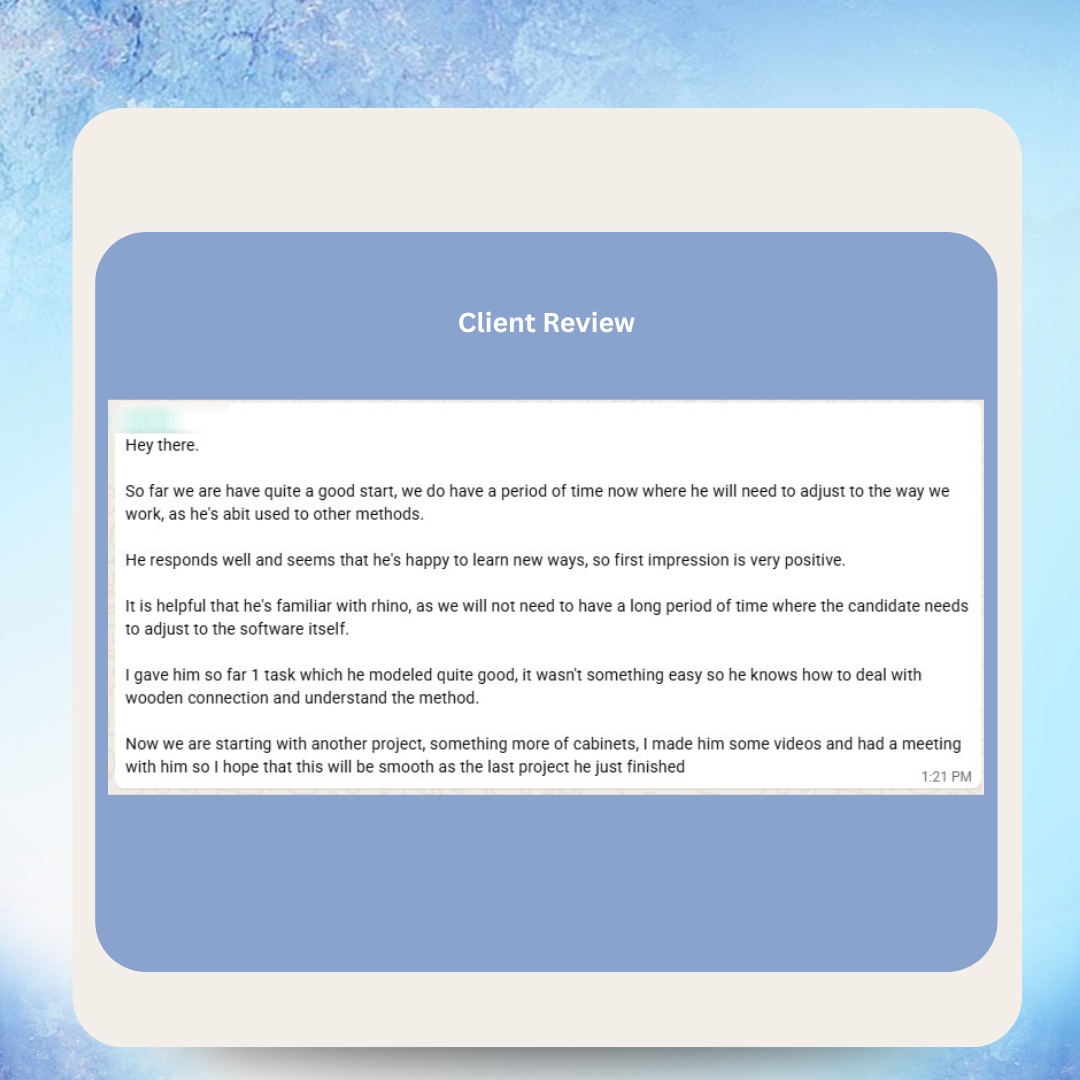
Real Messages from Real Clients


Hear From Our VAs



As Featured In






Frequently Asked Questions
What legal tasks can I outsource to a Filipino VA?
You can outsource virtually every legal administrative and paralegal support function that does not require bar licensure or independent legal judgment. This includes document preparation and formatting, legal research, court filing and e-filing management, calendar and deadline management, client communication and intake, discovery support, case file management, billing and invoicing, trust account administration support, corporate document preparation, immigration form completion, and general office administration. The supervising attorney maintains oversight of all work product.
How do you protect attorney-client privilege and confidentiality?
Every VA Masters legal VA signs a comprehensive NDA before accessing any client information. We verify secure working environments with private workspaces, encrypted connections, and current security software. Your VA receives role-based access with minimum necessary permissions. The supervisory relationship between the attorney and VA preserves privilege in the same way it does with domestic paralegals and legal secretaries. We provide documentation templates and guidance on structuring the relationship to satisfy your jurisdiction's ethical requirements.
What does a legal support VA cost through VA Masters?
Legal support VAs through VA Masters cost $8 to $14 per hour depending on experience level, practice area specialization, and skill set. Compare this to $40,000-$95,000+ per year for a domestic legal secretary or paralegal before benefits and overhead. A full-time Filipino legal VA costs approximately $16,600 to $29,100 per year all-in. That represents up to 80% savings with no upfront fees, no long-term contracts, and a replacement guarantee.
Can a legal VA handle court filings and e-filing?
Yes. Our legal VAs are trained on federal CM/ECF, PACER, and state-specific e-filing platforms. They prepare documents in the required format, submit filings electronically, pay filing fees, confirm acceptance, and download filed-stamped copies. They track filing deadlines in your practice management system and provide advance notice when deadlines approach. Many of our legal VAs have years of experience managing filing workflows for US law firms.
Do your legal VAs have paralegal-level skills?
We recruit legal VAs at both the legal secretary level (document formatting, filing, calendar management, correspondence) and paralegal level (legal research, document drafting, discovery management, case analysis). Many of our Filipino legal VAs are law graduates or hold paralegal certifications, with years of experience supporting US attorneys in specific practice areas. We match the skill level to your practice needs during our discovery process.
What practice areas do your legal VAs support?
VA Masters recruits legal VAs with experience across all major practice areas including civil and commercial litigation, corporate and transactional, real estate, immigration, family law, personal injury, intellectual property, estate planning and probate, employment law, and regulatory compliance. We match practice area experience to your specific needs because legal terminology, document types, and workflows vary significantly between practice areas.
How quickly can I get a legal VA?
VA Masters delivers pre-vetted legal VA candidates within 2 business days. Our 6-stage recruitment process includes legal-specific assessments covering document preparation, deadline calculation, legal research, case management, and professional communication. Every candidate we present has been specifically evaluated for legal support competency. You interview your top candidates, and your VA can start within days of your selection.
Will a legal VA work during my business hours?
Yes. Filipino legal VAs are known for their flexibility with international time zones. Most of our legal support VAs work US business hours so they are available when courts are open, clients are calling, and attorneys need real-time support. We match candidates to your preferred schedule during the recruitment process.
Can a legal VA use Clio, MyCase, or other practice management software?
Yes. Our legal VAs work with all major practice management platforms including Clio, MyCase, PracticePanther, Smokeball, CosmoLex, and others. They also work with document management systems like NetDocuments and iManage, legal research platforms like Westlaw and LexisNexis, and legal billing tools. We match candidates who have proficiency with your specific software stack.
Is there a trial period or long-term contract?
There are no long-term contracts and no upfront placement fees. You can start with a trial period to evaluate your legal VA's performance within your actual practice operations. VA Masters provides a replacement guarantee — if the match does not work, we recruit a replacement at no additional cost. You pay only your VA's hourly rate with no hidden fees.
Ready to Get Started?
Join 500+ businesses who trust VA Masters with their teams.
- No upfront payment required
- No setup fees
- Only pay when you are 100% satisfied with your VA

Anne is the Operations Manager at VA MASTERS, a boutique recruitment agency specializing in Filipino virtual assistants for global businesses. She leads the end-to-end recruitment process — from custom job briefs and skills testing to candidate delivery and ongoing VA management — and has personally overseen the placement of 1,000+ virtual assistants across industries including e-commerce, real estate, healthcare, fintech, digital marketing, and legal services.
With deep expertise in Philippine work culture, remote team integration, and business process optimization, Anne helps clients achieve up to 80% cost savings compared to local hiring while maintaining top-tier quality and performance.
Email: [email protected]
Telephone: +13127660301