

How to Outsource Amazon Store Operations: A Complete Playbook for Sellers Who Want to Scale Without Burning Out
A mid-size Amazon seller running 150 SKUs across two marketplaces recently told us that he was spending 62 hours a week inside Seller Central. Not building new product lines. Not negotiating with suppliers. Not analyzing market opportunities. Just keeping the machine running — adjusting bids on 40 campaigns, responding to 30-plus customer messages per day, creating FBA shipments, chasing reimbursements, and fixing suppressed listings that Amazon flagged overnight. His revenue had plateaued at $1.2 million per year, not because demand had peaked, but because he had no bandwidth left to pursue growth. Three months after outsourcing his store operations to a dedicated VA team, he launched into two new product categories and his run rate jumped to $1.8 million — while working fewer hours than before.
Amazon store operations is one of the most outsource-ready functions in e-commerce. The tasks are systematic, process-driven, and platform-specific — exactly the kind of work that a trained specialist can execute consistently without requiring the founder’s strategic judgment on every decision. Listing optimization follows documented keyword research and copywriting frameworks. PPC management runs on data-driven bid adjustments and negative keyword harvesting. Inventory management relies on reorder calculations and sell-through monitoring. Customer service follows response templates and escalation protocols. FBA logistics follows Amazon’s own shipping and compliance requirements. None of these tasks require your physical presence, your unique business intuition, or your personal relationships. They require discipline, platform expertise, and consistent execution — which is precisely what a qualified virtual assistant delivers.
This guide walks you through every step of outsourcing your Amazon store operations — from identifying which functions to delegate first, to finding and vetting the right VA, to building the SOPs and management systems that make the relationship productive from week one. Whether you are a solo seller drowning in operational work or a seven-figure brand ready to build a remote operations team, the principles here apply. VA Masters has placed 1,000+ virtual assistants globally, with Amazon operations being one of our highest-demand categories. The playbook below comes from real client implementations, not theory.
Why Outsource Amazon Store Operations
Amazon store operations is a relentless grind of repetitive, detail-intensive work. Every day brings new customer messages to answer, PPC bids to adjust, inventory levels to monitor, listing issues to resolve, and FBA shipments to coordinate. The volume scales linearly with your SKU count and sales velocity — double your catalog and you roughly double the daily operational workload. This creates a ceiling that every growing Amazon seller hits: the point where operational demands consume so much of the founder's time that growth stalls, strategic thinking evaporates, and burnout sets in.
Outsourcing breaks through that ceiling by transferring executable operational work to trained specialists while the founder retains control of strategy, product selection, supplier negotiations, and brand direction. The Philippines has become the dominant talent source for Amazon operations support for several structural reasons. The country's massive BPO industry has trained hundreds of thousands of professionals in exactly the competencies that Amazon operations demand — attention to detail, English fluency, digital platform proficiency, and process-driven execution. Many Filipino VAs have years of direct experience inside Seller Central, managing real product catalogs, running real PPC campaigns, and handling real customer interactions.
The cost advantage is substantial. A pre-vetted Filipino Amazon operations VA through VA Masters costs $7 to $13 per hour — representing up to 80% savings compared to hiring a domestic Amazon specialist at $50,000 to $80,000 per year. But cost savings alone do not explain why outsourcing works so well for Amazon operations. The real value is specialization. A full-time VA who spends 8 hours per day managing your Amazon operations develops deep platform expertise and intimate familiarity with your specific catalog, competitive landscape, and operational patterns. That dedicated focus produces better results than a founder splitting attention across operations, product development, supplier management, and strategic planning.
Key Insight
The most common objection sellers raise about outsourcing Amazon operations is "nobody can run my store as well as I can." This is simultaneously true and irrelevant. You understand your business better than anyone — but that understanding is wasted on tasks like adjusting PPC bids, responding to "where is my order" messages, and creating FBA shipping labels. A VA who handles these tasks at 90% of your quality level frees up 40+ hours per week that you can invest in decisions only you can make — product selection, brand strategy, supplier negotiations, and market expansion. That trade-off is not a compromise; it is a multiplication of your impact.
What to Outsource (and What to Keep In-House)
Not every Amazon operation belongs in a VA's hands on day one. The key to successful outsourcing is distinguishing between executable tasks (that follow documented processes) and strategic decisions (that require your business judgment and risk tolerance). Here is a practical framework.
High-Priority Outsource Targets
These functions are immediately outsource-ready because they follow repeatable processes, have measurable quality standards, and do not require strategic judgment beyond what a documented SOP can provide.
- Customer service and messaging: Responding to buyer questions, handling complaints, processing return requests, and managing A-to-Z claims. These interactions follow patterns — 80% of customer messages fall into 10-15 recurring categories that your VA handles with templated responses customized to each situation.
- PPC campaign management: Daily bid adjustments, search term harvesting, negative keyword additions, budget pacing, and performance reporting. Once you establish your target ACoS, campaign structure, and optimization rules, a trained VA executes these tasks more consistently than a founder who checks campaigns when they remember.
- Listing maintenance and optimization: Updating product copy, refreshing keywords based on search trend data, managing A+ Content, uploading images, maintaining backend search terms, and resolving listing suppression issues. Your VA follows your brand voice guidelines and keyword strategy — they do not need to invent these from scratch.
- Inventory monitoring and FBA shipments: Tracking stock levels, calculating reorder points, creating FBA shipping plans, coordinating with your warehouse or prep center, and managing the logistics of getting inventory into Amazon's fulfillment network.
- Reimbursement claims: Auditing your account for lost, damaged, or mishandled inventory and filing claims through Seller Central. This is systematic, process-driven work that most sellers neglect entirely — leaving thousands of dollars uncollected every year.
- Review monitoring and feedback management: Tracking product reviews, flagging negative reviews that violate Amazon's policies, responding to customer feedback, and maintaining your seller rating through proactive customer communication.
Keep In-House (At Least Initially)
These functions involve strategic risk, significant financial commitment, or require business context that is difficult to transfer through SOPs alone.
- Product selection and sourcing decisions: Which products to launch, which suppliers to partner with, and how much to invest in initial inventory orders. These decisions shape your business trajectory and involve risk assessments that require your judgment.
- Pricing strategy: Setting and adjusting product prices involves competitive analysis, margin calculations, and strategic positioning decisions. Your VA can gather the data and prepare pricing analysis, but final pricing decisions should remain yours.
- Brand direction and creative strategy: Your brand voice, visual identity, and market positioning define how customers perceive your business. Provide your VA with clear guidelines and approved templates, but maintain creative control.
- Major account decisions: Responding to intellectual property complaints, handling account suspensions, applying for restricted category approvals, and managing high-stakes Seller Support cases that could affect your account standing.
Over time, the boundary between "outsource" and "keep" shifts as your VA develops business context and proves their judgment. Many of our clients start with pure execution tasks and gradually delegate more responsibility as trust builds — including supplier communication, pricing recommendations, and even product research. The key is starting with clear boundaries and expanding deliberately.
If you are already outsourcing e-commerce operations across multiple channels, your Amazon-specific VA should coordinate with your broader team on inventory allocation, customer service standards, and brand consistency across platforms. Multi-channel sellers often find that dedicating one VA specifically to Amazon produces better results than spreading Amazon tasks across a generalist e-commerce team.
Outsourcing Listing Management
Your Amazon listings are your sales force — they work 24 hours a day, converting browsers into buyers. Listing management encompasses everything from initial product listing creation through ongoing optimization based on performance data, search trends, and competitive analysis.
What Your VA Handles
Your VA manages the complete listing lifecycle. For new products, they conduct keyword research using tools like Helium 10, Jungle Scout, or DataDive, then craft titles, bullet points, and descriptions that balance search optimization with conversion-focused copywriting. They follow your brand voice guidelines and Amazon's style requirements, including character limits, restricted terms, and category-specific attribute requirements. They upload product images following Amazon's technical specifications, create A+ Content modules using your approved design assets, and submit listings for category approvals when required.
For existing listings, your VA runs ongoing optimization cycles. They analyze search term reports to identify high-converting keywords you are missing and low-performing terms consuming ad spend. They monitor competitor listings for positioning changes, new feature claims, or pricing adjustments that require a response. They update backend search terms quarterly as search behavior evolves. They A/B test main images, titles, and bullet point order using Amazon's Manage Your Experiments tool (for brand-registered sellers) and track conversion rate changes over time.
Setting Up Your VA for Success
Before your VA touches a listing, prepare three foundational documents. First, a brand voice guide that defines your tone, vocabulary, and messaging hierarchy — what to emphasize, what to avoid, and how your brand speaks to customers. Second, a keyword strategy document that establishes your primary, secondary, and tertiary keyword targets for each product line. Third, a listing template that shows the structure you expect — title format, bullet point format, description layout, and A+ Content module preferences. These documents transform listing management from a creative guessing game into a systematic process your VA can execute consistently.
Start with your lowest-risk listings — products with stable sales where a suboptimal listing change will not cause significant revenue loss. Review your VA's first 5-10 listing updates carefully, providing detailed feedback on what hits the mark and what needs adjustment. By the 20th listing, your VA will have internalized your standards and require minimal oversight.
Pro Tip
Have your VA create a "listing health scorecard" for every product in your catalog — rating each listing on keyword coverage, image quality, A+ Content completeness, review rating, conversion rate versus category average, and competitive positioning. This scorecard becomes your optimization priority list, ensuring your VA works on the listings with the highest improvement potential first rather than optimizing randomly.
See What Our Clients Have to Say
Outsourcing PPC and Advertising
Amazon PPC management is one of the most time-intensive and outsource-ready functions in your store. Daily optimization requires consistent attention to bid adjustments, search term analysis, negative keyword management, and budget allocation — work that follows data-driven rules and produces measurable outcomes.
Setting Up Your PPC Outsourcing Framework
Before handing PPC management to your VA, establish your campaign architecture and performance targets. Define your target ACoS (or TACoS) for each campaign type — aggressive targets for ranking campaigns, profitability targets for steady-state campaigns, and defensive targets for brand protection campaigns. Document your campaign naming conventions so your VA can navigate a complex account structure without confusion. Establish your bid adjustment rules: how much to increase bids on converting terms, how quickly to decrease bids on non-converting spend, when to pause keywords entirely, and what threshold triggers a negative keyword addition.
Your VA then executes against these documented rules daily. They pull search term reports to identify new converting search terms for exact-match campaigns and non-converting terms for negative keyword lists. They adjust bids based on your ACoS targets and click-through data. They monitor budget pacing to ensure campaigns do not exhaust daily budgets before peak shopping hours. They flag anomalies — sudden cost spikes, conversion rate drops, or competitor bid increases — for your review.
Reporting and Communication
Establish a weekly PPC reporting cadence where your VA delivers a standardized report covering total ad spend, revenue, ACoS/TACoS, top-performing campaigns, underperforming campaigns, new keywords added, negative keywords added, and budget recommendations. This report gives you strategic visibility without requiring you to log into the advertising console daily. You make strategic decisions — launch new campaigns, adjust ACoS targets, increase or decrease total ad budget — and your VA executes those decisions across all campaigns.
The combination of your strategic oversight and your VA's daily execution consistently outperforms either extreme — a founder who checks campaigns sporadically or a VA who makes strategic decisions without business context. Your sales support strategy should integrate PPC data with broader sales initiatives for maximum impact.
Advanced PPC Operations
Experienced Amazon PPC VAs go beyond basic bid management. They build campaign structures that separate branded from non-branded traffic, segment campaigns by match type for granular control, create product targeting campaigns against competitor ASINs, manage Sponsored Brands and Sponsored Display campaigns, and run dayparting analysis to optimize bid schedules around peak conversion windows. For sellers spending $10,000+ per month on Amazon advertising, this level of dedicated management typically improves advertising efficiency by 15-30% within the first 90 days.
Common Mistake
Do not outsource PPC without clear performance guardrails. A VA who aggressively bids for top-of-search placement without ACoS limits can burn through your ad budget rapidly. Conversely, a VA who is too conservative with bids will lose visibility to competitors. Define your targets explicitly — "maintain 25% ACoS on exact match campaigns while scaling spend on search terms converting above 15%" gives your VA clear parameters that prevent both runaway spend and excessive caution.
Outsourcing Inventory and FBA Logistics
Inventory management and FBA logistics are the operational backbone of every Amazon business. Stockouts kill your Best Seller Rank and forfeit revenue during your highest-demand periods. Overstocks trap cash in Amazon's warehouses and trigger long-term storage fees that silently erode margins. The difference between running a profitable Amazon operation and a breakeven one often comes down to how precisely your inventory is managed.
Inventory Monitoring and Reorder Management
Your VA monitors inventory levels daily across all SKUs, tracking sell-through velocity, days of supply remaining, and approaching reorder points. They maintain a master inventory spreadsheet or use tools like RestockPro, SoStocked, or Forecastly to calculate reorder quantities that account for supplier lead times, shipping transit times, Amazon receiving times, and safety stock buffers. When inventory hits the reorder threshold, your VA generates a purchase order for your approval, then coordinates with your supplier on production timeline, shipping logistics, and delivery scheduling.
For seasonal products, your VA adjusts forecasting models based on historical seasonal patterns, planned promotions, and market trends. They plan inventory builds in advance of Q4 peak season, ensuring you have adequate stock in Amazon's fulfillment network before the holiday rush — when receiving times extend dramatically and stockouts are most costly.
FBA Shipment Coordination
Getting inventory into Amazon's fulfillment centers involves detailed logistics work. Your VA creates FBA shipping plans in Seller Central, generates labels, coordinates with your warehouse or prep center on packaging and labeling requirements, arranges carrier pickups or freight shipments, and tracks shipments through the receiving process. They reconcile received quantities against shipped quantities and investigate discrepancies — filing claims when Amazon's receiving count does not match what you sent.
For sellers importing products internationally, your VA coordinates the supply chain from factory to fulfillment center — working with freight forwarders on container bookings, tracking ocean freight schedules, coordinating customs clearance, and scheduling last-mile delivery to Amazon's receiving docks. This multi-party coordination requires consistent follow-up and attention to timing that is perfectly suited to a dedicated VA.
Storage Fee Optimization
Amazon's aged inventory surcharges hit products stored longer than 181 days, with escalating penalties at 211, 241, 271, 301, 331, and 365+ days. Your VA monitors your inventory age dashboard weekly, flagging products approaching surcharge thresholds well in advance. They calculate whether removing, liquidating, running promotions, or absorbing the surcharge is the most economical option for each SKU. For products that should be removed, they create removal orders with enough lead time for Amazon to process them before the fee deadline. This proactive monitoring typically saves sellers thousands of dollars per quarter in avoidable storage fees.
Reimbursement Recovery
Amazon's fulfillment network handles billions of items, and errors are inevitable. Inventory gets lost between fulfillment centers, products are damaged during handling, customer returns are received but not restocked, and shipment quantities are miscounted during receiving. Amazon owes sellers reimbursement for these errors, but the claims process is entirely seller-initiated. Your VA systematically audits your account for reimbursement-eligible events, files claims with the required documentation, tracks claim status, and follows up on denied claims. For active sellers, this recovery process typically reclaims $5,000 to $20,000+ per year — money that would otherwise be silently lost. To understand how these savings compound, see our analysis of the real ROI of hiring a virtual assistant.
The inventory management skills required for Amazon FBA overlap significantly with broader e-commerce operations management. If you sell on multiple channels beyond Amazon, consider whether your inventory VA should manage cross-channel stock allocation or whether dedicated per-channel management produces better results for your catalog size.
Outsourcing Customer Service and Review Management
Customer service on Amazon directly impacts your seller metrics — Order Defect Rate, response time, and customer satisfaction scores — which in turn affect your Buy Box eligibility, search ranking, and account standing. This is not a soft function. Poor customer service costs you money through lost Buy Box share, reduced organic visibility, and potential account restrictions.
What Your VA Manages
Your VA handles all buyer-seller messaging in Seller Central, responding to pre-sale questions, shipping inquiries, product questions, complaints, return requests, and A-to-Z guarantee claims. They follow response templates you approve, customized for each message type, and escalate complex situations to you per your defined escalation protocol. The goal is a response time under 12 hours (Amazon's requirement is 24 hours, but faster response times correlate with higher customer satisfaction and fewer escalations).
For return and refund requests, your VA evaluates each case against your returns policy and Amazon's requirements, processing straightforward returns immediately and flagging unusual patterns (serial returners, suspected fraud, warranty claims) for your review. They manage the messaging throughout the return process, keeping customers informed and reducing negative review risk.
Review Management
Your VA monitors product reviews daily, flagging negative reviews that violate Amazon's guidelines (reviews about shipping, reviews for the wrong product, reviews containing prohibited content) for removal requests. They analyze review sentiment to identify product quality issues, packaging problems, or listing accuracy gaps that drive negative reviews — giving you actionable intelligence to improve your products and listings. For positive reviews, they identify themes and language that can inform your listing copywriting and advertising messaging.
Your VA also manages your Amazon Brand Registry tools for review engagement — responding to customer reviews through the brand owner response feature, following your guidelines for tone, content, and when to offer solutions versus when to simply acknowledge feedback. If you also need broader customer service outsourcing across multiple channels, your Amazon customer service VA can coordinate with your broader support team for consistent brand communication.
Pro Tip
Create a "message playbook" with approved responses for your 15-20 most common customer message types. Include response templates for shipping delay inquiries, product usage questions, return requests, damaged product complaints, and missing item reports. Your VA personalizes these templates for each interaction rather than copy-pasting verbatim — but having the framework eliminates guesswork and ensures consistent messaging quality from day one.
Building SOPs That Make Outsourcing Work
Standard Operating Procedures are the foundation of successful Amazon operations outsourcing. Without documented SOPs, your VA is guessing at your preferences, your quality standards, and your decision criteria. With clear SOPs, they execute consistently and confidently — producing the same quality whether you are watching or not.
SOP Structure That Works
Every SOP should include five components: the objective (what this process achieves), the trigger (when to execute this process), the step-by-step procedure (exactly what to do, in order), the quality standard (what "done correctly" looks like), and the escalation protocol (what to do when the standard process does not apply). This structure eliminates ambiguity and gives your VA a clear framework for handling both routine situations and edge cases.
Priority SOPs to Create
Before your VA starts, create SOPs for these core functions:
- Daily operations checklist: The sequence of tasks your VA performs every day — check customer messages, review PPC performance, check inventory levels, resolve any listing issues, update tracking spreadsheets.
- Listing creation process: Keyword research methodology, title format, bullet point structure, description template, A+ Content guidelines, image specifications, and backend search term protocol.
- PPC management rules: Bid adjustment criteria, negative keyword thresholds, budget allocation rules, campaign creation guidelines, and reporting format.
- Customer service responses: Templates for common message types, refund authorization limits, return processing procedures, and escalation criteria.
- Inventory management process: Reorder point calculation method, purchase order format, supplier communication templates, FBA shipment creation steps, and receiving reconciliation procedure.
- Reimbursement claim process: Which reports to run, how to identify claimable events, claim filing steps, documentation requirements, and follow-up schedule.
Video SOPs Are Superior for Amazon Operations
Amazon Seller Central is a visual platform with dozens of screens, reports, and navigation paths. Written SOPs struggle to capture "click here, then navigate to this tab, then select these filters, then export this report." Screen recordings using Loom, Scribe, or similar tools are dramatically more effective for Amazon operations SOPs. Record yourself performing each process once, narrating your thought process and decision points, and your VA has a visual reference they can replay as needed. Supplement video with a written checklist they can reference during daily execution.
Key Insight
SOPs are not static documents. Plan to revise them during your VA's first 30 days as they identify gaps, unclear steps, and edge cases your initial documentation did not cover. The best SOPs evolve through collaboration — your VA flags situations where the SOP does not provide clear guidance, and you update it to cover those scenarios. After 60-90 days, your SOPs will be comprehensive enough that a new VA could onboard using them alone.
The Hiring Process: Finding the Right Amazon Operations VA
Finding a VA with genuine Amazon operations expertise requires more than scanning resumes for "Amazon Seller Central" keywords. The difference between a VA who claims Amazon experience and one who can actually manage your store operations competently is enormous — and the cost of a bad hire in terms of lost time, operational errors, and damaged seller metrics far exceeds the investment in thorough vetting.
What to Look For
Prioritize these competencies when evaluating Amazon operations VA candidates:
- Seller Central navigation proficiency: The candidate should move through Seller Central confidently — accessing inventory reports, creating shipping plans, managing advertising campaigns, and handling case logs without hesitation. Ask them to walk you through how they would check your inventory health or file a reimbursement claim.
- Platform-specific knowledge: They should understand Amazon's fee structures, FBA policies, advertising mechanics, and seller performance metrics. Ask about IPI score optimization, long-term storage fee thresholds, or the difference between Sponsored Products and Sponsored Brands campaign structures.
- Data analysis capability: Amazon operations generates enormous amounts of data. Your VA must be comfortable extracting, filtering, and analyzing reports in Excel or Google Sheets — not just viewing them.
- Communication quality: Your VA will communicate with customers on your behalf and report operational status to you. Clear, professional English communication is non-negotiable.
- Process orientation: Amazon operations requires following documented processes consistently. Look for candidates who ask clarifying questions, take notes during interviews, and demonstrate methodical thinking.
How VA Masters Recruits Amazon Operations VAs
VA Masters applies a 6-stage recruitment process that includes Amazon-specific assessments. Candidates are tested on real Seller Central scenarios — analyzing inventory health reports, identifying reimbursement opportunities, creating campaign optimization recommendations, and resolving simulated customer service situations. We verify hands-on Amazon experience, not just familiarity with platform terminology. Every candidate we present has demonstrated operational competence through practical assessments, not just resume claims. We deliver pre-vetted candidates within 2 business days.
For sellers who need a comprehensive understanding of what roles are available and what they cost, our Filipino VA salary guide breaks down pricing by role and experience level.
VA Masters tests Amazon operations candidates on real-world scenarios including inventory health analysis, PPC optimization decisions, customer service responses, reimbursement claim identification, and FBA shipment troubleshooting. We evaluate platform proficiency, analytical capability, and communication quality through practical assessments that predict on-the-job performance — not theoretical knowledge tests.
Cost and Pricing
The cost advantage of outsourcing Amazon store operations to a Filipino VA is one of the clearest ROI calculations in e-commerce. The math works whether you are a $200,000 solo seller or a $5 million brand with a multi-person operations team.
Compare that to domestic hiring costs. An Amazon operations manager in the US commands $55,000 to $80,000 per year. A PPC specialist runs $50,000 to $70,000. A customer service representative costs $35,000 to $50,000. Add benefits, payroll taxes, equipment, and overhead, and you are looking at $48,000 to $105,000 per position all-in. A full-time Filipino Amazon operations VA through VA Masters costs approximately $14,500 to $27,000 per year — representing up to 80% savings. For many sellers, the cost of one domestic hire covers two or three specialized Filipino VAs, giving you dedicated coverage across PPC, listing optimization, and customer service rather than one person splitting attention across everything.
The ROI extends far beyond labor cost savings. A VA who recovers $10,000 per year in reimbursements, prevents $5,000 in storage fees through proactive inventory management, and improves PPC efficiency by 20% on a $100,000 annual ad budget delivers $35,000+ in operational value — on top of the direct labor savings. Most sellers see positive ROI within the first 60 days of deployment.
VA Masters pricing includes our complete 6-stage recruitment and vetting process with Amazon-specific assessments, ongoing HR support, performance management assistance, and replacement guarantee. No upfront placement fees, no long-term contracts, no hidden costs. You pay your VA's hourly rate — we handle everything else. Contact our team for a customized quote based on your store size and operational complexity.

Before working with VA Masters, our agency relied solely on local employees. Since partnering with them, we’ve embraced outsourcing, which has opened up new opportunities for scaling and saved us tens of percent in operational costs. Bringing in virtual assistants for campaign management, data analysis, and even a personal assistant has allowed us to grow faster without compromising on quality. Having all the HR aspects handled seamlessly means I can focus on strategic growth without getting bogged down by admin tasks. It’s reassuring to know there’s always support to keep the team productive and engaged. If you’re looking to scale efficiently and cost-effectively, I highly recommend them.
Detailed Job Posting
Custom job description tailored to your specific needs and requirements.
Candidate Collection
1,000+ applications per role from our extensive talent network.
Initial Screening
Internet speed, English proficiency, and experience verification.
Custom Skills Test
Real job task simulation designed specifically for your role.
In-Depth Interview
Culture fit assessment and communication evaluation.
Client Interview
We present 2-3 top candidates for your final selection.
Have Questions or Ready to Get Started?
Our team is ready to help you find the perfect match.
Get in Touch →Mistakes to Avoid When Outsourcing Amazon Operations
VA Masters has facilitated hundreds of Amazon operations outsourcing engagements. The pattern of success and failure is remarkably consistent. Here are the mistakes that cost sellers time, money, and marketplace standing.
Dumping Everything at Once
Handing your VA full operational responsibility on day one is a recipe for errors and overwhelm. Start with one or two functions — customer service and inventory monitoring are ideal starting points because they have clear processes and immediate feedback loops. Add PPC management after 2-3 weeks, listing optimization after a month, and advanced functions like reimbursement claims after your VA has developed enough account context to execute them competently.
No Performance Baselines
If you do not measure your store's performance before your VA starts, you cannot measure their impact. Document your current metrics: ACoS, conversion rates, customer response time, seller feedback rating, inventory performance index, and monthly reimbursement recovery. These baselines let you evaluate your VA's contribution objectively rather than relying on subjective impressions.
Skipping SOPs
We covered this in detail above, but it bears repeating: outsourcing without documented SOPs produces inconsistent results. Your VA is not a mind reader. If your listing optimization process, PPC management rules, and customer service protocols exist only in your head, your VA will make well-intentioned decisions that do not match your expectations. The time invested in creating SOPs before onboarding pays for itself many times over in reduced errors, faster ramp-up, and consistent execution quality.
Full Account Access on Day One
Start with limited Seller Central permissions and expand as trust builds. Give your VA access to Manage Inventory, Advertising, Customer Messages, and FBA Shipments — but restrict access to Account Settings, Payment Information, and Tax Settings. Most sellers create a dedicated user account with role-based permissions rather than sharing their primary login. This protects your account while giving your VA everything they need for daily operations.
Micromanaging Instead of Managing
Checking every bid adjustment, reviewing every customer message before it sends, and second-guessing every inventory decision defeats the purpose of outsourcing. Your VA needs room to execute within the framework you have established. Manage through weekly performance reviews and exception-based reporting — your VA escalates anomalies and you review aggregate results — rather than hovering over daily execution.
Common Mistake
Many sellers outsource Amazon operations to the cheapest VA they can find on freelance platforms, then blame outsourcing when results disappoint. An unvetted $3/hour VA with no verified Amazon experience is not outsourcing — it is gambling. The cost difference between a $3/hour freelancer and a $7-$13/hour pre-vetted VA through VA Masters is small relative to the value of your Amazon account. A single catastrophic mistake — a listing error that triggers a suspension, a pricing error that sells inventory below cost, or a customer service failure that tanks your account health — costs more than the annual savings from a cheaper hire.
| Feature | VA MASTERS | Others |
|---|---|---|
| Custom Skills Testing | ✓ | ✗ |
| Dedicated Account Manager | ✓ | ✗ |
| Ongoing Training & Support | ✓ | ✗ |
| SOP Development | ✓ | ✗ |
| Replacement Guarantee | ✓ | ~ |
| Performance Reviews | ✓ | ✗ |
| No Upfront Fees | ✓ | ✗ |
| Transparent Pricing | ✓ | ~ |
What Our Clients Say




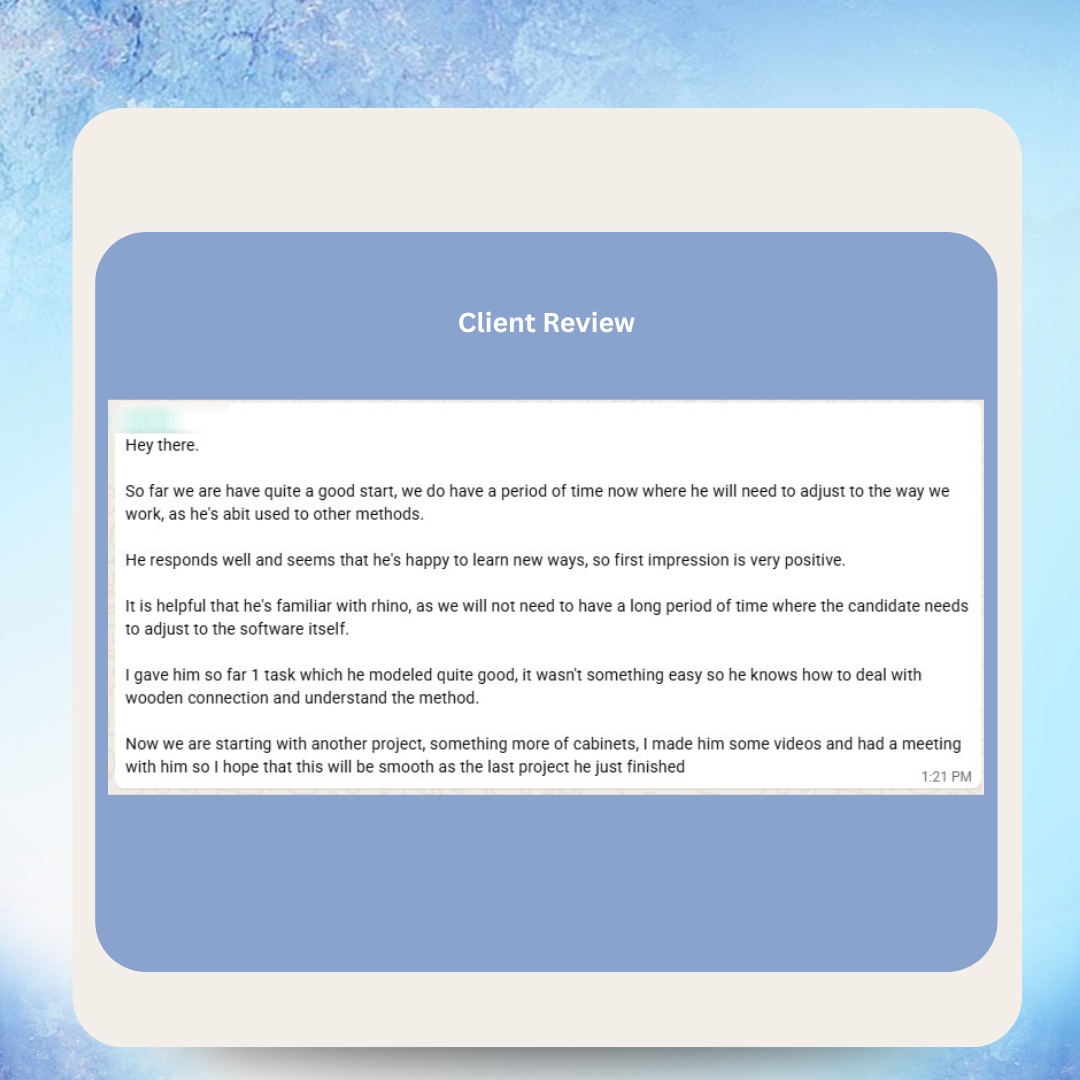
Real Messages from Real Clients


Hear From Our VAs



As Featured In






Frequently Asked Questions
What Amazon store operations can I outsource to a Filipino VA?
You can outsource listing creation and optimization, PPC campaign management, inventory monitoring and reorder management, FBA shipment creation and coordination, customer service and buyer messaging, reimbursement claim filing, review monitoring and management, stranded inventory resolution, storage fee optimization, competitor monitoring, and reporting and analytics. Your VA handles the daily operational workload while you focus on product strategy, supplier relationships, and business growth.
How much does an Amazon operations VA cost through VA Masters?
Amazon operations VAs through VA Masters cost $7 to $13 per hour depending on experience level and skill specialization. A full-time VA costs approximately $14,500 to $27,000 per year all-in — representing up to 80% savings compared to domestic Amazon operations specialists at $55,000-$80,000 per year. No upfront fees, no long-term contracts, and a replacement guarantee.
Can a VA manage my Amazon PPC campaigns?
Yes. Our Amazon operations VAs manage Sponsored Products, Sponsored Brands, and Sponsored Display campaigns — handling daily bid adjustments, search term harvesting, negative keyword management, budget optimization, and performance reporting. For sellers spending $5,000+ per month on Amazon advertising, dedicated VA management typically improves advertising efficiency by 15 to 30 percent.
How do I give my VA access to Seller Central without sharing my password?
Amazon Seller Central allows you to create user accounts with role-based permissions. Set up a dedicated user account for your VA with access to the specific sections they need — Inventory, Advertising, Messaging, FBA, and Reports — while restricting access to Account Settings, Payment Information, and Tax Settings. This provides full operational access with appropriate security.
How quickly can I get an Amazon operations VA?
VA Masters delivers pre-vetted Amazon operations VA candidates within 2 business days. Our 6-stage recruitment process includes Seller Central-specific assessments where candidates demonstrate inventory analysis, PPC optimization, customer service, and FBA logistics competency through practical scenarios.
What if my VA makes a mistake that damages my account?
This is why SOPs, permission controls, and gradual responsibility expansion matter. Start your VA with limited access and lower-risk tasks, expanding their scope as they prove competent. VA Masters pre-vets every candidate with Amazon-specific assessments to minimize this risk. Our replacement guarantee means if the match does not work, we recruit a replacement at no additional cost.
Can one VA handle all my Amazon operations?
For sellers doing under $500,000 in annual revenue with fewer than 100 SKUs, one full-time VA can typically manage listing optimization, PPC, customer service, inventory, and FBA logistics. For larger operations, specialization produces better results — one VA for PPC and listings, another for customer service and inventory operations. VA Masters helps you determine the right team structure based on your operational volume.
Will my VA work during US business hours?
Yes. Filipino VAs are known for their flexibility with international time zones. Most of our Amazon operations VAs work US business hours so they are available when customer inquiries arrive, PPC optimization needs attention, and operational issues require resolution. We match candidates to your preferred schedule during recruitment.
How do I train my VA on my specific products and brand?
Start with a structured onboarding process: share your brand guidelines, product knowledge base, existing SOPs, and account access. Use screen recordings to walk through your specific Seller Central workflows. Dedicate the first two weeks to guided task execution where you review their work before it goes live. Most Amazon operations VAs reach full productivity within 3-4 weeks with proper onboarding.
Is there a trial period or long-term contract?
There are no long-term contracts and no upfront placement fees. You can start with a trial period to evaluate your VA's performance within your actual Amazon operations. VA Masters provides a replacement guarantee — if the match does not work, we recruit a replacement at no additional cost. You pay only your VA's hourly rate with no hidden fees.
Ready to Get Started?
Join 500+ businesses who trust VA Masters with their teams.
- No upfront payment required
- No setup fees
- Only pay when you are 100% satisfied with your VA

Anne is the Operations Manager at VA MASTERS, a boutique recruitment agency specializing in Filipino virtual assistants for global businesses. She leads the end-to-end recruitment process — from custom job briefs and skills testing to candidate delivery and ongoing VA management — and has personally overseen the placement of 1,000+ virtual assistants across industries including e-commerce, real estate, healthcare, fintech, digital marketing, and legal services.
With deep expertise in Philippine work culture, remote team integration, and business process optimization, Anne helps clients achieve up to 80% cost savings compared to local hiring while maintaining top-tier quality and performance.
Email: [email protected]
Telephone: +13127660301